Looking for a peaceful Swiss hike with wildflowers, ibex, and sweeping views, but without battling tour bus crowds? Chäserrugg, a lesser-known peak in eastern Switzerland’s Churfirsten range above Lake Walen, might just be the hidden gem you’re craving.
As a child, I used to come to this region with my parents or on school camps, but somewhere along the way, I forgot about it – until I rediscovered it this summer on a sunny Sunday. The highlight of my hike? Watching a group of ibexes near the trail, a moment that reminded me how beautiful and special this mountain is.
In this post, I’ll take you along on a circular hike across the Rosenboden plateau, show you how to reach it easily by public transport (no car needed), what the cable car ticket costs, and my best insider tips from spotting wildlife to enjoying a sweet treat at the summit restaurant.
How to Get to Chäserrugg (without a car!)
As you might know by now, I don’t own a car. My adventures are stitched together by trains, buses, and the occasional cable car.
You have two options to get to Chäserrugg from Zurich:
- Route 1: Take the train to Buchs SG, then a bus to Wildhaus, and finally a bright yellow double-decker Postbus that drops you right in front of the Chäserrugg funicular station in Unterwasser.
- Route 2: Take a train to Rapperswil, continue to Wattwil, and hop on bus 790 to Unterwasser-Chäserrugg Bahn.
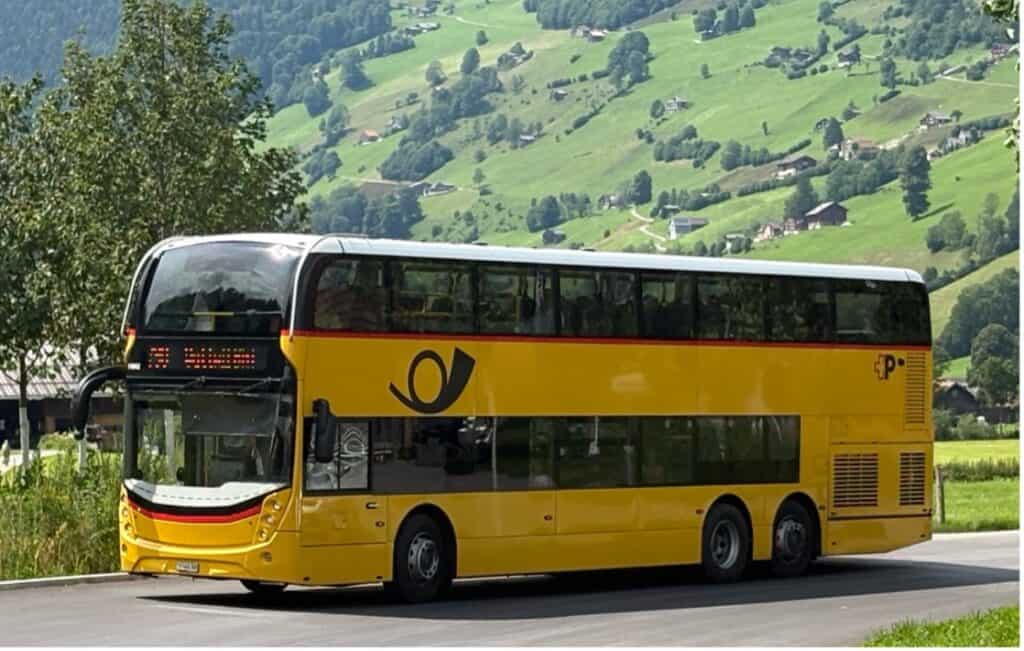
My advice? Do one route going and the other on your way back. The scenery changes, and the bus ride is postcard-worthy.
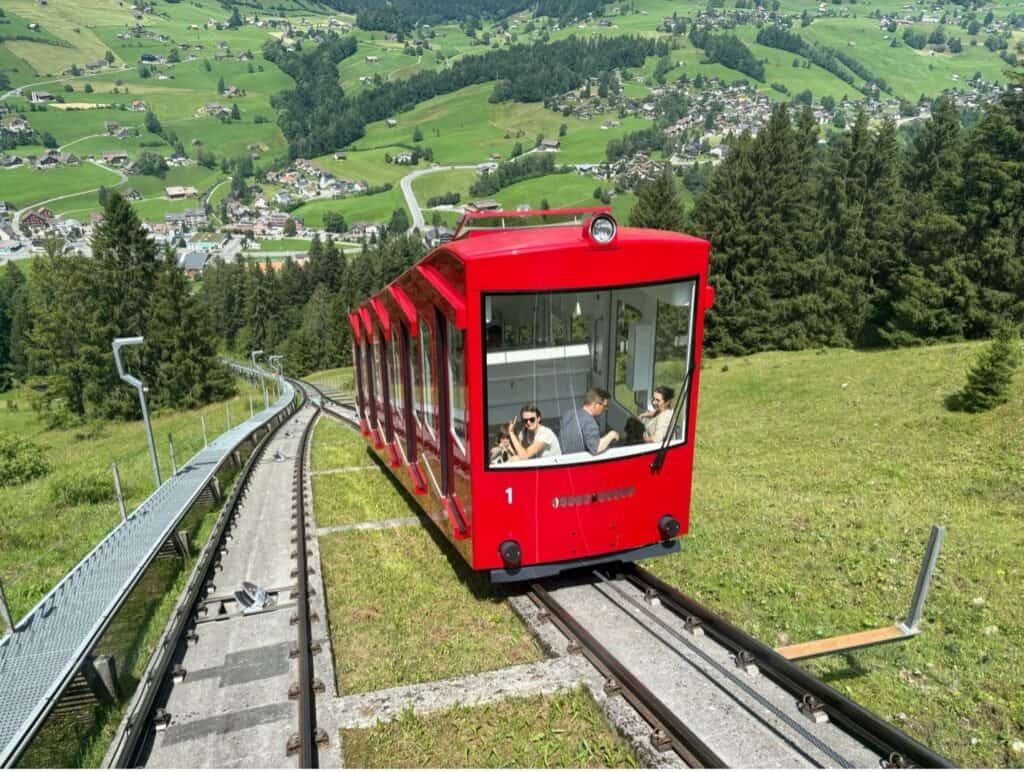
From Unterwasser, it’s an easy two-step cable car ride. First you go by funicular up to Iltios.
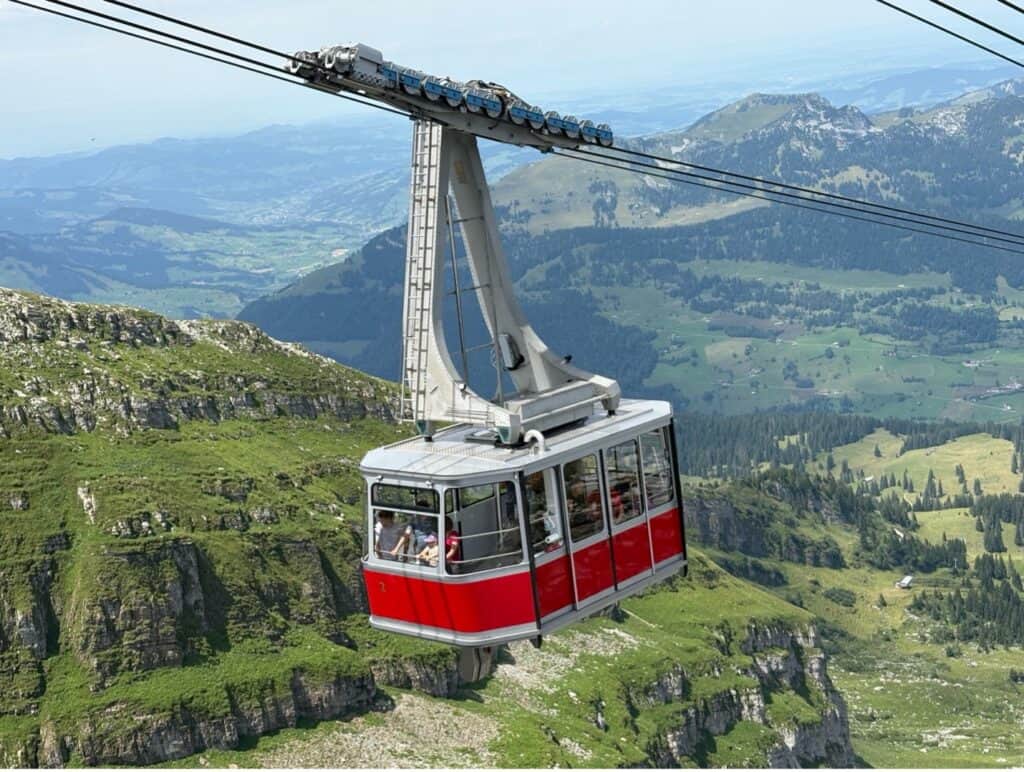
At the middle station you change onto the cable car that lifts you gracefully to the summit at 2,262 meters above sea level.
First Impressions: The Summit That Stole My Breath
I arrived on a sunny July morning, expecting crowds (it was a Saturday in school holidays, after all). To my delight, it wasn’t busy at all. The spacious gondola could have fit many more hikers, but instead, it felt like everyone had enough breathing room.
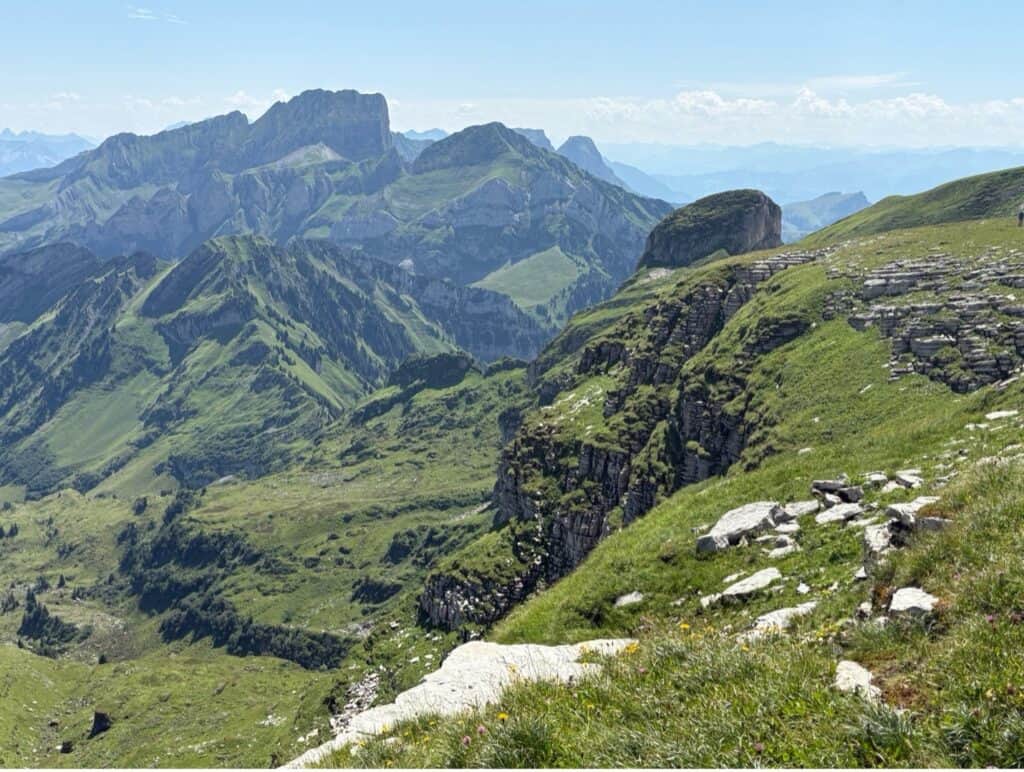
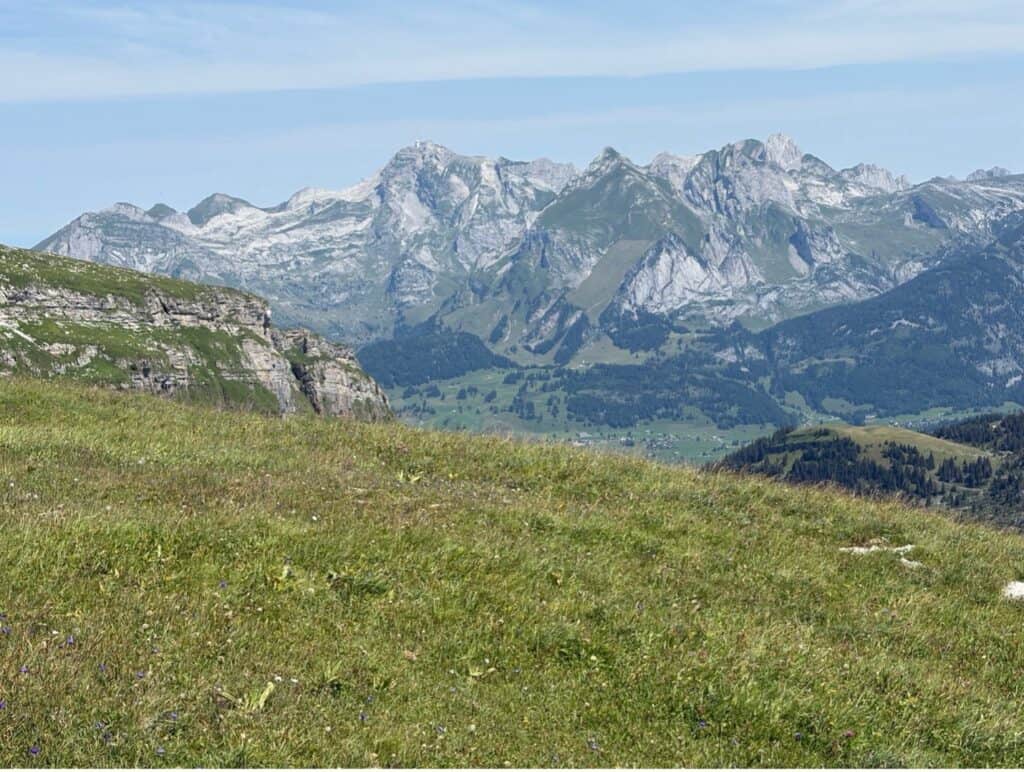
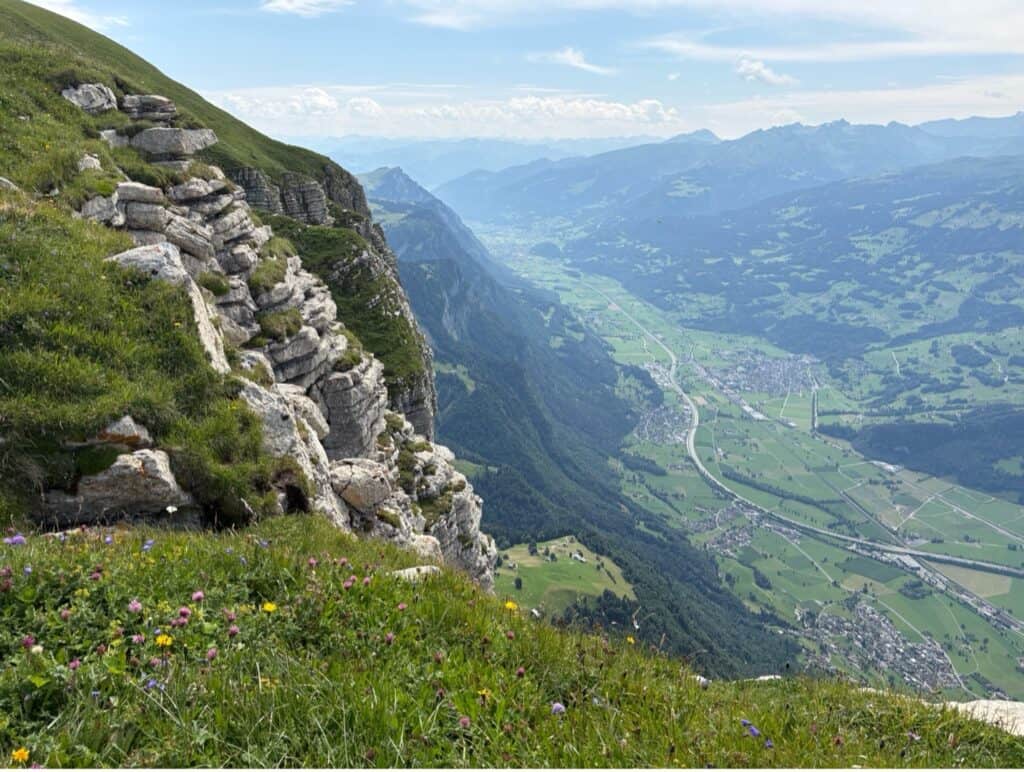
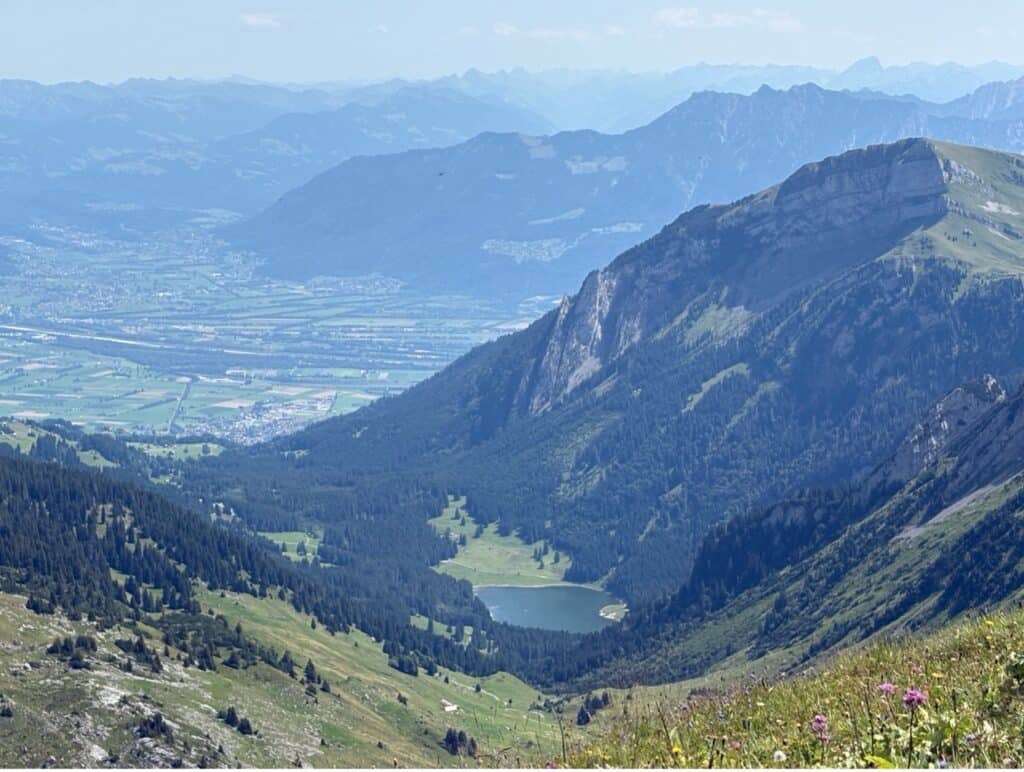
And then — that moment. Stepping out at the summit. My jaw dropped. The views here are almost surreal: peaks stretching into the distance, valleys carved like stories, and if the skies are clear, a glimpse into six countries all at once. It’s one of those panoramas that makes you pause, forget time, and whisper a little “wow” under your breath.
The Rosenboden Loop: A Walk Among Flowers and Clouds
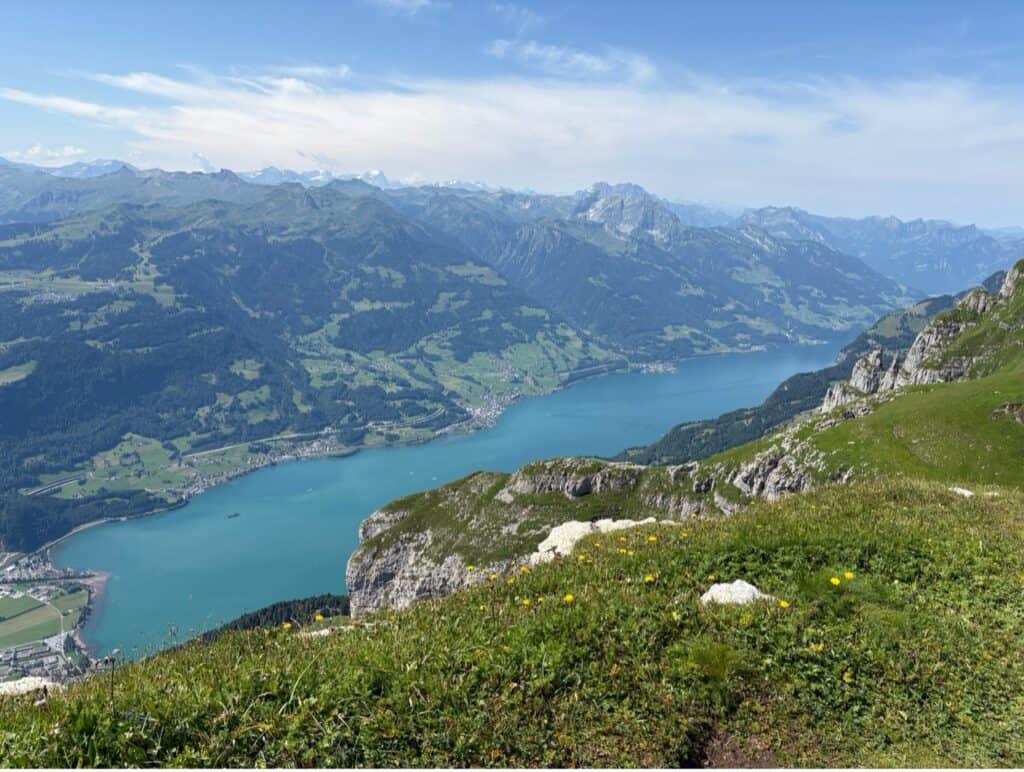
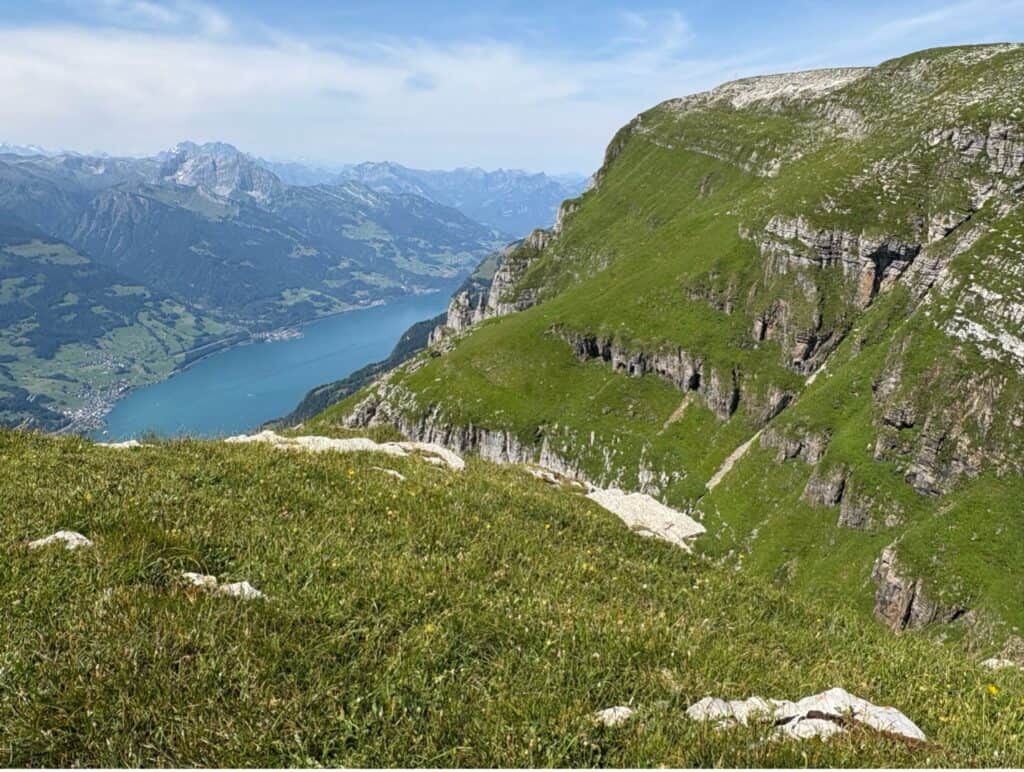
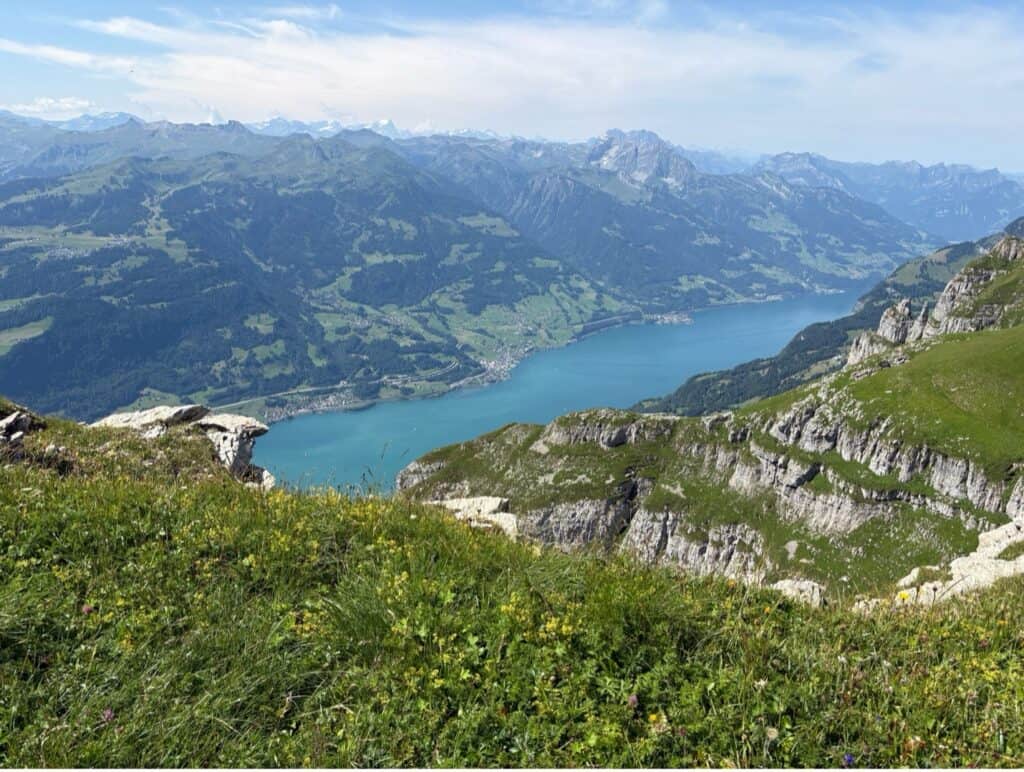
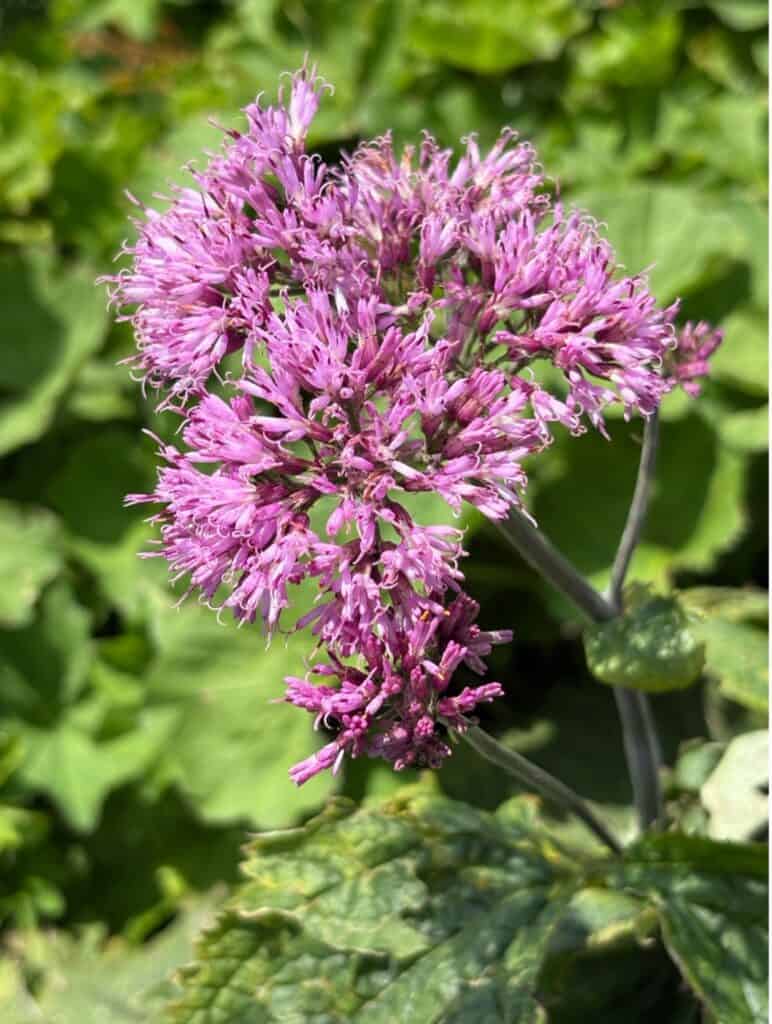
I chose to walk the Rosenboden circuit combined with the Alpine Floral Trail — a gentle 3-kilometer loop that officially takes about 45 minutes. But let’s be honest: I took much longer. How could I not? Wild alpine flowers bloomed right at my feet, benches appeared exactly when I felt like pausing, Lake Walen shimmered in the deepest, most impossible blue, and at every turn, the silhouettes of what felt like endless mountain peaks — more than 500 of them — rose into view.
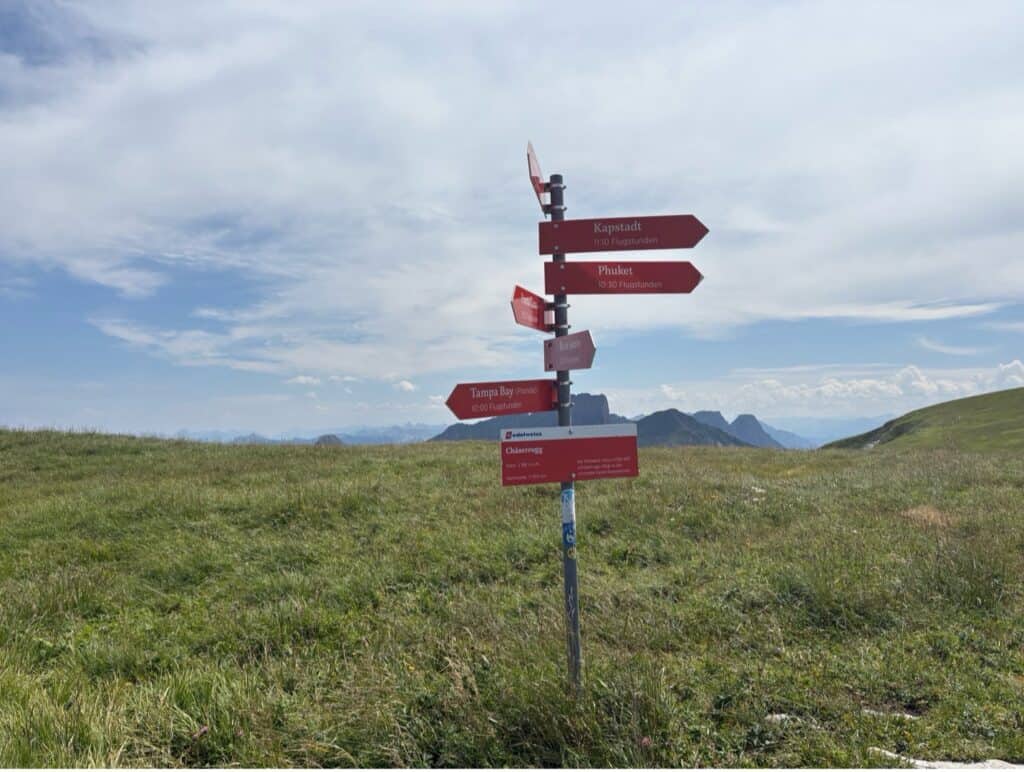
Along the way, you’ll pass the Edelweiss “airline” bench — shaped like airplane seats and perched in the middle of the alpine plateau, offering splendid panoramic views. Beside it, red signposts point out the distances to popular destinations around the world.
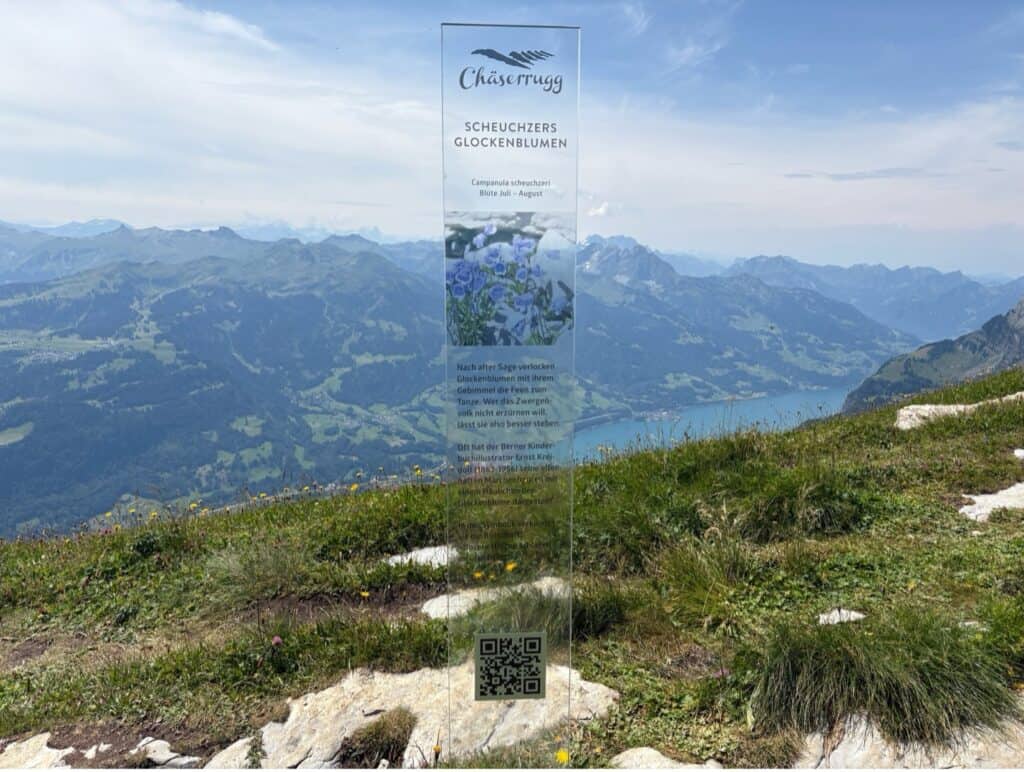
While walking, I kept stopping to read the information boards scattered along the trail. They explain which plants grow here, but also dive deeper — into their traditional medicinal uses and their roles in ancient myths and folklore. It added another layer to the hike, turning each step into a quiet lesson in how deeply connected people once were to this landscape. I loved that.
And then came a moment I’ll carry with me for a long time.
A fellow hiker leaned in and quietly shared a tip about where to look for Alpine ibex. On the rocky slopes and scree fields of the eastern side of the mountain, he said, I might get lucky. So I waited. Still. Patient. Binoculars ready.
And suddenly… there they were.
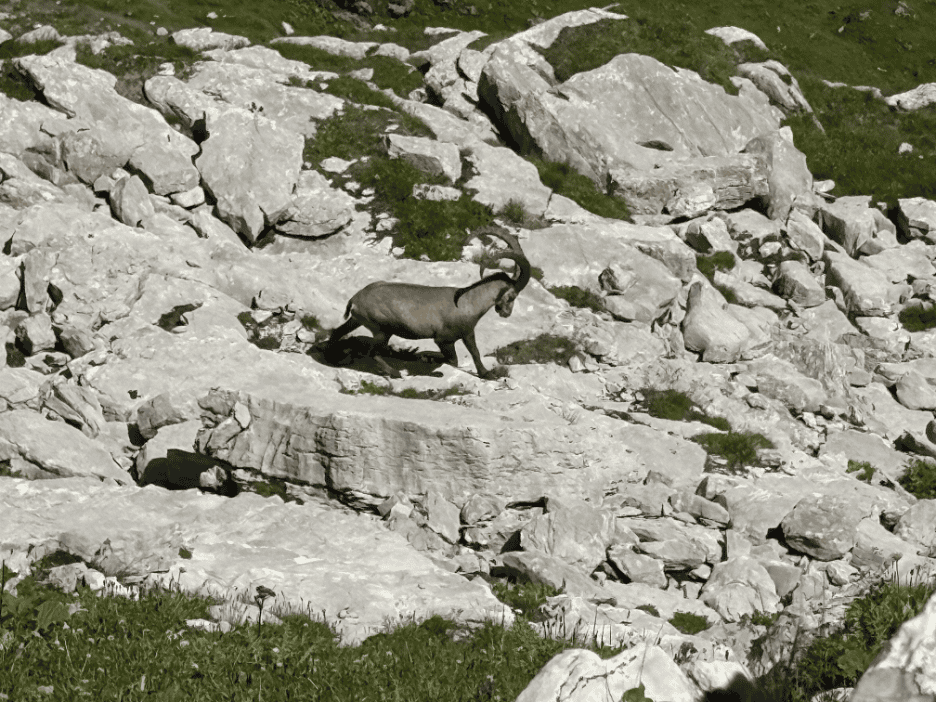
Majestic and perfectly at home, their curved horns catching the light as they blended almost seamlessly into the rocks. I sat there for ages, just watching. No rush. No checklist. No need to move on. It felt like a gift — the kind you don’t ask for and can’t plan.
And if fortune really smiles on you, this isn’t the only wildlife you might encounter. Marmots sometimes whistle from nearby burrows, and nimble chamois move quietly across the slopes. Up here, the mountain decides what it wants to show you — and when.
Architecture & A Sweet Treat at the Summit
At the top of Chäserrugg, you’ll find the striking Gipfelrestaurant Chäserrugg, designed by the world-renowned Swiss architects Herzog & de Meuron. Even though the building is large and modern, it somehow feels light and airy, perfectly blending into the surrounding landscape. Inside, you’ll find both the mountain cable car station and the restaurant itself, where visitors are treated to culinary delights with stunning views of the Churfirsten mountains and the Alpstein in Toggenburg.
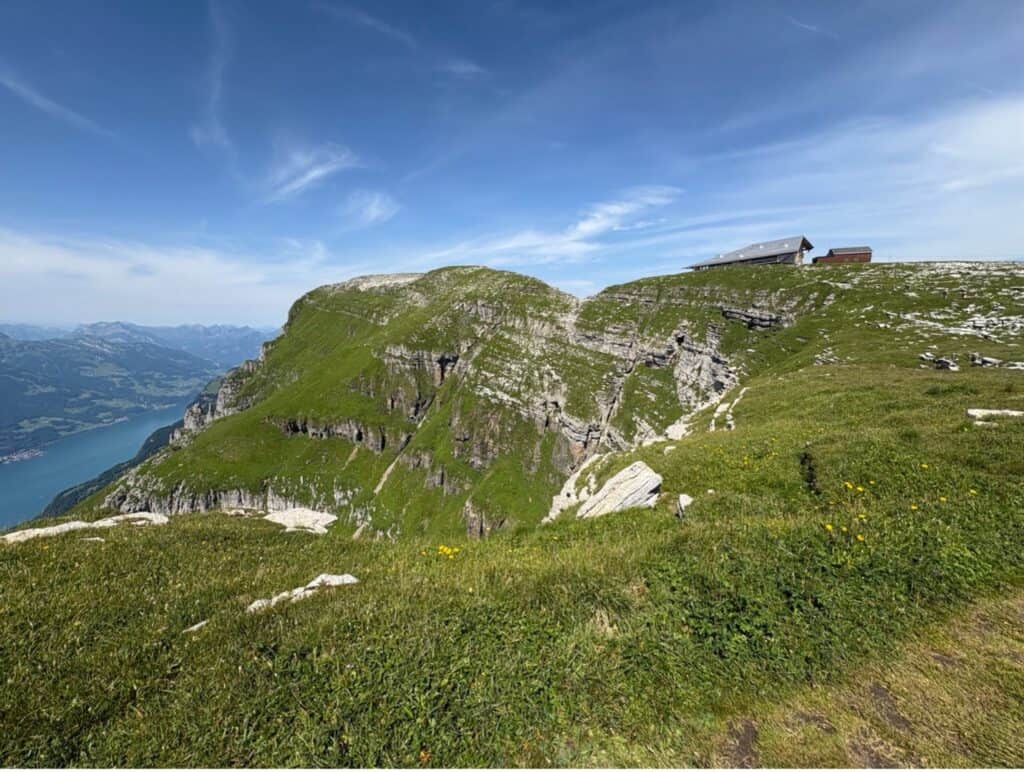
I had packed a picnic for the hike, but once I reached the summit, I couldn’t resist a little indulgence — I treated myself to a Toggenburg Schlorzifladen, a sweet regional specialty filled with pear and cream.
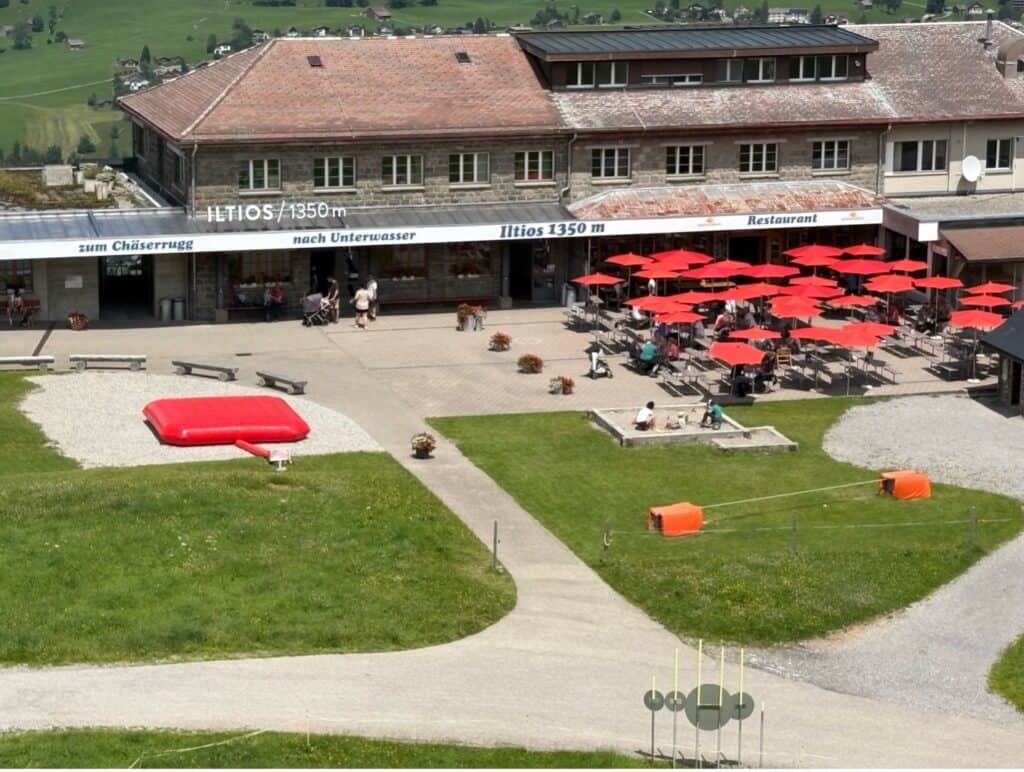
There’s also a lovely stop at the middle station, the Bergrestaurant Iltios, which has a sunny terrace and a playground for kids.
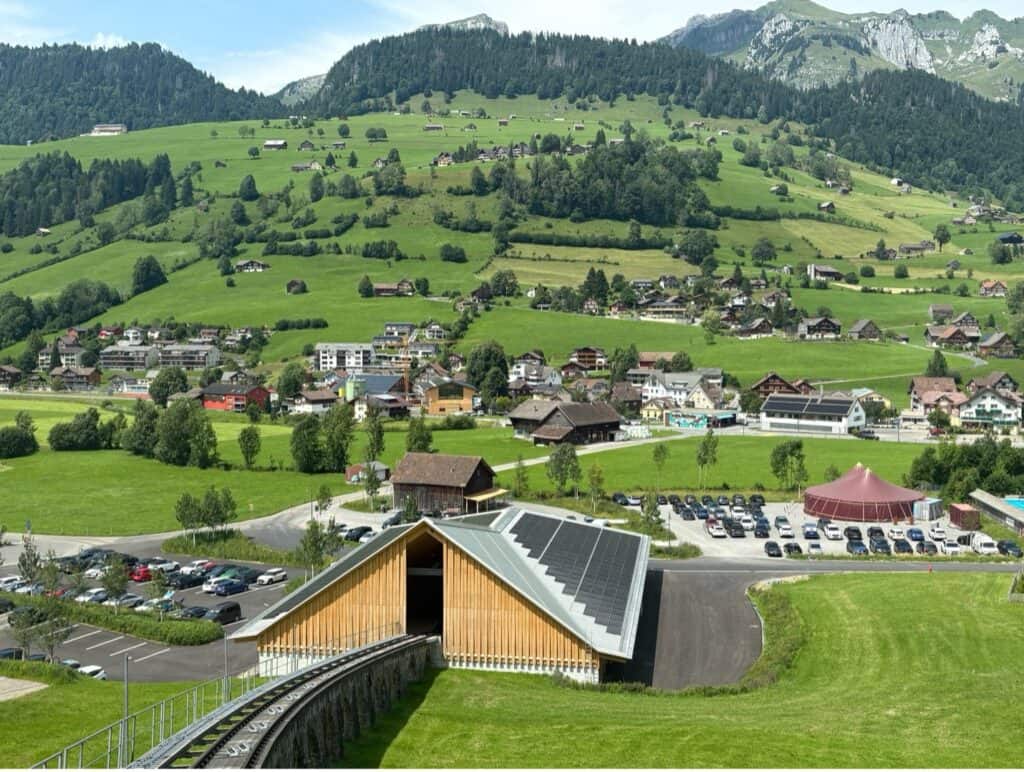
And if you’re starting from the base, the Café-Bar Bahnhof Unterwasser is a cozy spot to grab a coffee or snack.
How Much Does It Cost to Visit Chäserrugg?
Last time I checked a regular return ticket cost CHF 62. If you have a GA, half-fare card, or Swiss Travel Pass, you pay CHF 31. Kids aged 6 to 15 pay CHF 31, and children under 6 ride for free. For current prices, I suggest you visit the Chäserrugg website.
Reflections: Why Chäserrugg Is Worth Your Time
Visiting Chäserrugg made me feel grounded, calm, and utterly grateful. Unlike some other Swiss mountain peaks, Chäserrugg offers something increasingly rare in Switzerland: vast alpine views without the overwhelm of people. Here, there’s space to breathe, wander slowly, and truly be in the mountains.
If you’re someone who craves peace over noise, authenticity over spectacle, and soul-filling views over ticking off Instagram checklists, then this easy hike in Switzerland is for you. Walk across the Rosenboden Plateau, sit with the silence, watch the ibex move effortlessly across the slopes, and let the alpine flowers remind you of life’s simple beauty.
Sometimes, the best discoveries aren’t faraway places. They’re the hidden corners of Switzerland off the beaten tourist path — quietly waiting for us to return.
If Chäserrugg resonated with you, you might also enjoy exploring other peaceful gems nearby, like the emerald waters of Voralpsee, the spectacular Säntis mountain or the dramatic Seerenbach Falls at Lake Walen, both perfect additions to a slow, nature-focused Swiss itinerary.
Tip: Bring binoculars for wildlife spotting, your Swiss Travel Pass or half-fare card for the cable car discount, and most importantly, an open heart. The mountains always give back more than they take.