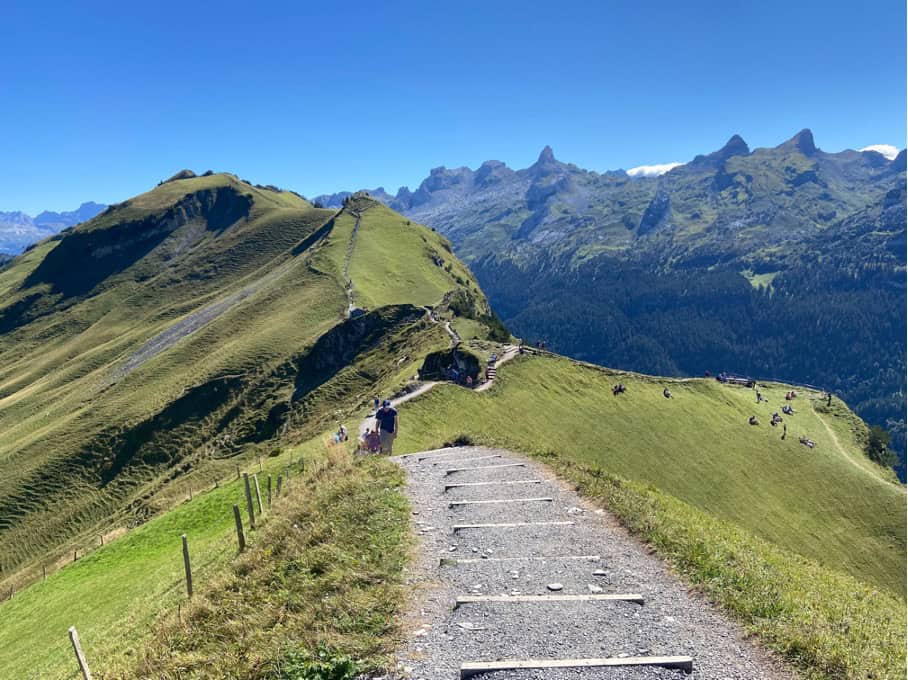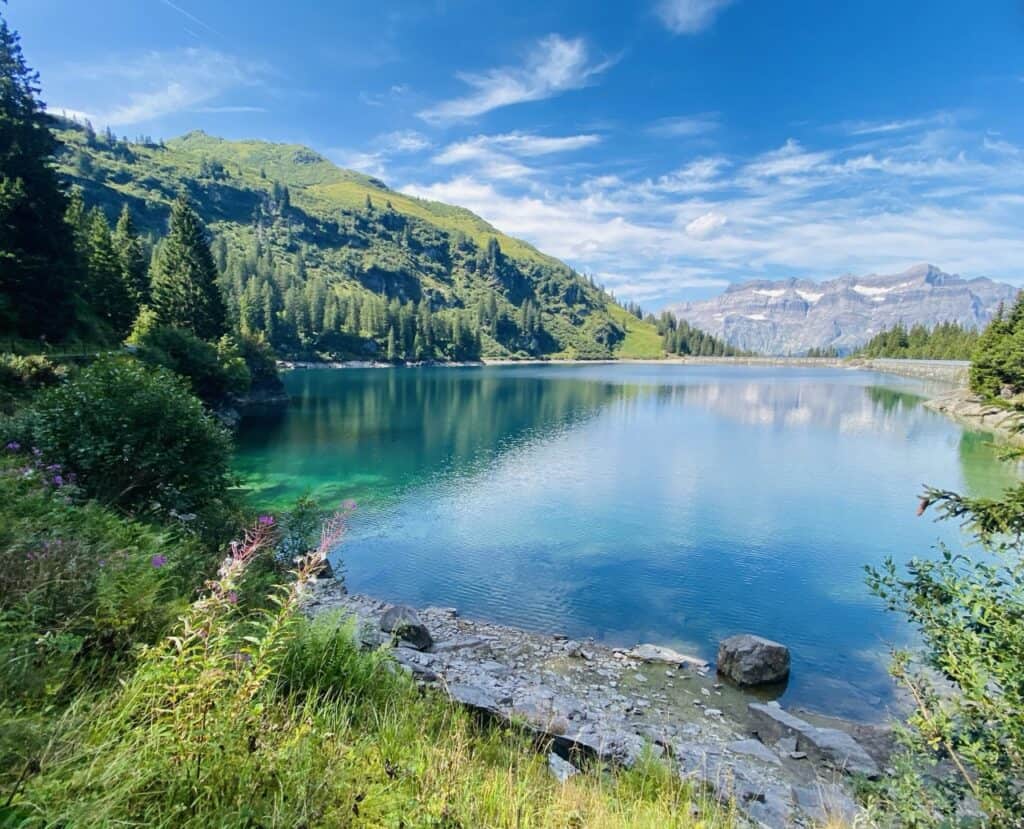
Looking for an off-the-beaten-path adventure in Switzerland—one that combines nature, history, and even a bit of wellness? Let me introduce you to Taminaschlucht (Tamina Gorge), a breathtaking river gorge near Bad Ragaz that’s perfect for a day trip from Zurich. Whether you’re up for a scenic hike, curious about centuries-old thermal baths, or simply craving some peaceful time in nature, this place has it all.
I visited Tamina Gorge last spring, and I absolutely loved it. So, come along as I take you through my latest visit—where to go, what to do, and why this hidden gem is absolutely worth your time.
Getting There from Bad Ragaz: Hike or Bus? You Choose!
First things first: getting to Tamina Gorge. You’ve got the following options:
By Foot
My personal favorite! You can hike from Bad Ragaz along a quiet, car-free path next to the river. It’s about an hour of easy walking with stunning views, little waterfalls, and even a few picnic spots along the way. A perfect way to warm up before exploring the gorge itself.
By Bus
If hiking isn’t your thing, Bus 453 (Schluchtenbus) will take you straight to the entrance. You can catch it at Bad Ragaz train station or from the Töbelbrücke bus stop at the edge of town. Just a heads-up: this route requires a special ticket—CHF 6 one-way or CHF 11 return for adults, and CHF 4 one-way or CHF 6 return for kids. The bus runs hourly—except around midday—and takes just 15 minutes from Bad Ragaz train station to Altes Bad Pfäfers.
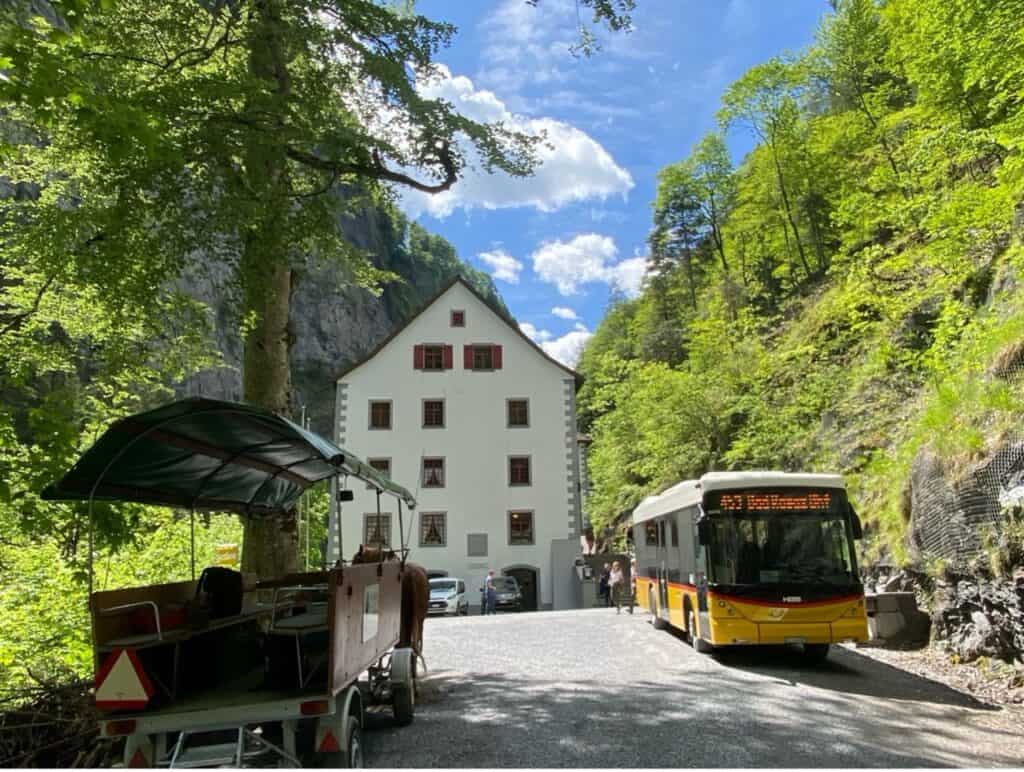
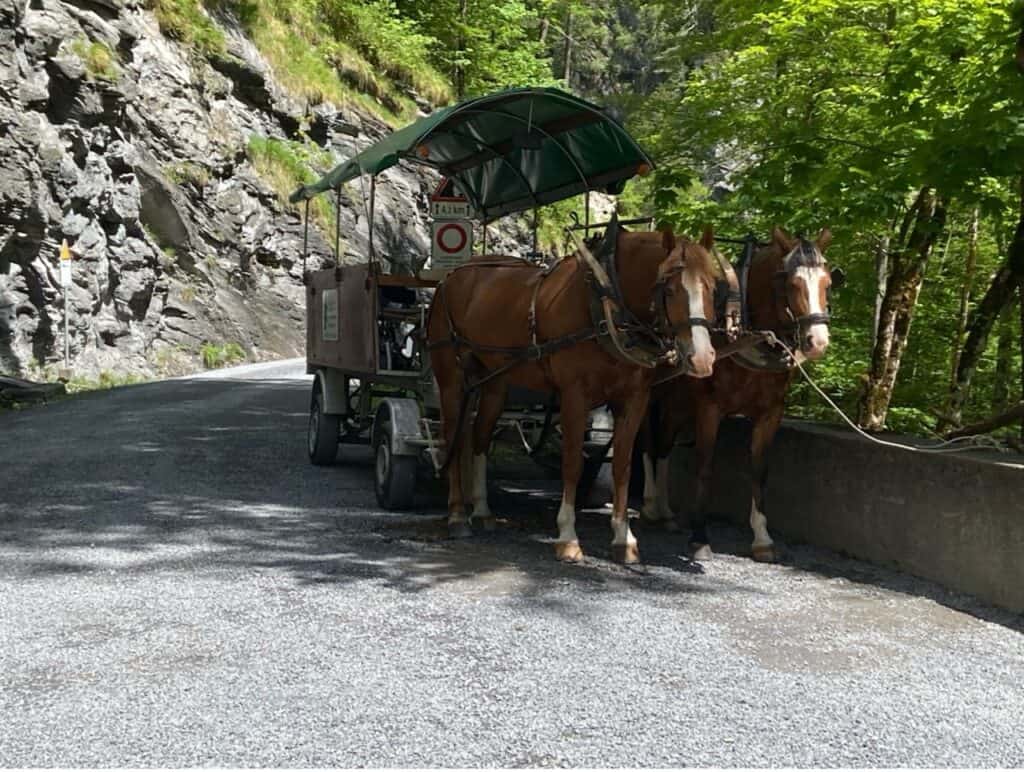
By Horse and Carriage
A pricier option, but definitely a unique experience! Check here for more details.
A Bit of History: Hot Springs and Blindfolded Visitors
Now, let’s rewind to 1240. Picture this: two hunters from Pfäfers Abbey stumble upon a hot spring deep inside the gorge. They realize the waters have healing properties, and word spreads.
By the 1300s, people were lowered into the gorge in baskets, blindfolded—because apparently, looking down was too terrifying. Eventually, wooden bathhouses were built directly over the roaring river, creating one of the earliest spa destinations in Europe.
Luckily, no blindfolds are needed today—just a ticket and a sense of adventure!
Walking Through the Gorge: A Journey into the Depths
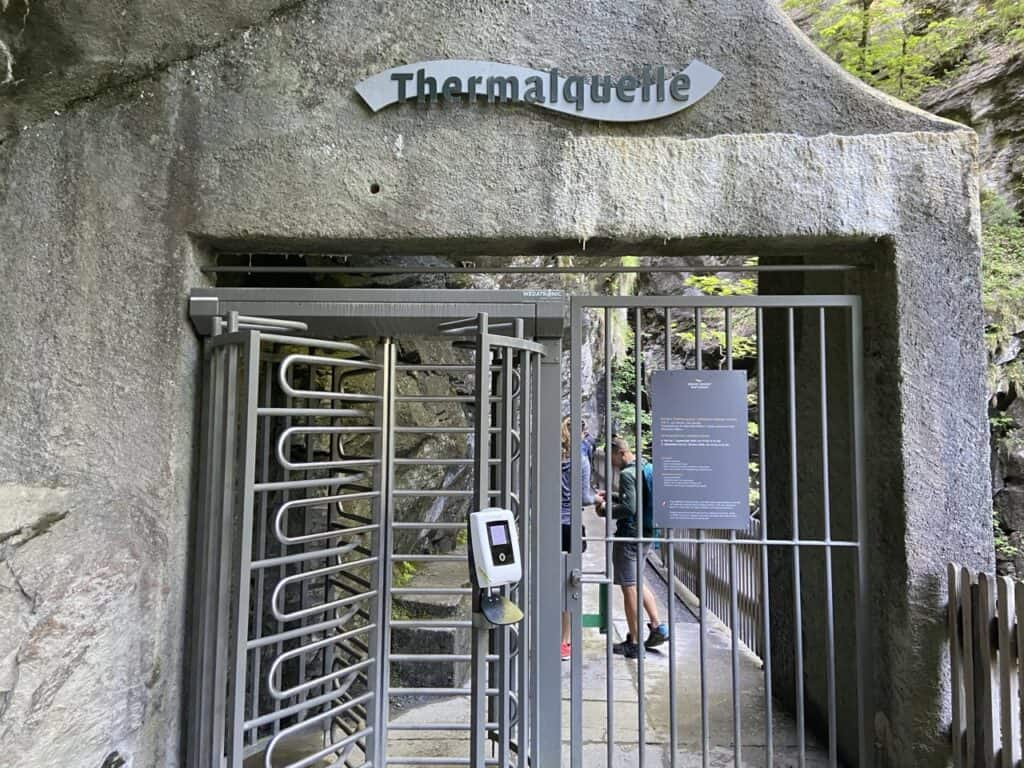
To get to the gorge, just follow the path by the museum and head upstream. You’ll cross a little bridge, and right after that, you’ll spot the narrow turnstile entrance. But before you go, make sure you bought your gorge entrance ticket inside the Altes Bad Pfäfers museum. The ticket machine takes both cash and cards, so it’s super easy.
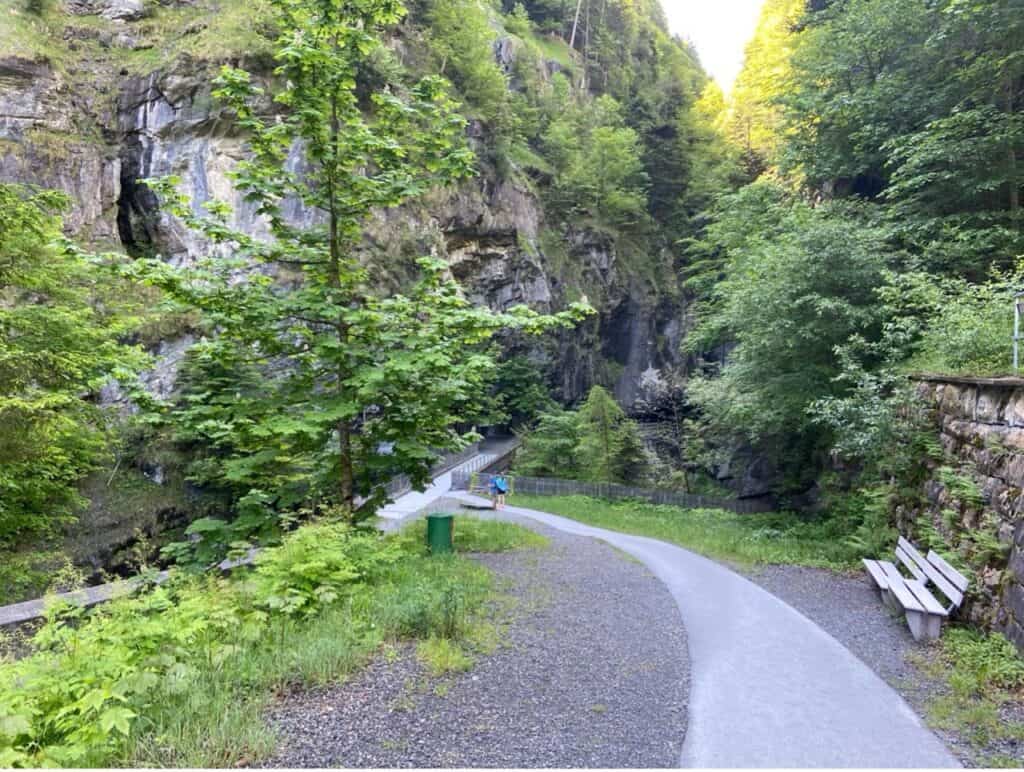
As you enter the gorge, you’ll notice how cool and refreshing the air feels.
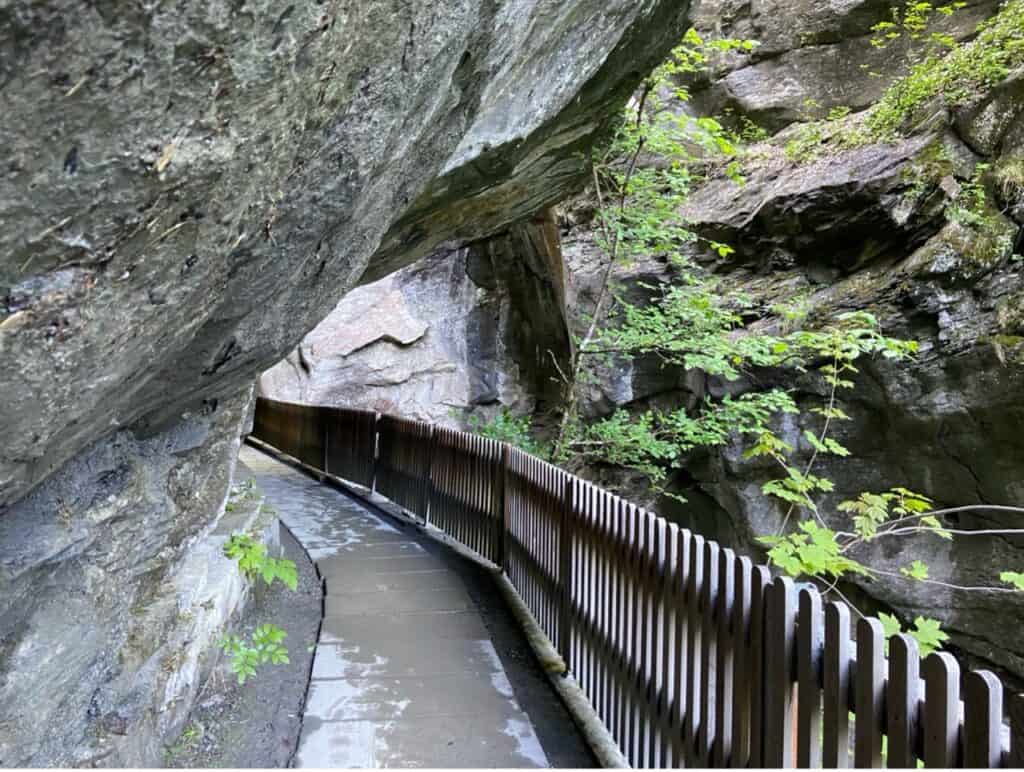
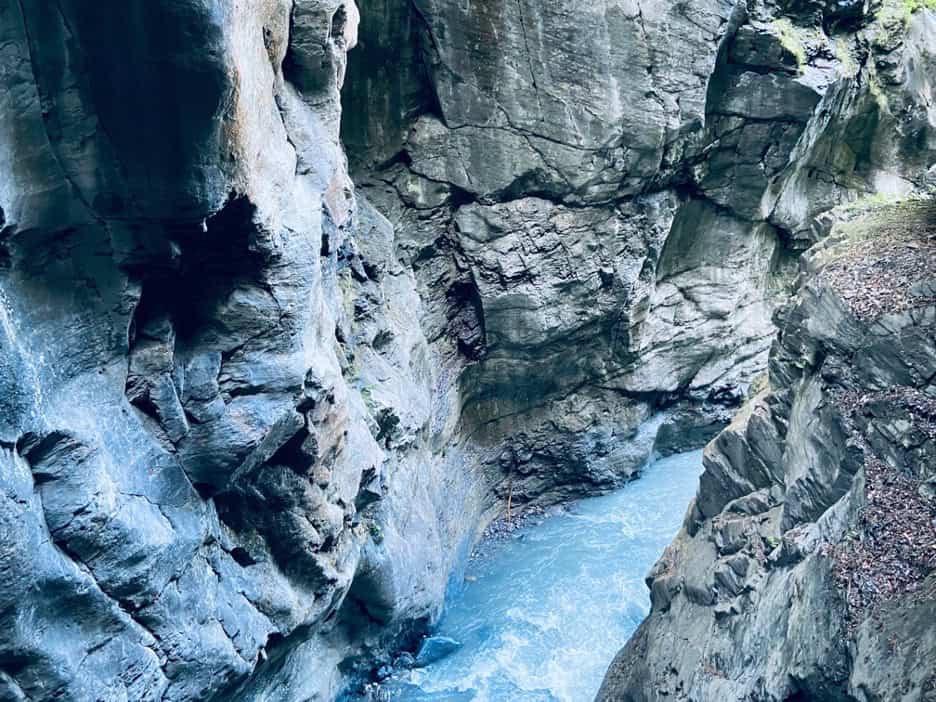
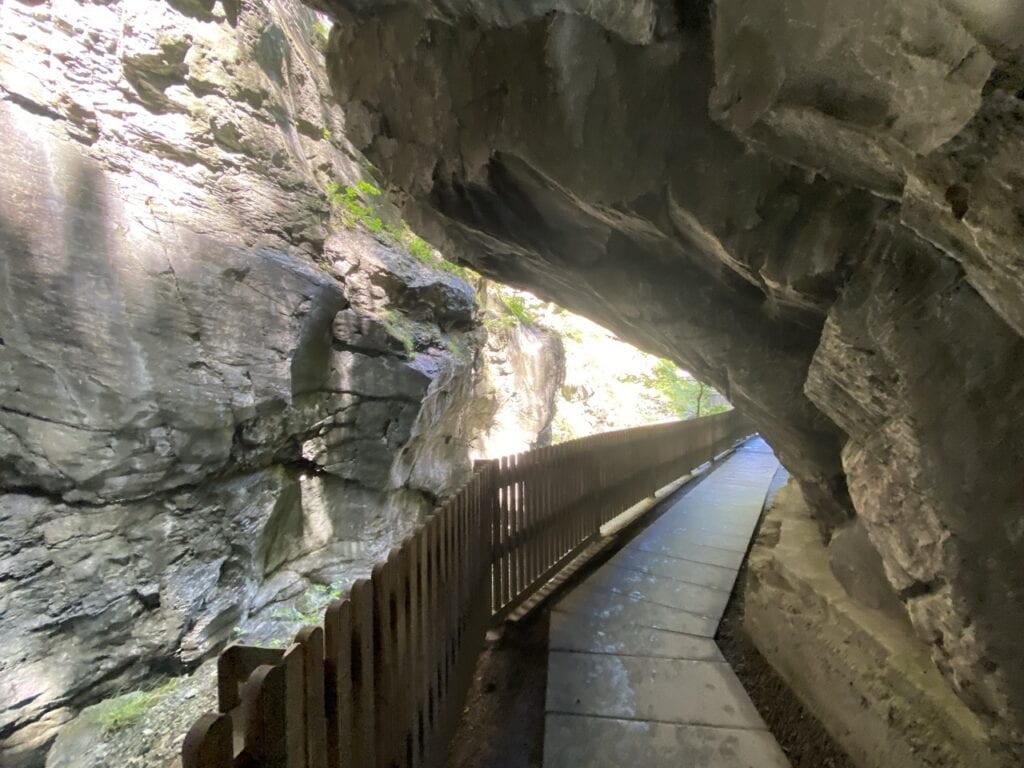
The gorge trail clings to the eastern rock face. A sturdy railing provides both safety and a bit of distance from the wild, rushing Tamina River below. Along the way, info boards in both German and English explain how the gorge was formed over millions of years—definitely worth a read!
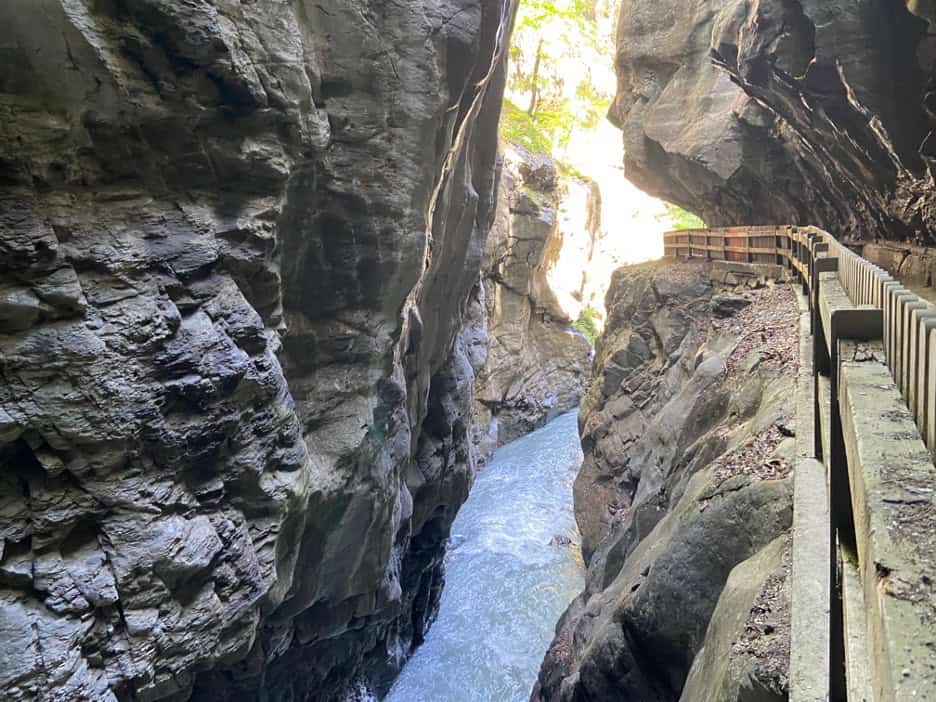
The Highlight: The Hot Springs
Toward the end of the gorge, you’ll walk through a tunnel where the air suddenly becomes warm and humid—that’s because you’re getting close to the thermal spring.
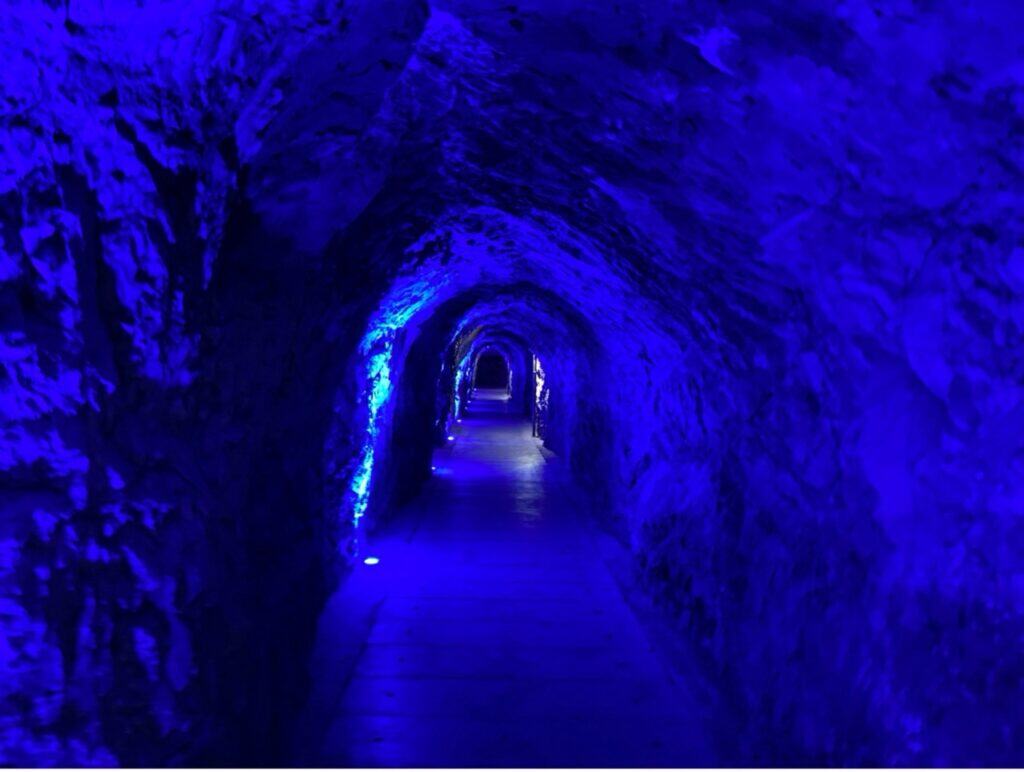
The origin of the thermal water remains a mystery. Scientists believe it seeps into the ground somewhere in the Tödi or Sardona region, where it’s slowly heated deep below the surface. After about ten years underground, it resurfaces through narrow rock fissures in the Tamina Gorge. Every single day, around 7 to 10 million liters of 36°C (97°F) water bubbles up—an impressive natural wonder.
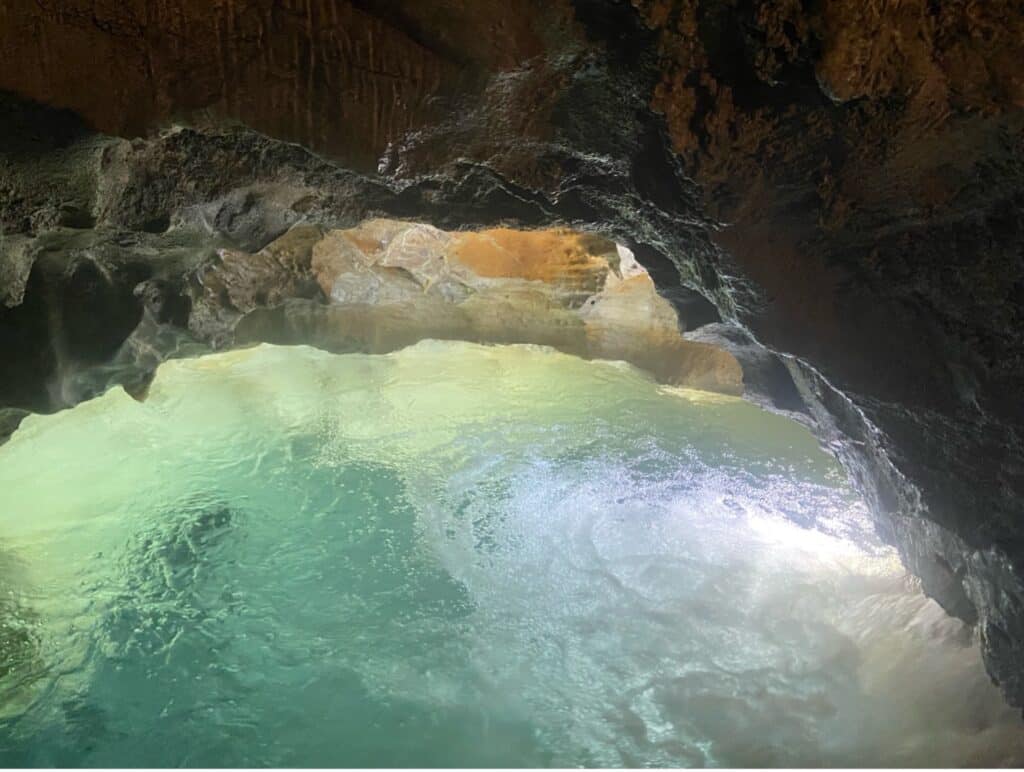
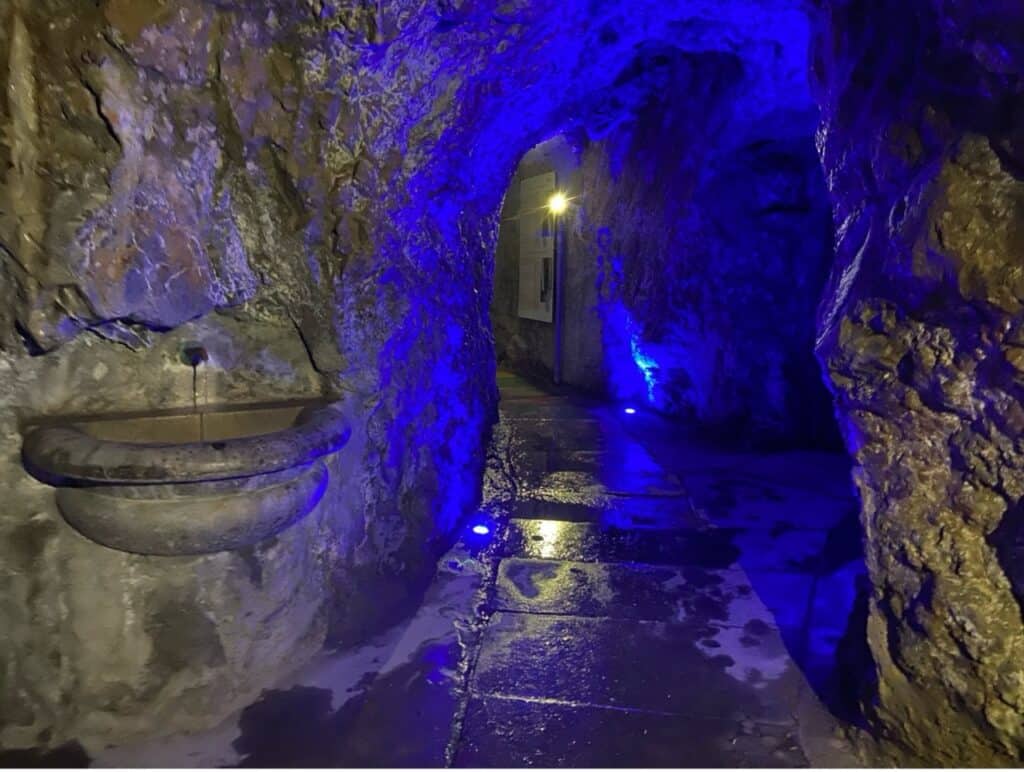
You can’t take a dip here (the springs are behind glass), but there’s a fountain where you can feel the warm water and even fill up your bottle. And if soaking in the healing waters sounds appealing, don’t worry—I’ll get to that later!
Exploring the Bath Museum
After leaving the gorge, take a little time to check out the Bath Museum inside the Altes Bad Pfäfers. It’s a really interesting place that brings the history of spa culture to life. As I mentioned earlier, in the early days, people really did bathe right by the spring—tucked into rocky hollows or wooden tubs in the middle of the dark, narrow gorge.
Things got a lot more sophisticated in the 16th Century when new bathhouses were built and the famous physician and naturalist Paracelsus gave the waters his stamp of approval. That turned Pfäfers into a hot spot across Europe. Today, there’s even a small memorial dedicated to Paracelsus inside the museum, where you can dive into his life and learn more about his work at Altes Bad Pfäfers.
The last spa season in Altes Bad Pfäfers wrapped up in 1969, and since then, the wellness scene has shifted over to nearby Bad Ragaz and the Valens Clinic.
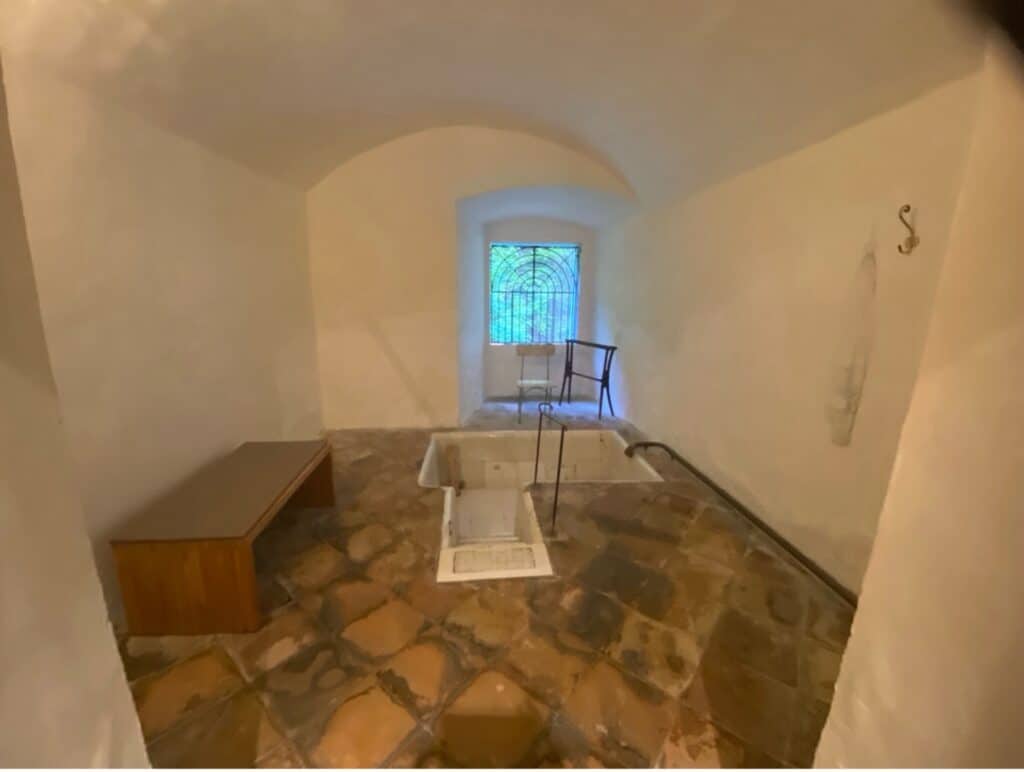
Believe it or not, two of the original bathtub rooms at Altes Bad Pfäfers are still intact—and they can be visited. Back in the day, there were eight of these private bath rooms in the front guesthouse, and they were in use right up until the spa’s final season in 1969. At the time, they were pretty high-tech: the tubs were lined with glossy ceramic tiles and even had ribbed plates at the entrance for better grip—pretty fancy for the era! Most baths were taken solo or with two to three close companions (yes, spa days were a social thing too).
Did you know that up until the late 1700s, people would soak for up to 10 hours a day? But why? Because medieval belief held that illness left the body through softened skin, so the longer the soak, the better. By the 19th century, that idea was finally retired, and spa treatments became more varied. A typical “cure” then lasted three to four weeks and included a mix of therapies—not just marathon baths.
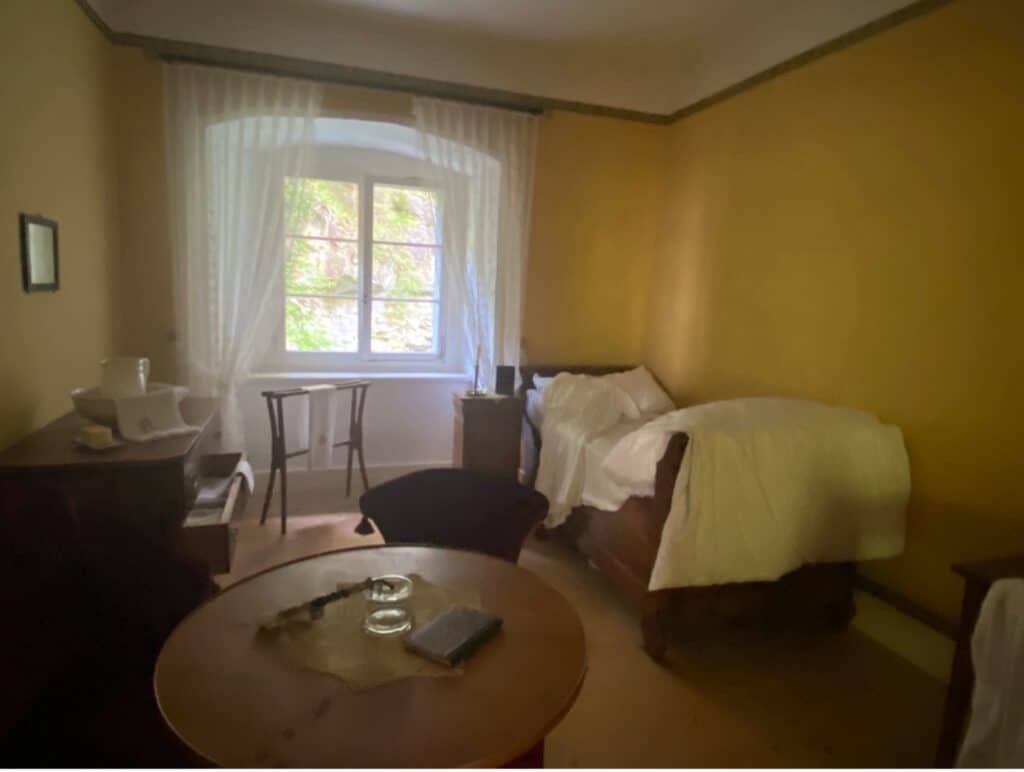
Altes Bad Pfäfers wasn’t just any spa—it had some seriously star-studded guests. Among its most famous visitors were a young Johanna Heusser, who would later become Johanna Spyri, the beloved creator of Heidi. The American author James Fenimore Cooper also passed through, as did German philosopher Friedrich Wilhelm von Schelling and French literary legend Victor Hugo. Pretty impressive guest list, right? After a long soak, all these visitors retreated to their spa rooms—where they’d lie down and let the healing waters “do their thing,” locking in all those supposed benefits while recovering from the, well… effort of bathing.
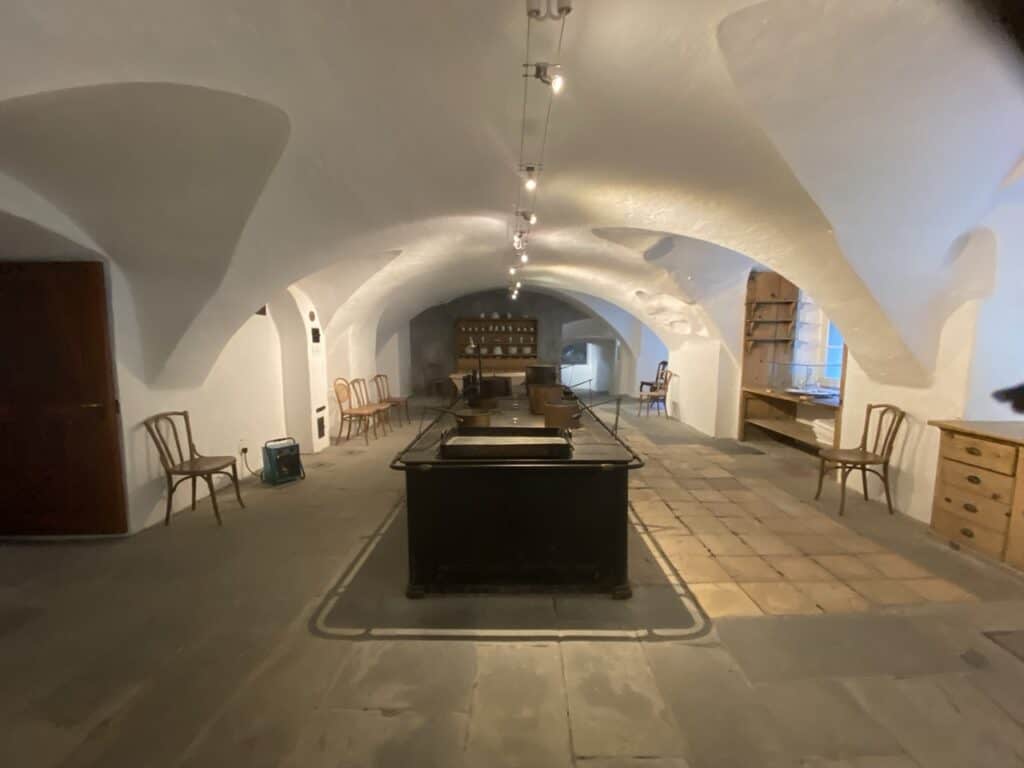
And if you’re into old kitchens, don’t skip the Alte Küche. Back in its heyday, it served up meals for two to three hundred guests at a time. You can still see the original copper pots and pans, and the massive stove equipped with ovens for drying, baking, and even ironing. A wooden water trough was hooked up directly to the spring, and the kitchen windows opened up to a jaw-dropping view of the sheer rock face towering above the Tamina River. Cooking with a view—quite literally.
Hiking back to Bad Ragaz
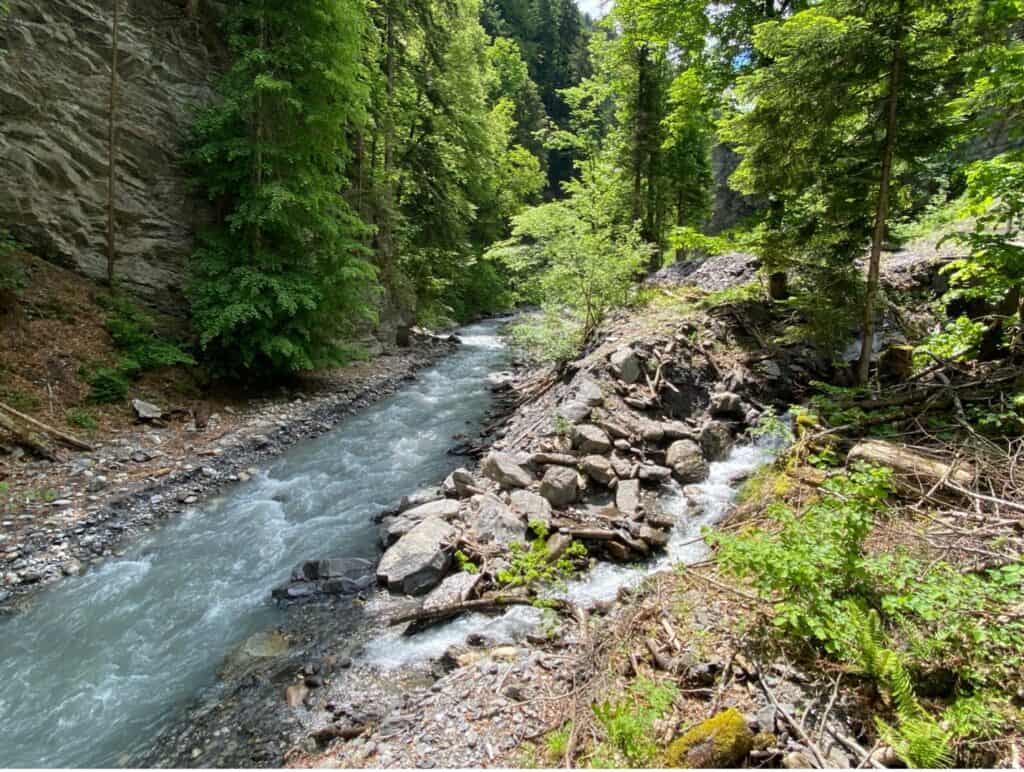
Once you’re done exploring, you’ve got a choice: take the bus back or hike down. I always opt for the hike. It’s an easy, peaceful downhill walk with plenty of spots to stop, sit, and soak in the scenery.
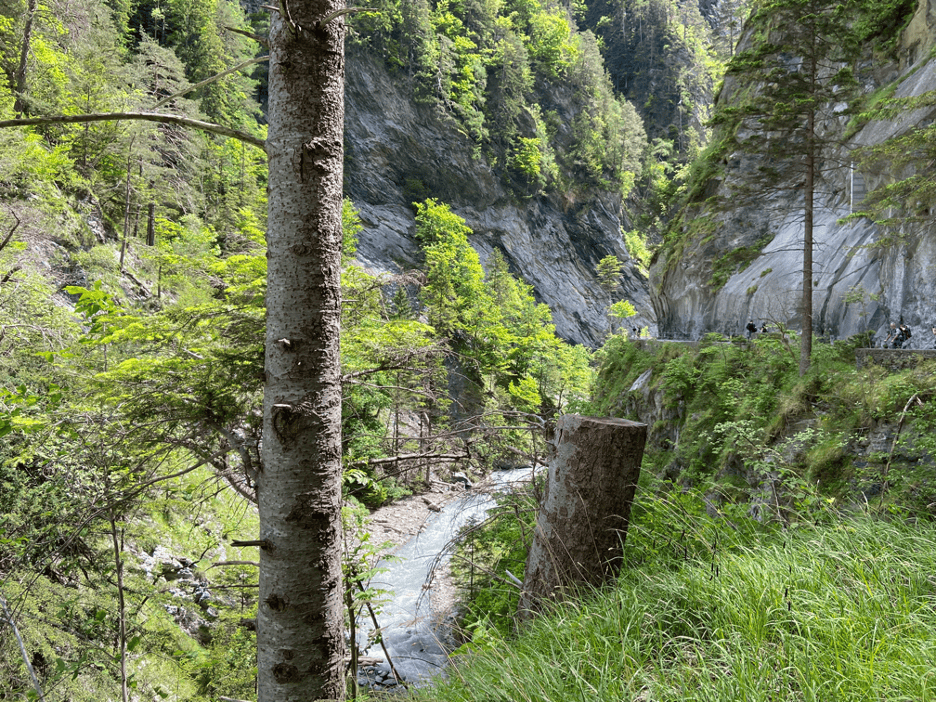
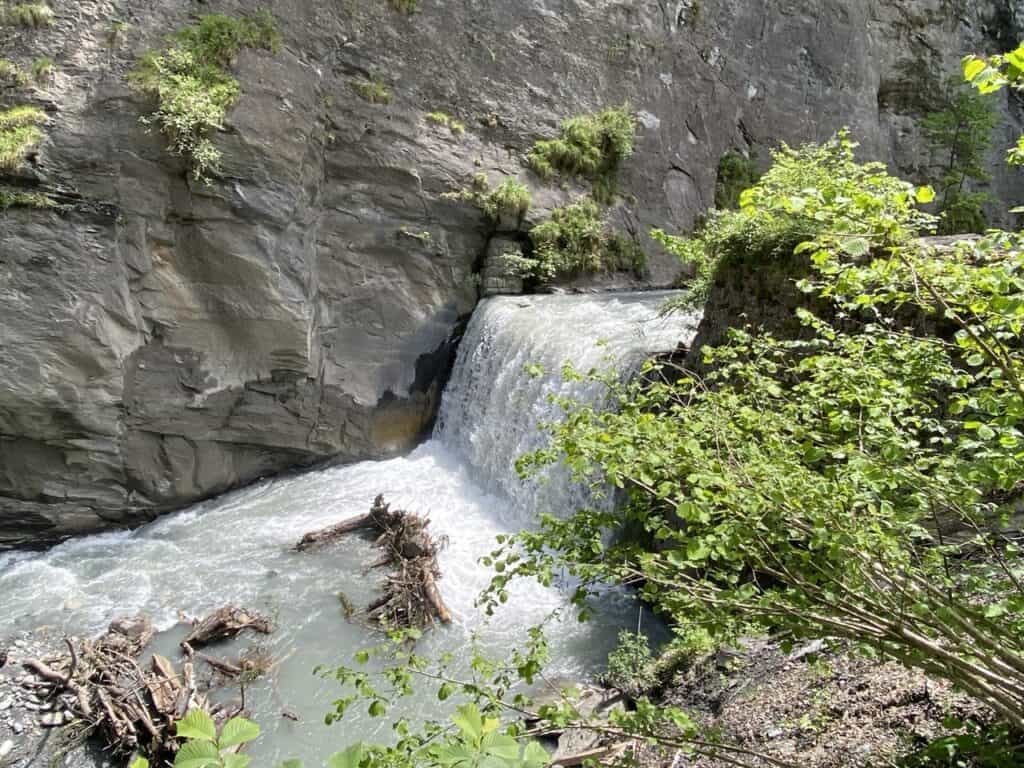
You can even get right up close to the river in a few places—perfect for dipping your toes into the icy mountain water.
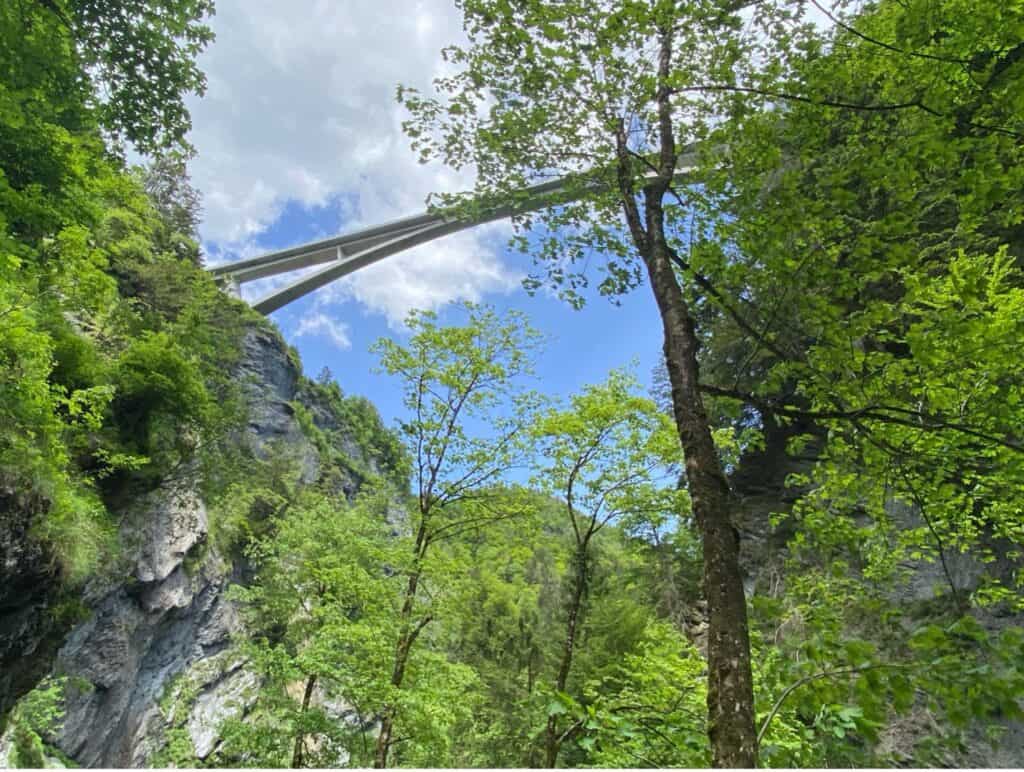
One of the highlights on the way back to Bad Ragaz is the view of the stunning Tamina Bridge, which spans the gorge high above. It connects the villages of Valens and Pfäfers, sitting at around 200 meters above the ground—and with a span of 260 meters, it’s actually the largest arch bridge in Switzerland.
Bonus: What to Do in Bad Ragaz
If you’re not ready to head home just yet, Bad Ragaz has a few extra treats:
Soak in the Tamina Therme
f you’re craving even more relaxation after your adventure, head to the Tamina Therme in Bad Ragaz. This modern wellness oasis has everything—from spacious indoor and outdoor pools to warm and cold water baths with soothing jets and refreshing showers. You’ll leave feeling totally recharged.
For prices and opening hours, it’s best to check their website before you go.
Check Out the Open-Air Art Festival (Every 3 Years)
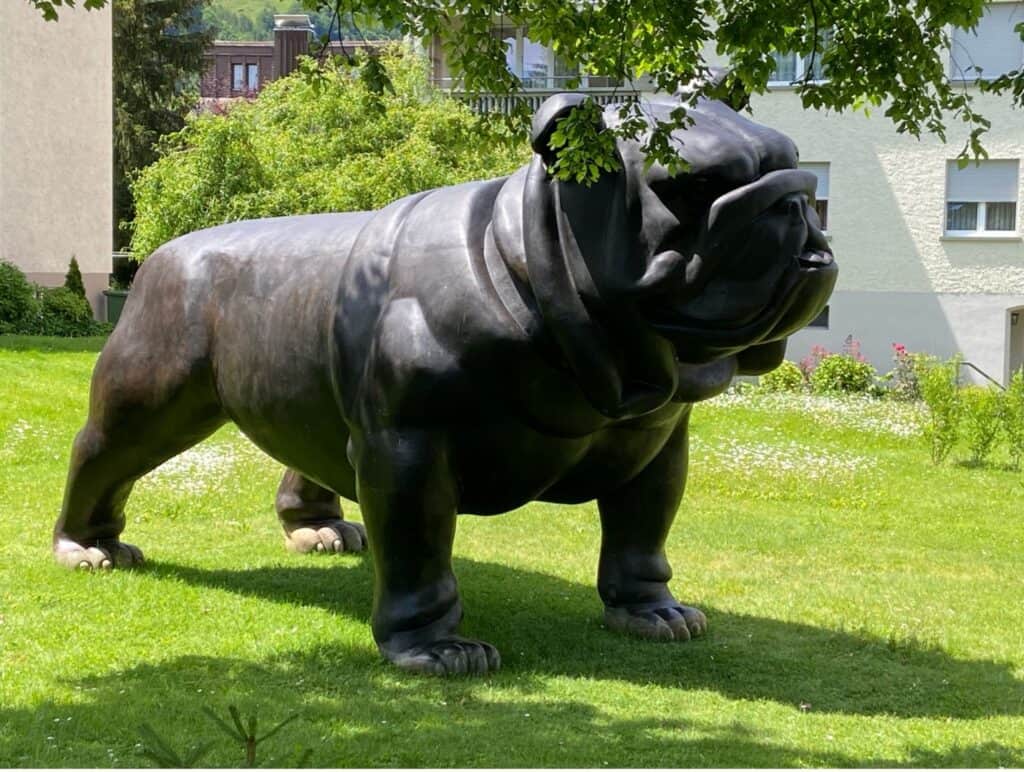
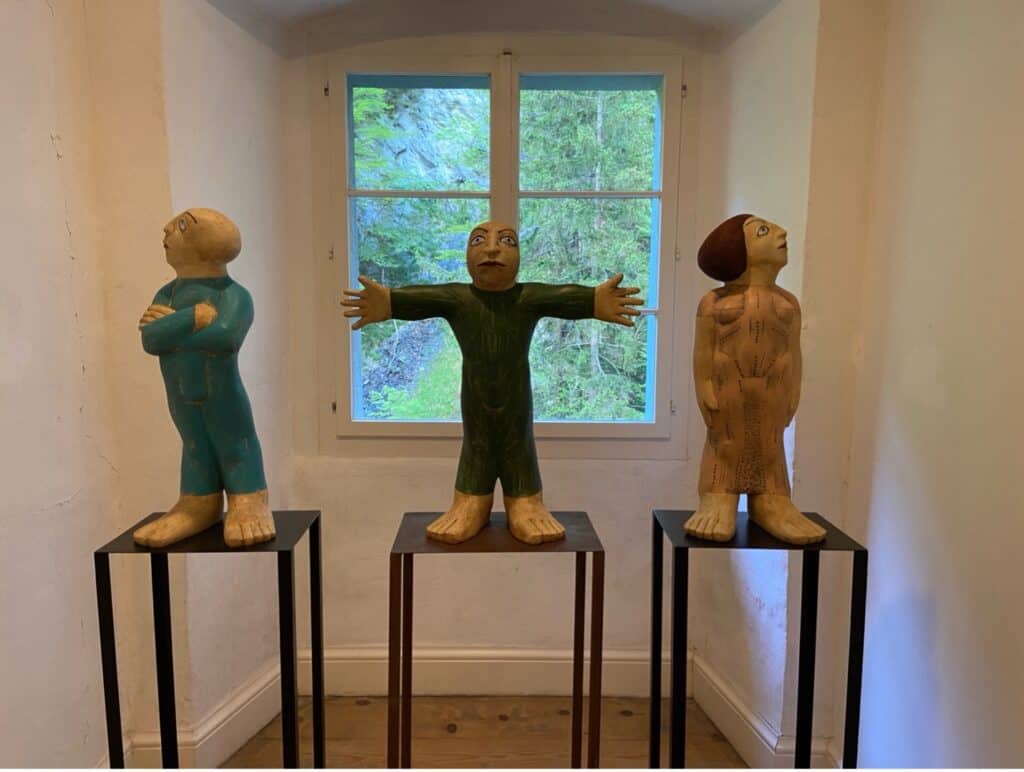
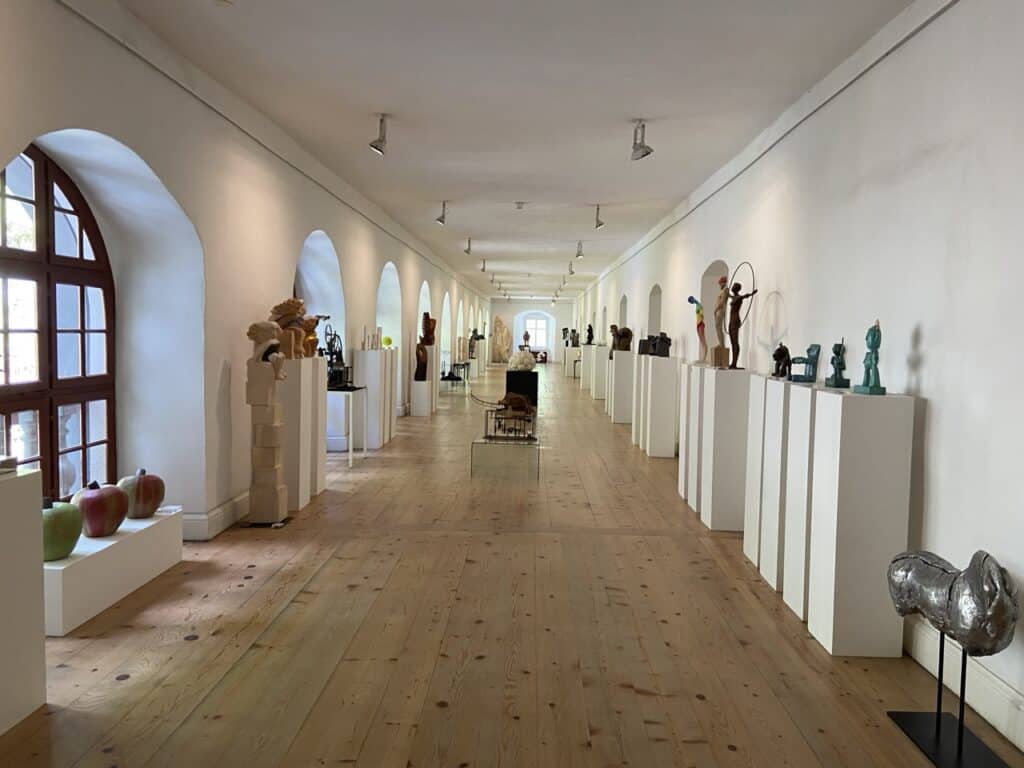
If you’re visiting in 2027, you’re in luck! Bad Ragaz hosts one of the biggest outdoor art exhibitions in the world, featuring sculptures all over town (and even inside the Altes Bad Pfäfers).
Practical Tips for Visiting the Tamina Gorge
Now that you’re all excited about visiting the Tamina Gorge, let’s go over some important practical details to make your trip smooth and stress-free.
Accessibility: Can Everyone Visit?
Absolutely! The gorge, restaurant, and toilets are all wheelchair accessible, making it an inclusive destination for visitors with mobility needs -or families with strollers. Tip: If you need access through the door next to the turnstile, just ask for the key at the bistro.
Please note that dogs are not permitted in the gorge.
How Much Does It Cost to Visit the Tamina Gorge?
Last time I checked, a ticket costs CHF 5 per person (no discounts for children).
• You can buy your ticket at the ticket machine at the museum.
• Keep your ticket handy—you’ll need to scan it at the entrance gate to enter the gorge.
Best Time to Visit the Tamina Gorge
The Tamina Gorge is only open seasonally, typically from May to mid-October.
For 2026, here are the official opening dates and times:
• May 3 – August 31: Open daily 10:00 AM – 5:15 PM
• September 1 – October 19: Open daily 10:00 AM – 4:15 PM
Always check the official website before your visit, as opening times can sometimes change due to weather conditions.
What to Wear to the Tamina Gorge
The gorge is cool, damp, and can be a bit slippery, so dress accordingly!
• Bring a light jacket—even in summer, it can feel chilly inside the gorge.
• Wear sturdy shoes with good traction to avoid slipping on the wet walkways. Sandals or flip-flops? Not the best idea.
Where to Eat
Feeling hungry after your adventure? You have a few great options:
1. At the Gorge – There’s a restaurant and self-service bistro at Altes Bad Pfäfers, perfect for grabbing a meal before or after your visit of the Taminaschlucht.
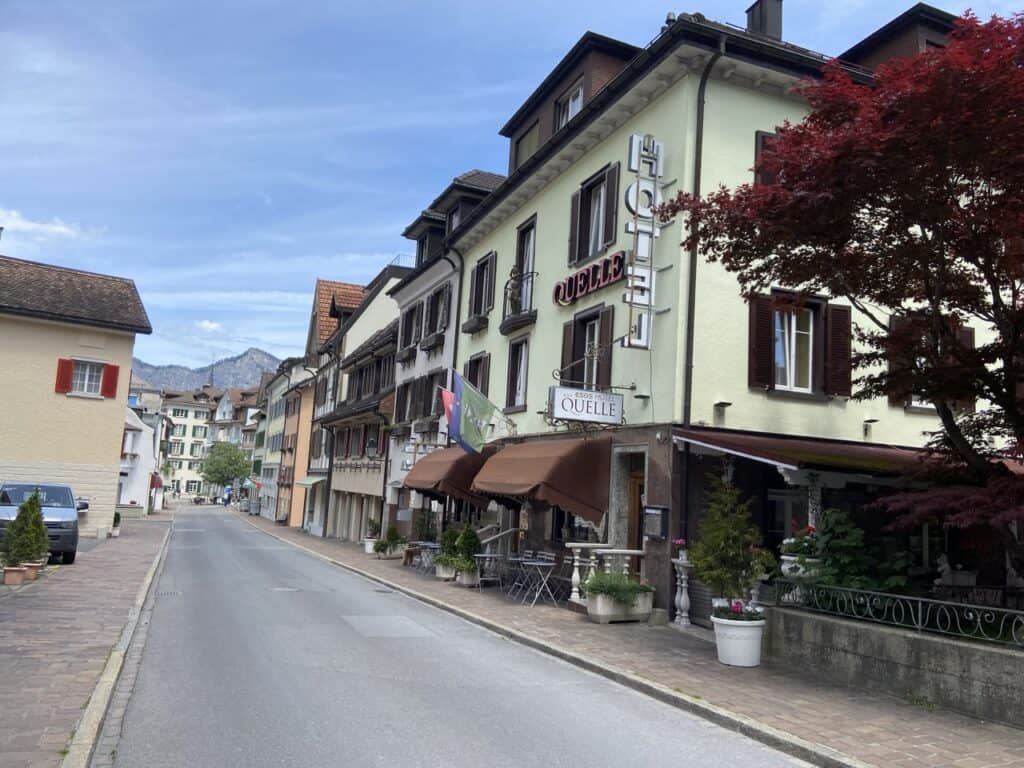
2. In Bad Ragaz – Plenty of restaurants line the main street leading to the train station, so you’ll have no trouble finding a place to sit down and eat.
3. Picnic Option – Prefer to eat outdoors? Grab supplies from a nearby grocery store:
• Migros – Bahnhofstrasse 2, 7310 Bad Ragaz
• Coop – Freihofweg 5, 7310 Bad Ragaz
• Avec – Inside Bad Ragaz train station
Conclusion
A visit to the Tamina Gorge is the perfect blend of nature, history, and pure relaxation. Whether you hike through the scenic trails, hop on the shuttle, wander through the gorge, dive into its fascinating history at the museum, or unwind in the soothing waters of Tamina Therme — you’re in for a day you won’t forget.
All that’s left? Plan your day trip from Zurich and get ready to explore! And if you’re hungry for more hidden gems in the region, don’t miss my blog articles about the impressive Seerenbach Falls or the enchanting Berschis Waterfall.