Nobody plans to get sick while on holiday in Switzerland.
You picture mountain hikes, scenic train rides, lakeside picnics and charming old towns—not a painful eye infection, a twisted ankle, or a nasty cold halfway through your trip.
But these things happen. Maybe you’ve walked a little too enthusiastically and your feet are covered in blisters. Maybe you’ve developed an allergic reaction or picked up a tick on one of your hikes. Or perhaps you’ve simply caught the cold that’s been making its way through your family.
Whenever something like that happens to us, I almost always head to the pharmacy first.
Pharmacies in Switzerland are incredibly knowledgeable, and over the years they’ve saved our family countless trips to the doctor. Just last week my daughter developed a stye. Instead of trying to get a doctor’s appointment, we popped into our local pharmacy. The pharmacist carefully examined her eye, recommended a treatment, and even called two days later to check how she was doing. Thankfully, the treatment worked perfectly.
It’s one of those everyday Swiss services that many visitors don’t know exists.
So before you panic or head straight to an expensive emergency clinic, here’s how healthcare works in Switzerland—and how knowing where to go can save you both time and money.
Why I Always Visit a Swiss Pharmacy First
One thing that surprises many visitors is just how much Swiss pharmacists can do.
They’re not simply there to hand over prescriptions. Swiss pharmacists are highly trained healthcare professionals who can assess many common health problems, recommend the most appropriate treatment, and for certain conditions even provide prescription-only medicines without you first needing to see a doctor.
That’s why I almost always go to the pharmacy before trying to see a doctor.
The pharmacist will take the time to ask questions and assess your symptoms. If they can help, they’ll recommend the best treatment. If they think you need further medical care, they’ll tell you straight away and point you in the right direction.
I really appreciate that they don’t rush you. In my experience, they genuinely listen, explain how to use the medication, and make sure you understand what to watch out for.
For travelers, this can be a real lifesaver. Instead of spending hours trying to find a doctor or sitting in a busy walk-in clinic, you may be able to get the help you need within a few minutes at your local pharmacy.
Of course, pharmacies can’t treat everything. If you have severe pain, difficulty breathing, a high fever that won’t come down, a serious injury, or anything that feels like an emergency, don’t hesitate to seek medical care straight away. But for many everyday illnesses and minor injuries, the pharmacy is the place I’d start.
Where to Buy Painkillers in Switzerland
This is one of those little things that catches many visitors by surprise.
In countries like the UK or the US, it’s perfectly normal to pick up paracetamol or ibuprofen while buying groceries. In Switzerland, that’s simply not how it works.
Painkillers such as paracetamol and ibuprofen are only sold in pharmacies and drugstores, where they’re kept behind the counter. That means you won’t find them in supermarkets, convenience stores, or at petrol stations.
The pharmacist will usually ask who the medication is for, what symptoms you’re experiencing, and whether you’re taking any other medication. It might feel unusual if you’re used to grabbing a packet off the shelf, but it’s all part of making sure you get the right medicine and dose.
My advice? If you’re heading into the mountains for several days or planning a longer road trip, it’s worth picking up a small packet before you leave. Hopefully you won’t need it, but you’ll be glad you have it if a headache or sore muscles suddenly appear.
Emergency Pharmacies (Notfallapotheke) in Switzerland
Most pharmacies in Switzerland follow normal business hours and are closed on Sundays and public holidays.
Fortunately, there’s always a solution.
Every region has a duty pharmacy (Notfallapotheke) that stays open outside regular hours on a rotating schedule. A quick Google search for “Notfallapotheke” together with your location will usually tell you which pharmacy is on duty. Hotels are also happy to help, and the tourist office or your accommodation host can point you in the right direction.
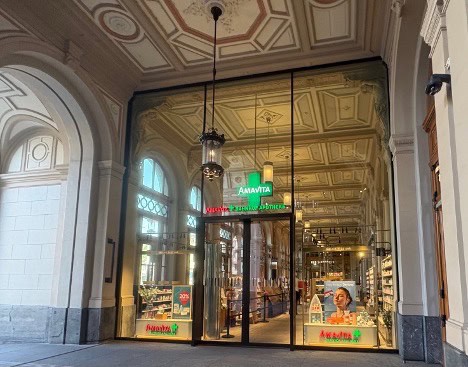
If you’re travelling by train, another good option is one of the larger station pharmacies. Many major railway stations have pharmacies with extended opening hours, including weekends. One of the most convenient is the Amavita pharmacy inside Zurich Main Station, which is open every day of the year and until 11pm.
When to See a Doctor or Visit a Walk-In Clinic in Switzerland
If the pharmacist thinks you need more specialised care, they’ll tell you. They can often recommend the most appropriate clinic or doctor.
For non-life-threatening problems that can’t wait for a regular doctor’s appointment, many Swiss towns and cities have walk-in urgent care clinics, often called a Permanence. You don’t usually need an appointment, but be prepared for a wait, especially during evenings, weekends, and the winter cold and flu season.
They can treat things like cuts that need stitches, suspected fractures, infections that require further examination, or illnesses that need a doctor’s assessment.
If you’re dealing with a true medical emergency—such as severe chest pain, difficulty breathing, a serious accident, heavy bleeding, or symptoms of a stroke—don’t wait. Go straight to the nearest hospital emergency department or call the Swiss emergency number 144 for an ambulance.
The good news is that Switzerland has an excellent healthcare system. The challenge for visitors isn’t the quality of care—it’s knowing where to go first.
Pharmacies and Walk-In Clinics in Switzerland
If you’re travelling in Switzerland and suddenly need help, here are some useful places to keep in mind. These are especially handy for evenings, weekends, or when you’re not sure where to go first.
Train Station Pharmacies (late hours & Sundays)
Large train stations are often the easiest place to find a pharmacy outside normal opening hours:
- Zurich Main Station (HB) – pharmacy open daily, including Sundays
- Zurich Bellevue – open 24/7
- Bern main station – pharmacy services with extended opening hours
- Geneva Cornavin station – central pharmacy access with weekend availability
- Lucerne station – convenient option for travellers in central Switzerland
- Lugano station – includes a pharmacy open 7 days a week, including evenings (Pharma Express)
These station pharmacies are especially useful if you arrive late, travel on a Sunday, or suddenly realise you forgot something essential like painkillers.
Walk-in Clinics (Permanence) in Switzerland – No Appointment Needed
If you need a doctor but it’s not a life-threatening emergency, look for a Permanence or walk-in medical centre. Here are a few links in Zurich, Bern, Geneva and Lucerne:
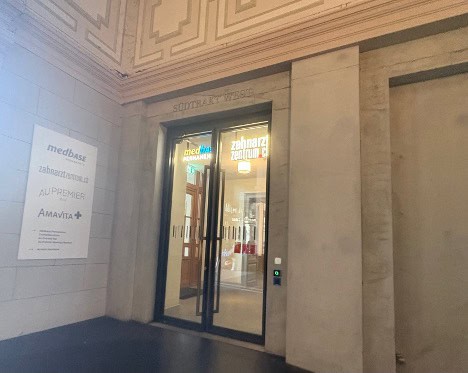
- Zurich HB – Medbase Permanence (open 365 days a year, including weekends and holidays)
- SOS Aerzte Zürich
- Bern – emergency and walk-in medical services available in central areas and hospitals: Medbase Bahnhof Bern, City Notfall, Aprioris Bern Walk-In Center
- Geneva – SOS Médecins: and GE-MED
- Lucerne – walk-in urgent care near the station, often used by travellers and locals alike: MedCenter Permanence Luzern
For kids there also exist special walk-in clinics like Swiss Medical Kids.
The medical services listed above are designed for exactly the situations tourists often face: infections, minor injuries, stomach bugs, or anything that needs a doctor but not an ambulance.
Swiss Emergency Numbers for Tourists
- 144 → Ambulance (medical emergency in Switzerland)
- Medical Helpline (Aerztefon): 0800 33 66 55 . A free medical helpline for non-life-threatening medical and dental emergencies. Trained healthcare professionals and doctors provide an initial medical assessment and help direct you to the most appropriate medical care Aerztefon: 0800 33 66 55
If in doubt, don’t hesitate to call. Switzerland’s emergency services are efficient and well organised, especially for visitors.
Why Travel Insurance Is Essential for Switzerland
One final piece of advice that I hope you won’t need—but that’s absolutely worth having—is good travel insurance.
Swiss healthcare is excellent, but it is also expensive. A simple consultation at a clinic, a visit to an emergency department, or even a short treatment can quickly add up to hundreds of Swiss francs. More serious care can become significantly more costly.
That’s why travel insurance is not just a “nice to have” in Switzerland—it’s something I personally consider essential.
I’ve written a separate guide on travel insurance if you want to understand what to look out for and what kind of coverage actually makes sense for a trip here.
The good news is that most situations tourists encounter are small: a sprained ankle on a hike, a stomach bug, or a sudden allergic reaction. And in many of those cases, starting at a pharmacy is still the simplest and most efficient first step.
Frequently Asked Questions About Healthcare in Switzerland
Can tourists use pharmacies in Switzerland?
Yes! Anyone can visit a pharmacy in Switzerland, whether you’re a tourist or a resident. In fact, I almost always recommend starting there if you have a minor illness or injury. Swiss pharmacists are highly trained healthcare professionals who can assess many common conditions, recommend the right treatment, and, in some cases, even provide prescription-only medicines without you first needing to see a doctor.
Can tourists see a doctor in Switzerland?
Absolutely. If you need medical care beyond what a pharmacist can provide, you can make an appointment with a doctor, visit a walk-in clinic (often called a Permanence), or go to a hospital emergency department if necessary. Just keep in mind that healthcare in Switzerland is excellent—but it can also be expensive—so having good travel insurance is highly recommended.
Can I buy antibiotics in Switzerland?
No. Antibiotics require a doctor’s prescription in Switzerland. However, your first stop should still be the pharmacy. The pharmacist can assess your symptoms and advise whether you can treat the problem with over-the-counter medication or whether you need to see a doctor for further evaluation.
Can you buy ibuprofen or paracetamol in Switzerland?
Yes, but only from pharmacies. Unlike in many other countries, you won’t find painkillers such as ibuprofen or paracetamol in Swiss supermarkets, convenience stores, or petrol stations. If you’re planning a multi-day hike or road trip, it’s worth buying a small packet in advance—just in case.
Is healthcare free in Switzerland?
No. Switzerland has one of the best healthcare systems in the world, but it isn’t free. Medical consultations, emergency treatment, and hospital visits can quickly become expensive for visitors. That’s why I always recommend travelling with comprehensive travel insurance that covers medical treatment.
What is the emergency number in Switzerland?
For medical emergencies, call 144 anywhere in Switzerland. If someone has severe chest pain, difficulty breathing, symptoms of a stroke, heavy bleeding, or has been seriously injured, don’t hesitate to call for an ambulance immediately.
This number is free of charge and available 24/7 throughout the country.
If you are using a mobile phone, you can also dial 112 as a universal emergency number. It connects you to the appropriate emergency service.
Do Swiss pharmacies speak English?
In my experience, yes—especially in larger cities, tourist destinations, and pharmacies near train stations. Most pharmacists speak excellent English and are used to helping international visitors. Even in smaller towns, you’ll usually find someone who can communicate well enough to help or to translate.
Can I use my European Health Insurance Card (EHIC) or UK GHIC in Switzerland?
If you’re visiting from an EU or EFTA country, your European Health Insurance Card (EHIC) generally allows you to receive medically necessary healthcare during a temporary stay in Switzerland under the same conditions as Swiss residents.
If you are a UK citizen visiting Switzerland, it’s important to note the following regarding healthcare: Following Brexit, the UK is no longer part of the EU’s European Health Insurance Card (EHIC) scheme. However, the UK has introduced the Global Health Insurance Card (GHIC), which may be valid in Switzerland depending on bilateral agreements at the time of your visit.
I suggest you check the latest government advice before traveling to confirm your healthcare coverage in Switzerland.
Please note however that these cards don’t cover everything, such as mountain rescue, repatriation, or many travel-related costs, so I still recommend taking out comprehensive travel insurance before your trip.
Can I use my home prescription at a Swiss pharmacy?
No, Swiss pharmacies legally cannot accept foreign prescriptions.
You must have a prescription written by a registered doctor practicing in Switzerland to get your medication.
What to do if you run out of medication:
- Visit a Walk-In Clinic: Go to a train station clinic called a Permanence (like Medbase at Zurich HB) for a quick doctor’s visit to get a local prescription.
- Ask for an Emergency Pack: Show your foreign bottle to a local pharmacist; they may dispense a one-time emergency supply of standard maintenance drugs for a small fee.
- Never Mail Refills: Do not have medication shipped to you from home, as Swiss customs will confiscate it at the border.
Can I bring my personal prescription medication into Switzerland?
Yes, you can bring up to a 30-day supply of personal medication for your own use.
Always keep medications in their original pharmacy packaging with your name clearly visible.
Rules for ADHD medications, stimulants, and strong painkillers:
- Check the Class: These are heavily regulated controlled substances in Switzerland.
- Carry Proof: You must carry a signed, official medical certificate from your prescribing doctor.
- State the Need: The note must clearly state the daily dosage and your medical necessity to avoid issues at customs.
How much does it cost to see a doctor in Switzerland without insurance?
A standard 15-minute consultation at a walk-in clinic costs between CHF 100 and CHF 200.
Because Switzerland does not have free public clinics, tourists without accepted insurance must pay out-of-pocket immediately.
Payment details:
- Immediate Settlement: You must pay on-site right after your visit using cash, a credit card, or Twint.
- Extra Fees: Lab tests, X-rays, or administered medications will quickly double or triple the baseline consultation fee.
- Invoice Document: Request a detailed, itemized receipt (Rückforderungsbeleg) so you can claim a reimbursement from your travel insurance provider later.
What number do I call for a medical emergency in Switzerland?
Dial 144 for an ambulance.
For general emergency services, you can also dial 112, which is the universal European emergency number.
Other crucial numbers to save:
- 1414: REGA (Swiss Air Rescue) for helicopter evacuations in the mountains.
- 145: Tox Info Suisse for poisoning emergencies.
- 1811: To find the nearest open 24-hour emergency pharmacy (Notfall-Apotheke).
Quick Swiss Healthcare Cheat Sheet
Before we finish, here’s a simple overview you can save for your trip:
- Minor illness or injury → Visit a pharmacy first.
- Need painkillers? → Buy them at a pharmacy (not supermarkets), especially before Sundays or long trips.
- Pharmacy closed? → Look for a Notfallapotheke (emergency pharmacy) or a pharmacy at a major train station.
- Need urgent but non-emergency care? → Visit a Permanence (walk-in urgent care clinic), or call Aerztefon (0800 33 66 55) for free medical advice and guidance.
- Serious emergency? → Go to the nearest hospital emergency department or call 144 for an ambulance immediately.
If there’s one thing I’d want you to take away from this guide, it’s simple: in Switzerland, you are rarely on your own medically—but you do need to know the right first door to open.