Are you ready for a little adventure just outside Zurich?
Let me take you to a place that’s not only close to the city, but very close to my heart: Lake Pfäffikon — one of the Zurich region’s quiet, often-overlooked gems. I grew up here, and this lake shaped so many of my childhood days. It wasn’t just a landscape to me; it was my playground.
In summer, I’d spend hours swimming, watching frogs and birds, and inventing entire worlds among the ruins of the old Roman fortress. In winter, everything slowed down. I went cross-country skiing, sledging, and on those rare, magical days when the lake froze completely, I’d glide across its glistening surface on ice skates, feeling like the world had paused just for us.
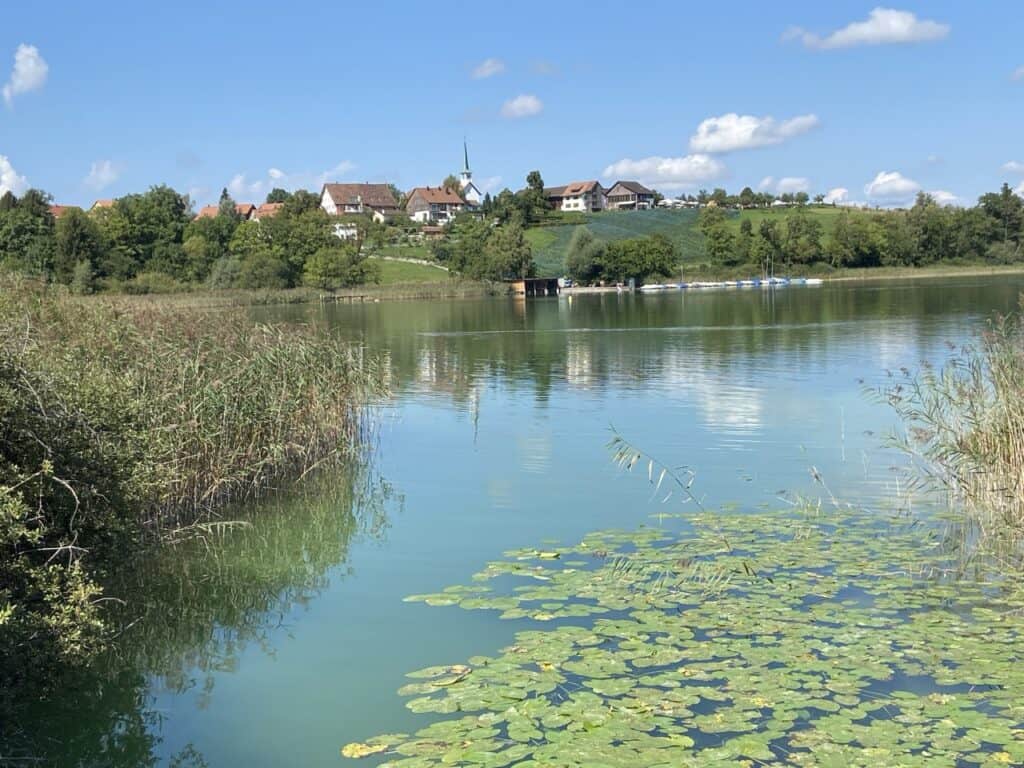
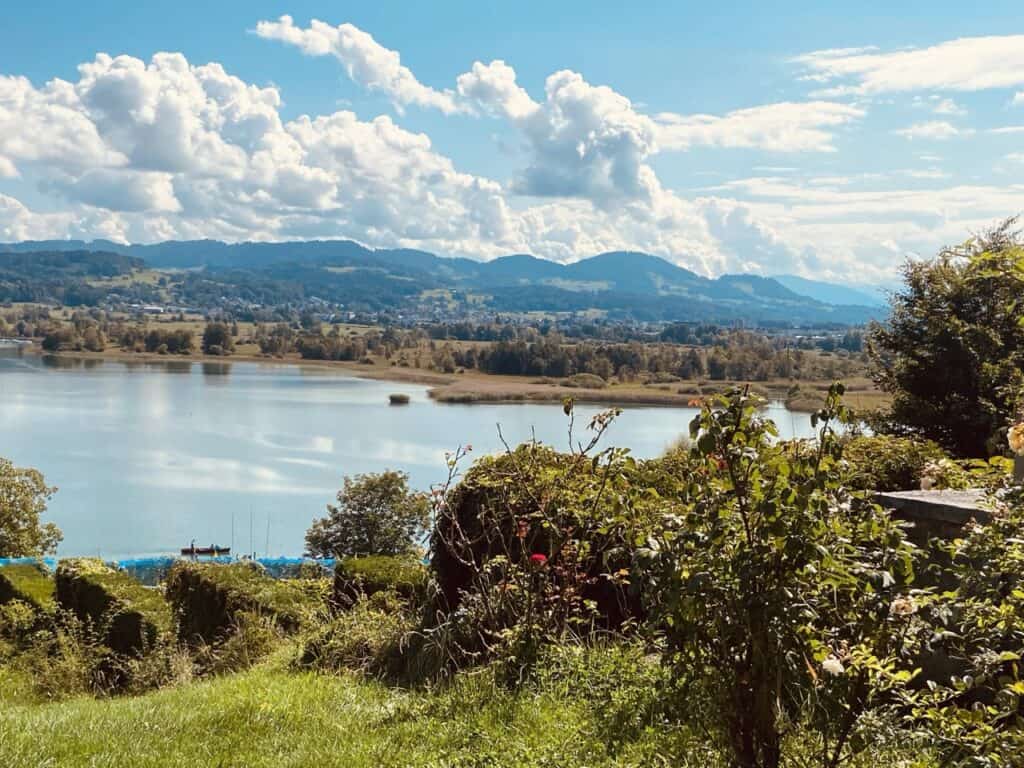
You don’t need my childhood memories to fall in love with this place, though. Today, Lake Pfäffikon invites you in with a gentle 10-kilometer circular trail, peaceful reed beds, wide-open moorland views, and a sense of calm that’s hard to find so close to a city.
So come along — I’d love to show you how to experience Lake Pfäffikon for yourself on an easy, soul-soothing day trip from Zurich.
Pfäffikon ZH – Your Starting Point
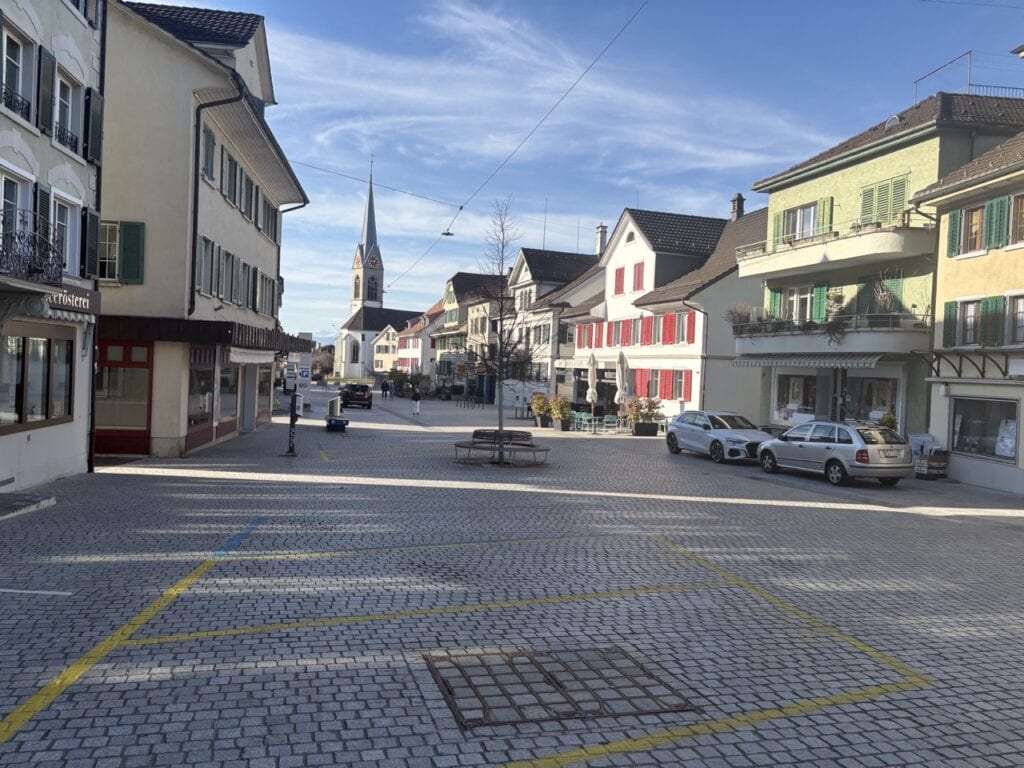
Once I step off the train, it only takes a few minutes to reach the lakeside promenade by walking through the village.
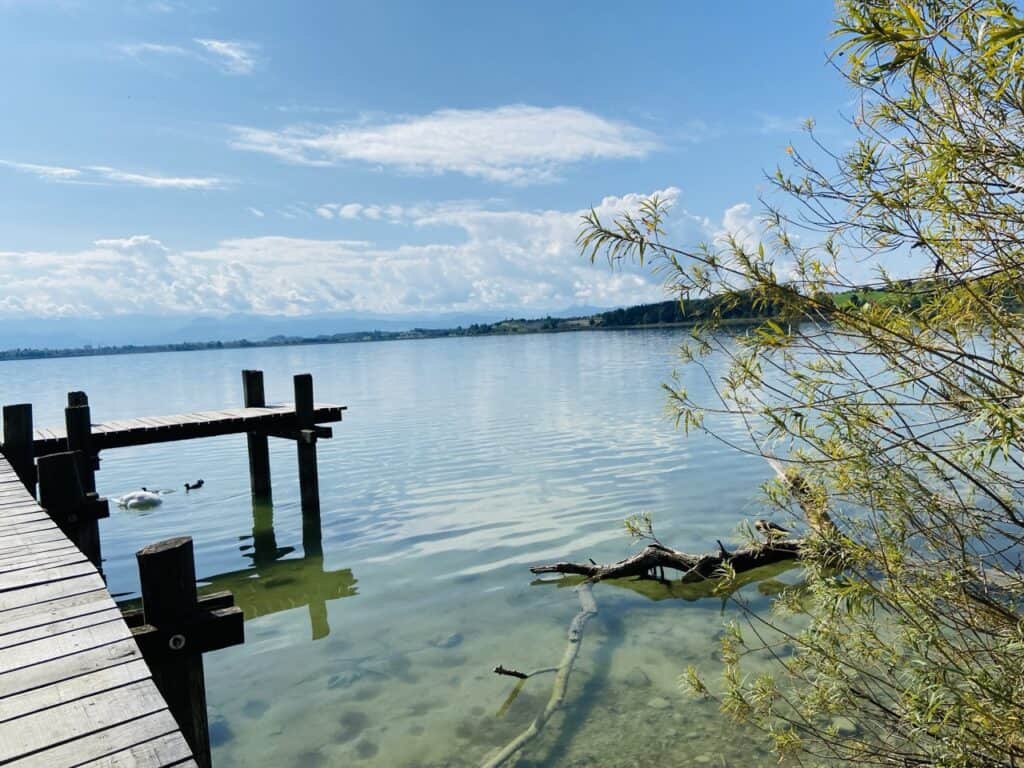
From here, the day feels wonderfully open. Some days, when I am here with friends or family, we rent a rowing boat and glide quietly across the calm water. Other days, I simply start walking, following the easy, mostly flat trail that loops all the way around the lake.
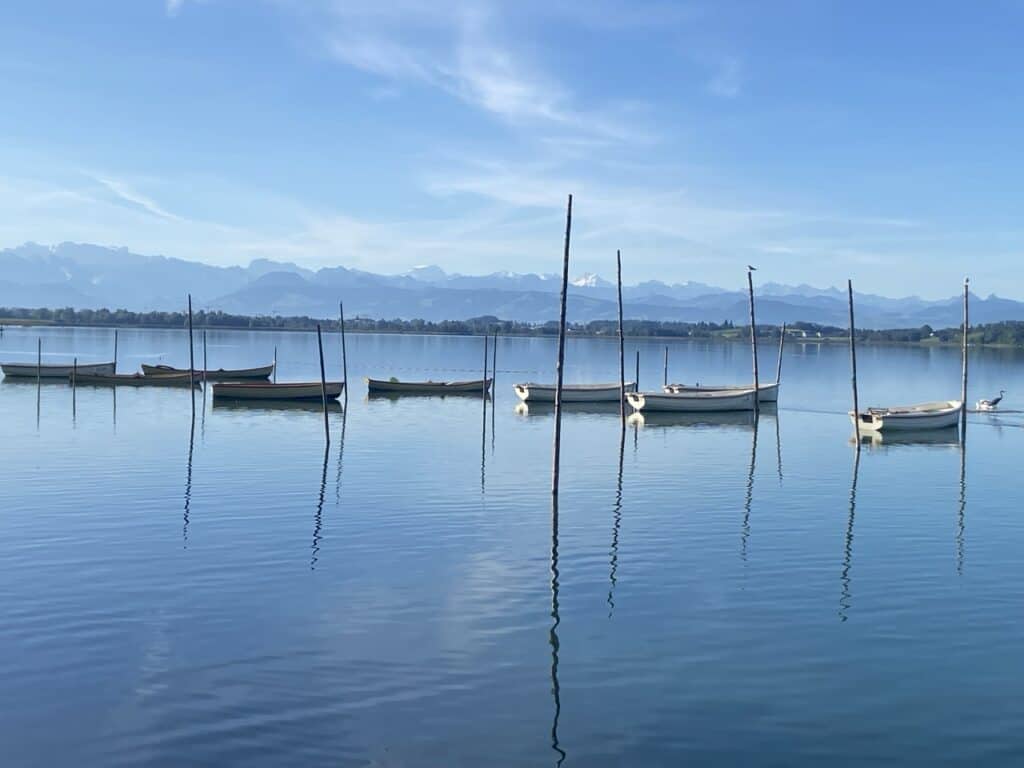
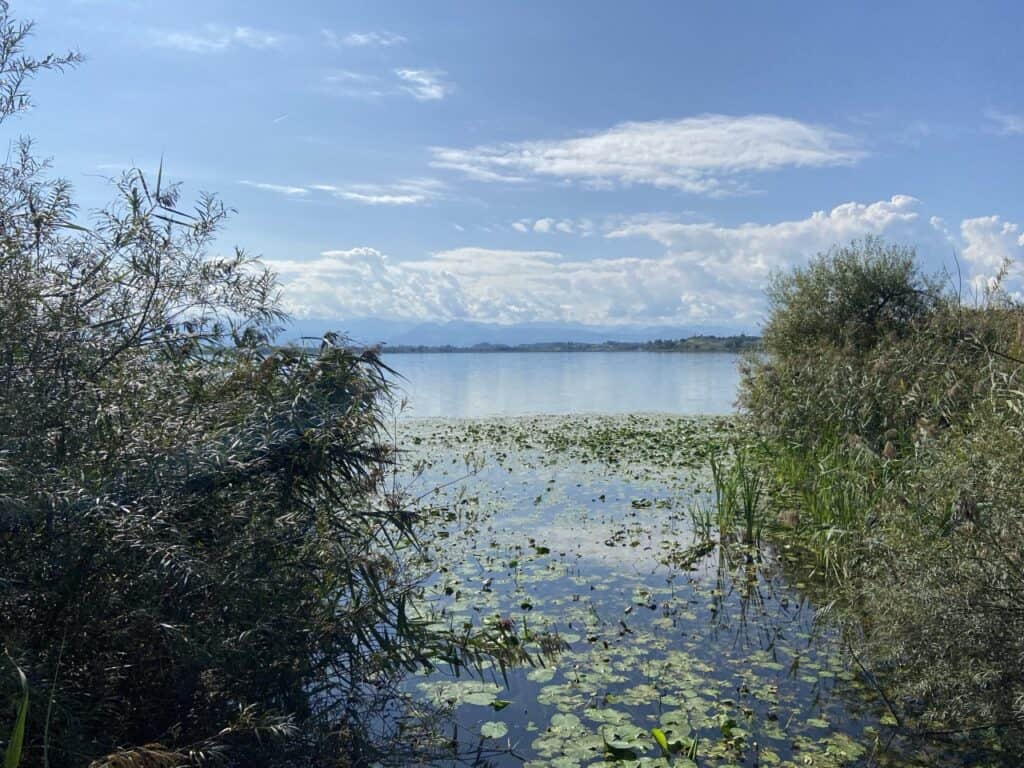
No matter how you begin, the scenery works its magic almost instantly. Tall reed beds sway gently in the breeze, wide stretches of moorland open up around you, and if you slow down just a little, you’ll start noticing life everywhere — birds, frogs, dragonflies, and the soft, steady rhythm of nature doing its thing.
What many people don’t realize is that Lake Pfäffikon and its surrounding wetlands are among the most valuable lake and moorland landscapes in Switzerland. This sensitive nature reserve is made up of largely untouched lakeshores, nationally protected raised and low moors, small ponds, and clusters of shrubs and trees — a rich mosaic of habitats supporting an incredible variety of plant and animal life.
If you look closely — or simply take your time — you’ll feel just how alive this place truly is. Countless species call this area home, including many rare and highly endangered plants and animals that now exist in only a few places in the Canton of Zurich. Knowing this always makes me walk a little more slowly here, with greater awareness and respect for the fragile world unfolding quietly around me.
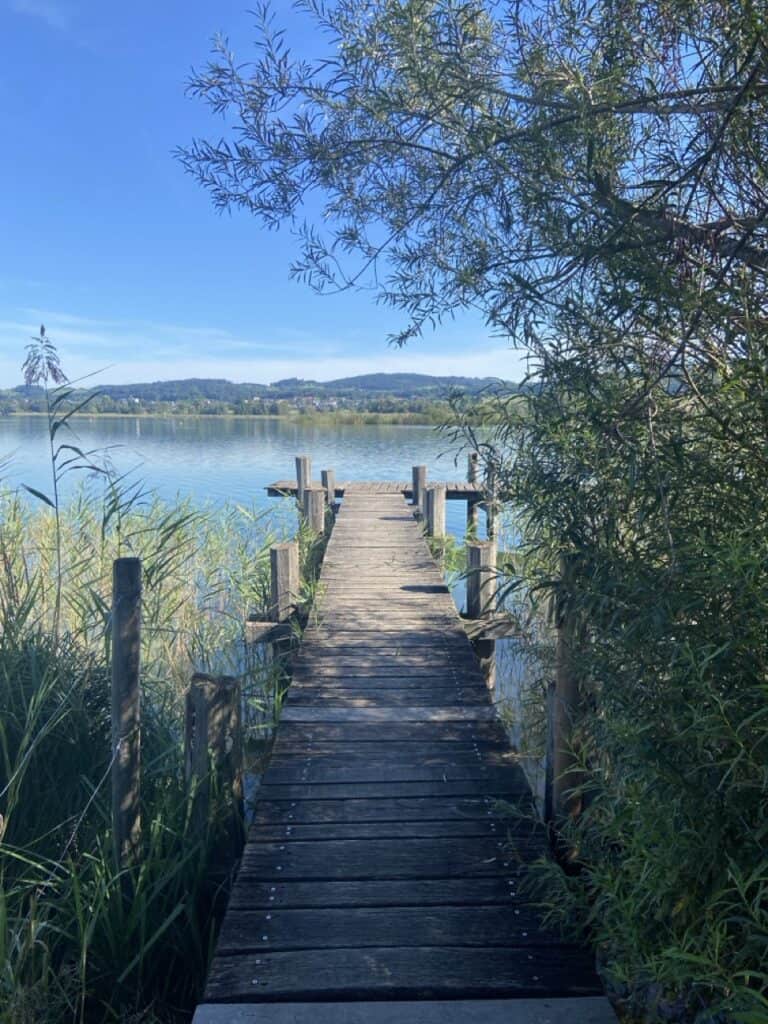
The trail is stroller-friendly and suitable for all ages, but don’t let that fool you into thinking it’s boring. Along the way, wooden boardwalks lead you across marshy sections of the lake, bringing you closer to the water and its inhabitants. It’s the kind of walk that gently pulls you out of your head, invites you to breathe deeper, and reminds you why being outdoors feels so good.
Naturzentrum Pfäffikersee: Nature Knowledge Along the Trail
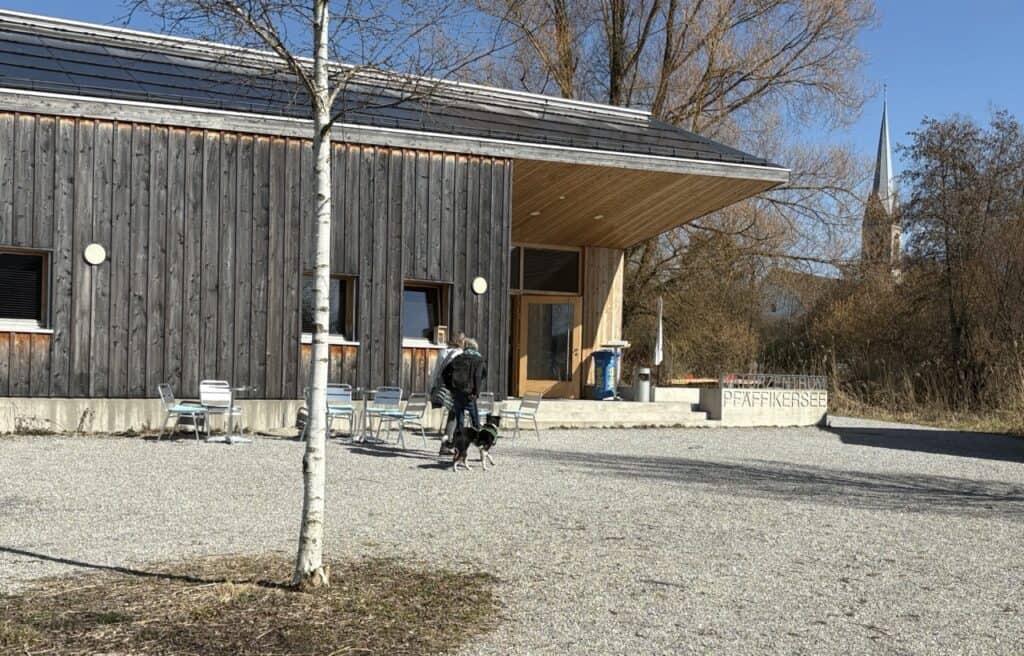
Not far from the lakeside promenade — especially if you start your loop around the lake by keeping to the right — you’ll come across the Naturzentrum Pfäffikersee. If you’re curious to learn more about what’s happening in and around the lake, you should definitely stop here.
The Naturzentrum is open year-round, and best of all, entry is free during opening hours. Inside, you’ll find information about current nature topics and discover which animals live in and around Lake Pfäffikon. It’s a lovely place to deepen your connection with the landscape you’re walking through.
There’s also a small café, perfect for a coffee, a cold drink, or a little snack before continuing on your way.
Seegräben – A Charming Stop Along the Trail
One of the highlights along the trail is the quaint farming village of Seegräben. Tucked amid rolling meadows and untouched natural surroundings, its timber-framed houses, built in traditional Swiss style, add a timeless charm.
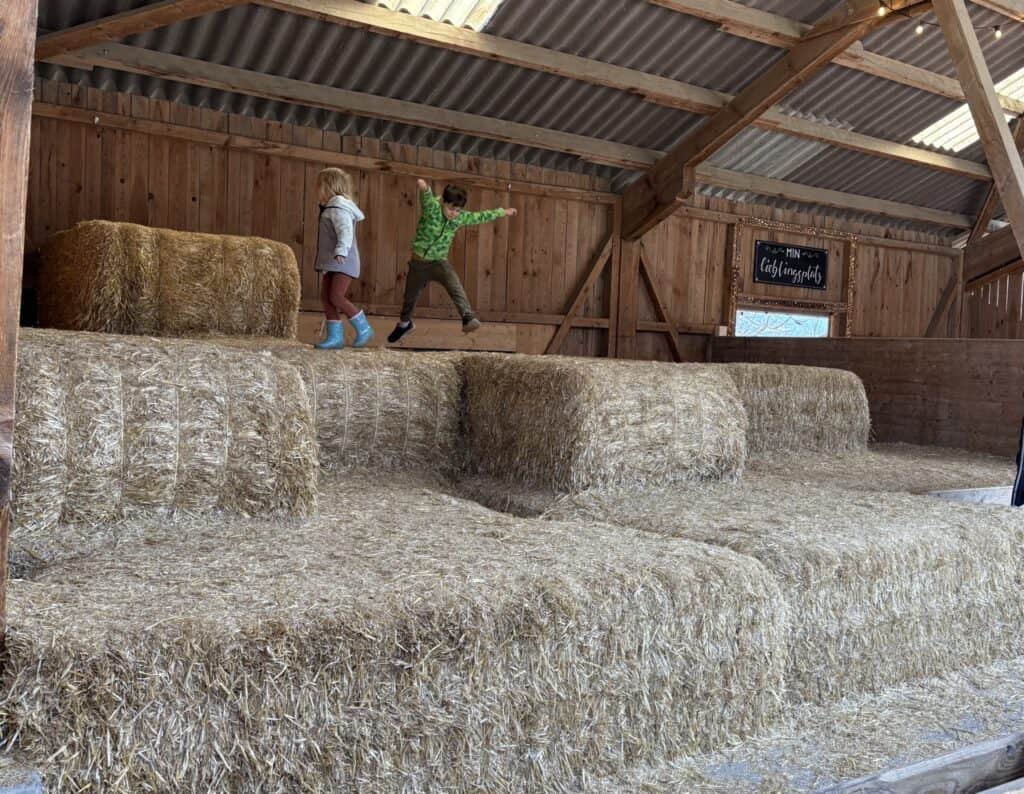
Seegräben is also home to the famous Juckerhof Adventure Farm, a must-visit if you’re traveling with kids—or just want to unleash your inner child. The farm is a playground for all ages: climb hay bale castles, wander through fruit orchards, pet goats at Geisslipark, or navigate a seasonal maze.
And yes, there’s food! The farm restaurant serves hearty local dishes and refreshing drinks, perfect after a couple of hours of walking. And if you have some room left in your backpack, why not grab a treat from the farm store to bring home.
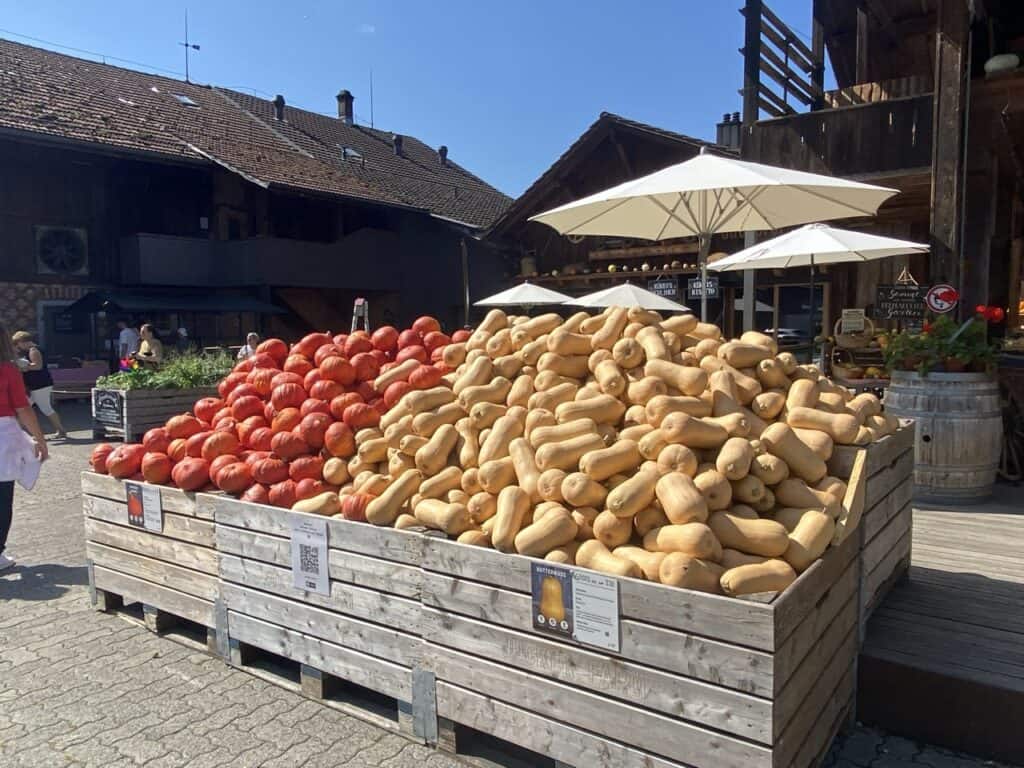
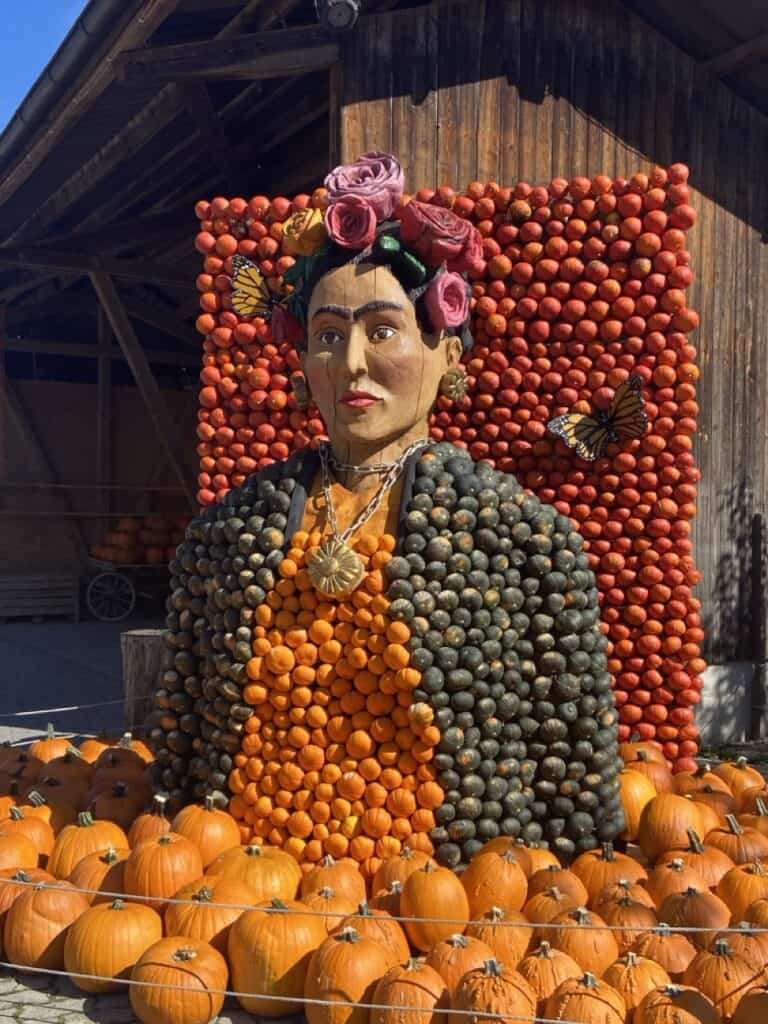
For me, visiting Juckerhof is always fun. In summer, it means picking berries; in fall, pumpkin sculptures and harvest-themed treats make the farm feel like a storybook come to life.
From Juckern Farm I continue my walk down through vineyards back to the lake and follow the path until I reach Auslikon.
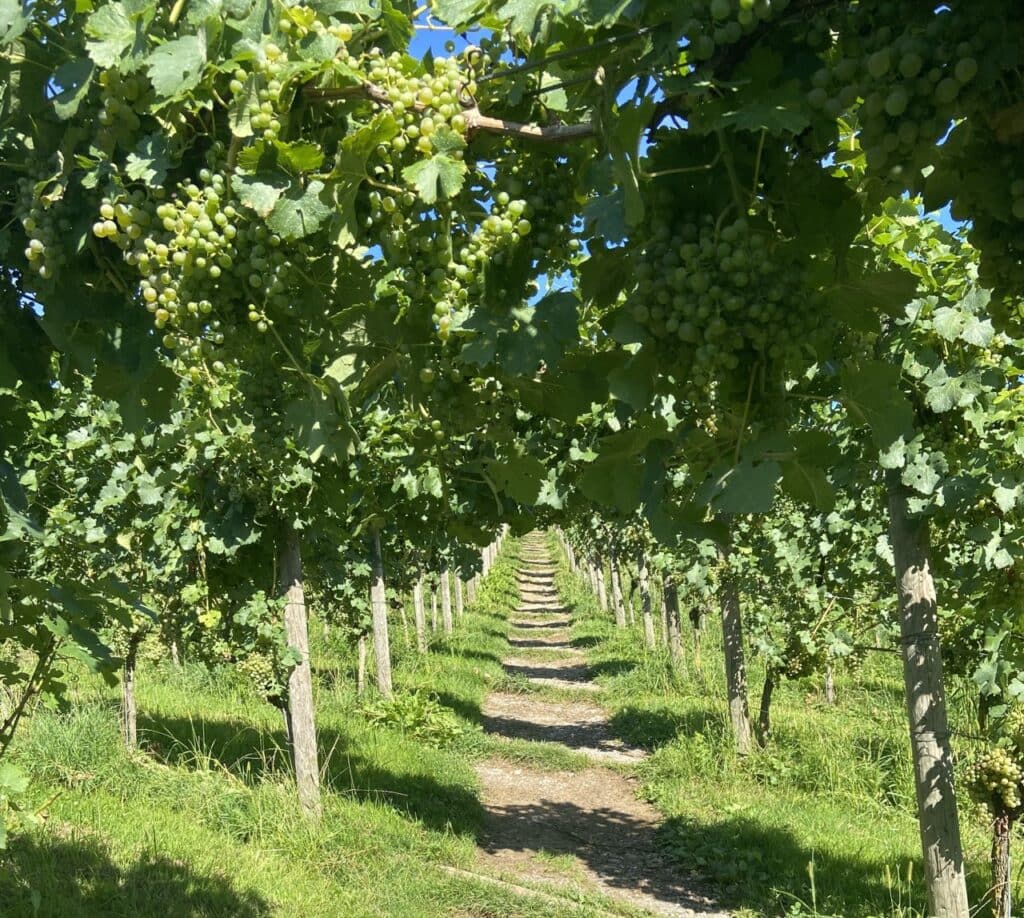
Here you’ll find a big camping ground and in summer, a public bathing facility to go swimming.
Just beyond Auslikon, the landscape opens up into wide reed meadows that are part of the protected nature reserve. These wetlands are made up of nationally significant lowland and raised moors, providing a safe and vital habitat for migratory and water birds. As the walking path runs gently along the edge of this protected area, your chances of spotting rare bird species are surprisingly good — especially if you slow down, keep quiet, and let the landscape reveal itself at its own pace.
The Roman Fortress at Irgenhausen – Where History and Imagination Meet
As I near the end of the loop, just before returning to Pfäffikon ZH, an unmistakable silhouette appears on the horizon: the ruins of the Roman fortress at Irgenhausen. Standing here, overlooking the lake and surrounding wetlands, it’s hard not to feel the weight of time.
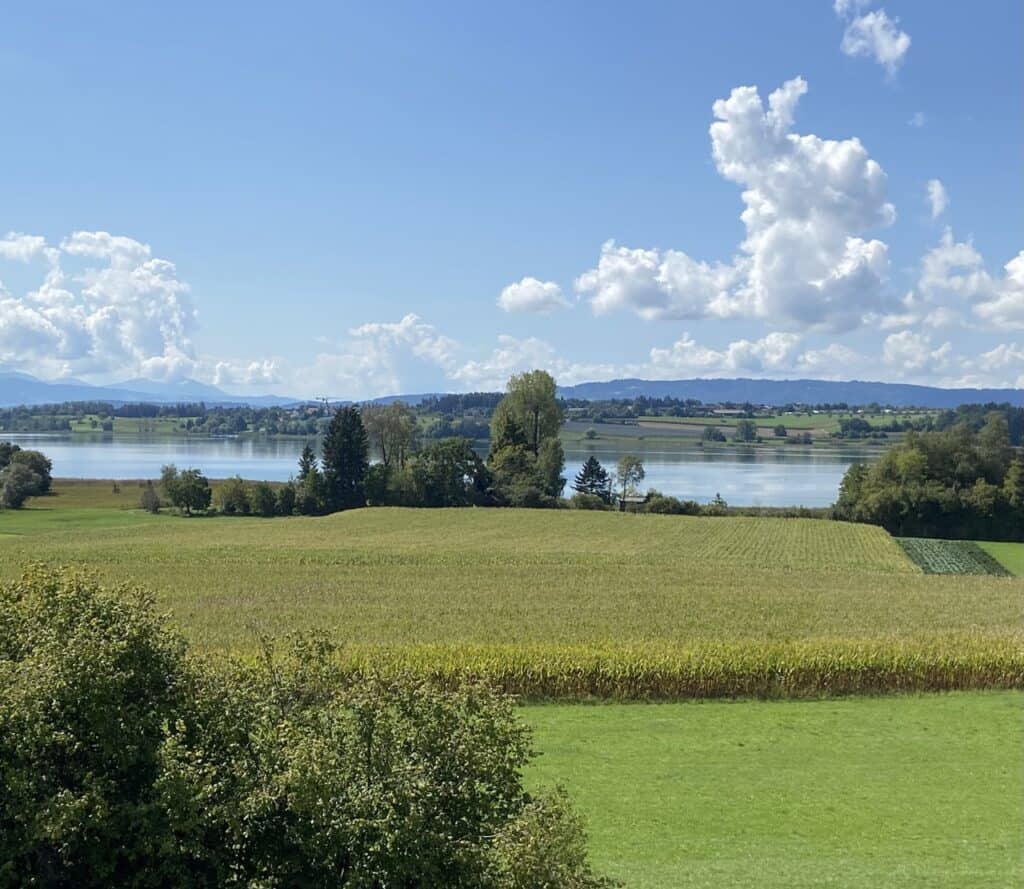
The fortress was built around 300 AD — historians still debate whether it was commissioned by Emperor Diocletian or Valentinian II — and it has been watching over this landscape for centuries.
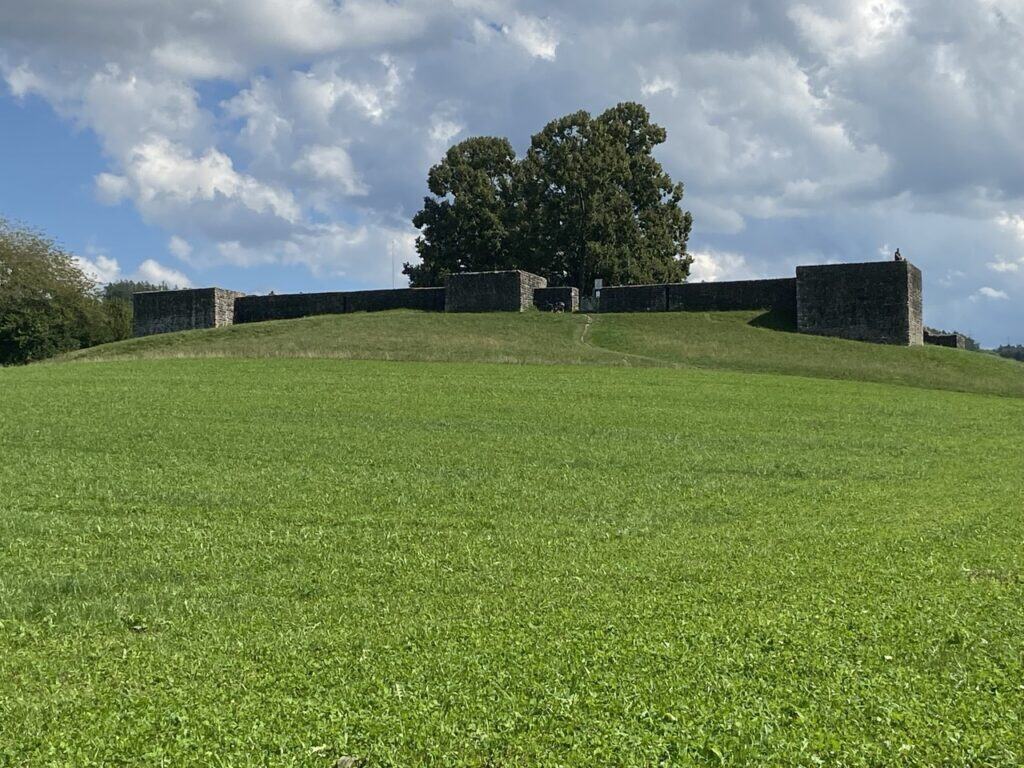
For me, this place is deeply personal. As a child, the fortress was my playground. I played hide-and-seek among the crumbling stone walls, imagined myself as a Roman legionary, and invented endless stories that blurred the line between history and fantasy. Even today, as an adult, the site still fills me with awe. It’s impossible not to marvel at the craftsmanship, the scale, and the thought that people lived and worked here nearly 1,800 years ago.
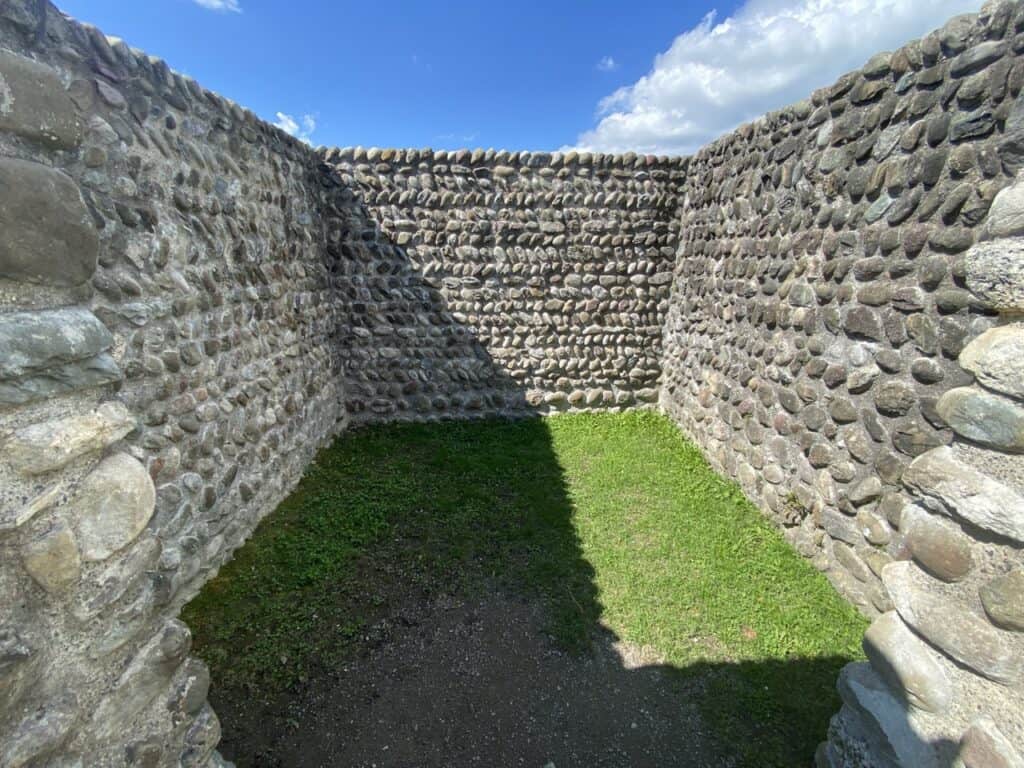
The fortress was also a favorite family gathering spot. Many weekends were spent here grilling together, sharing food and laughter, surrounded by nature and history all at once. The view from up here is stunning — on a clear day, you can see all the way to the Alps, with Lake Pfäffikon shimmering below. It’s one of those places that stays with you long after you leave.
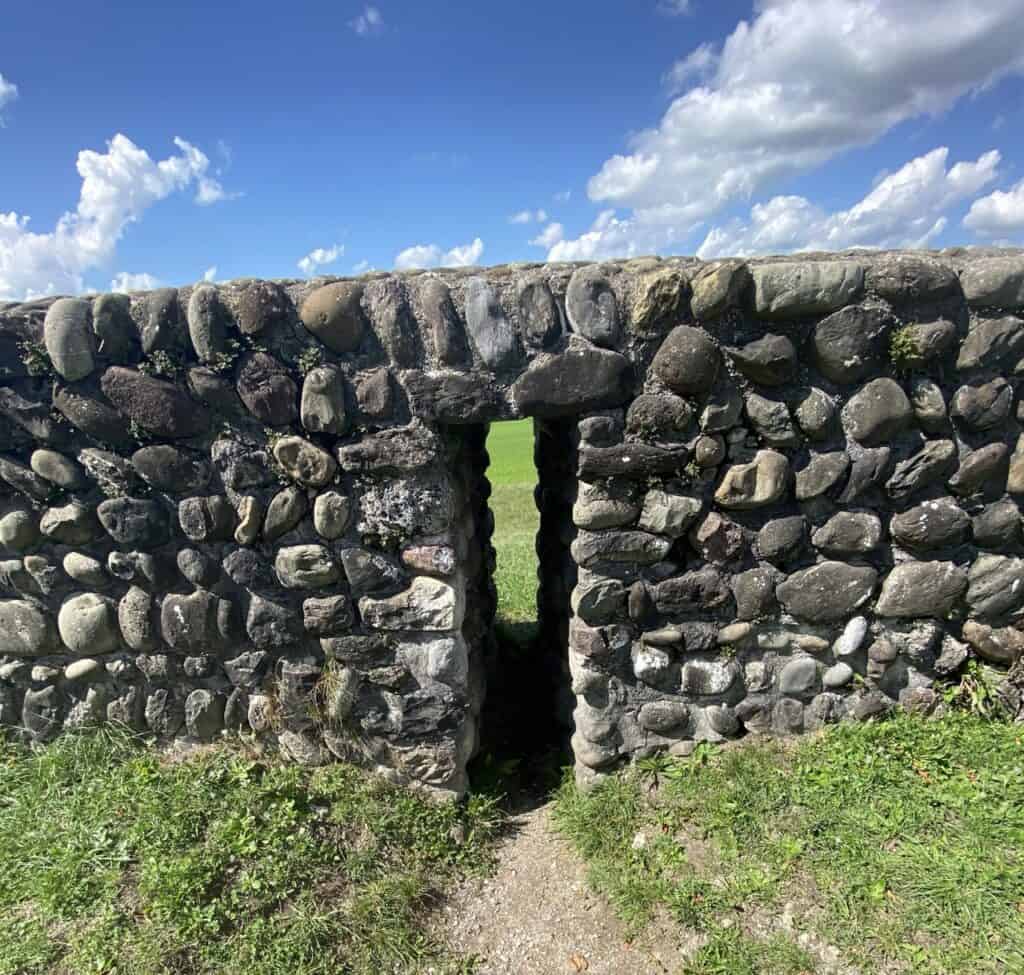
If you’re walking back toward the train station, it’s well worth making a short detour to the Museum am Pfäffikersee, located between the station and the fortress. The small museum displays fascinating archaeological finds from the Roman fortress and nearby prehistoric pile dwellings. It’s open on Sundays from 2 to 5 pm, except during summer and winter breaks — a lovely final stop if you want to deepen your connection to the area’s past.
Planning Your Walk Around Lake Pfäffikon
Best Time to Visit
One of the things I love most about Lake Pfäffikon is that it’s truly a year-round destination. Every season brings its own mood, colors, and little moments of magic.
Spring feels fresh and full of quiet excitement — birds return, flowers bloom along the trail, and the wetlands slowly wake up. Summer is playful and light, with long walks, swims in the lake, and lazy afternoons on grassy shores. Autumn wraps the landscape in warm tones, misty mornings, and that calm, reflective feeling I always associate with slowing down. And winter? Winter is peaceful and almost meditative. Frost-covered fields, crisp air, and — on rare, magical days — a frozen lake that turns the whole area into a fairytale.
No matter when you visit, Lake Pfäffikon has a way of meeting you exactly where you are.
How Much Time Is Needed for the Hike
The circular walk around the lake is about 9 kilometers long and takes roughly 2 to 3 hours at a relaxed pace — longer if you stop often (which I highly recommend). The trail is mostly flat and easy, making it perfect for a gentle hike close to Zurich.
Best Swimming Spots – Summer Days at Lake Pfäffikon
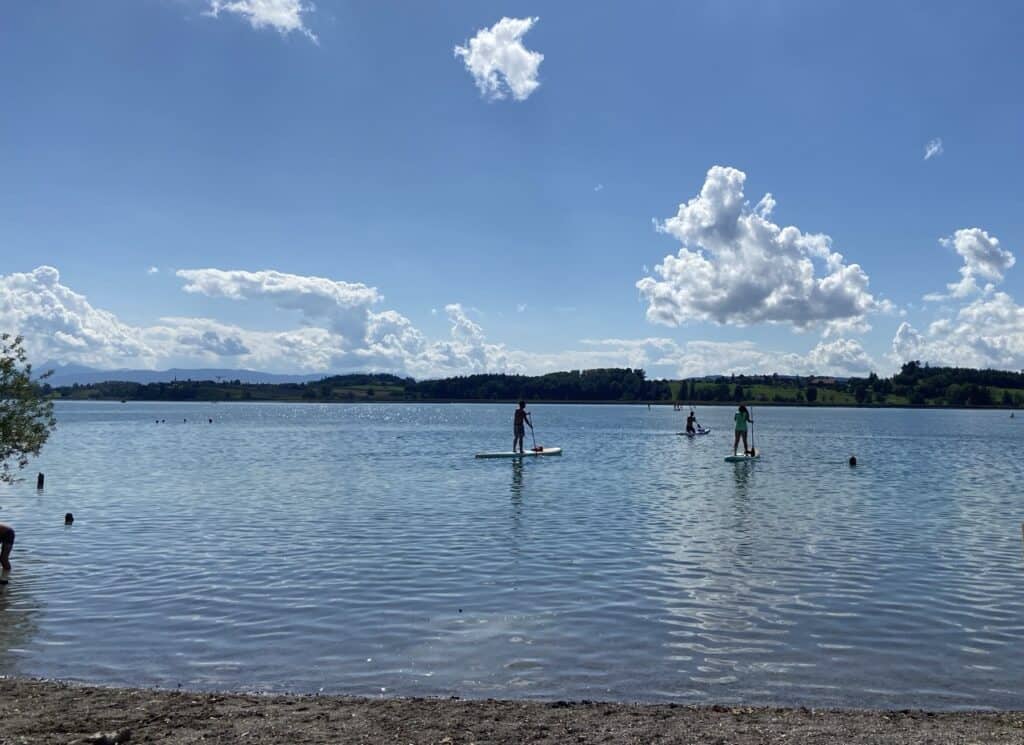
On warm summer days, Lake Pfäffikon transforms into a natural playground — and some of my happiest memories were made right here. I spent countless afternoons swimming with friends, watching frogs hop along the reeds, or floating quietly on the water with a book, letting the world slow down around me.
If you’re visiting in summer, you’ll be happy to know that there are three public bathing areas where you can cool off and enjoy the lake:
- Badi Pfäffikon – right by the village, easy to reach and especially convenient for families.
- Strandbad Auslikon – a more tranquil spot with grassy shores and picnic areas, perfect for a relaxed afternoon.
- Badi Seegräben – on the opposite side of the lake, close to the Jucker Farm.
How to Get to Pfäffikon ZH from Zurich
Getting to Lake Pfäffikon couldn’t be easier. From Zurich Main Station, hop on the S-Bahn S3 toward Wetzikon, and you’ll reach Pfäffikon ZH in about 30 minutes. Trains run every 30 minutes and usually depart from platforms 43 or 44, making this an ideal destination even for a spontaneous day trip or a slow morning escape.
Just a small but important note: Switzerland has two Pfäffikons. For this walk, you’ll want Pfäffikon ZH (in the Zurich Highlands), not Pfäffikon SZ by Lake Zurich — so double-check the “ZH” when you get on the train.
Once you arrive at Pfäffikon ZH train station, it’s only a short walk to the lakeside promenade — and that’s where your adventure begins.
No car, no stress, just step off the train and into nature.
How to Walk and Protect This Special Place
Lake Pfäffikon isn’t just beautiful — it’s also a sensitive and protected nature reserve. To make sure its rare habitats and wildlife can thrive for generations to come (and that we can all continue enjoying it), the area needs to be treated with care and respect.
I always like to think of myself as a guest here, moving gently through someone else’s home.
A few simple guidelines help make a big difference:
On land
- Stay on the official walking paths.
- Keep dogs on a leash.
- Use marked cycling paths only.
- Campfires and camping are allowed only in designated areas.
- No drones, please.
- Take all your rubbish with you.
- Don’t disturb wildlife or pick plants.
- Never release animals or plants into the area.
On the water
- Avoid protected lake zones, marked by yellow buoys.
- Keep at least 25 meters distance from shoreline vegetation.
- Enter and exit the water only at official access points (bathing areas, harbors, and designated entry spots).
- Boarding or landing at fishing and observation platforms is not allowed.
Following these rules isn’t about restriction — it’s about preserving the quiet magic of this place so it can remain just as special for others, too.
Why Lake Pfäffikon Belongs on Your Zurich Day-Trip List
Lake Pfäffikon has always been part of my story — from childhood days chasing frogs and inventing adventures at the Roman fortress, to peaceful winter walks through frost-covered landscapes. But beyond my personal memories, it’s also a true hidden gem for visitors to Zurich.
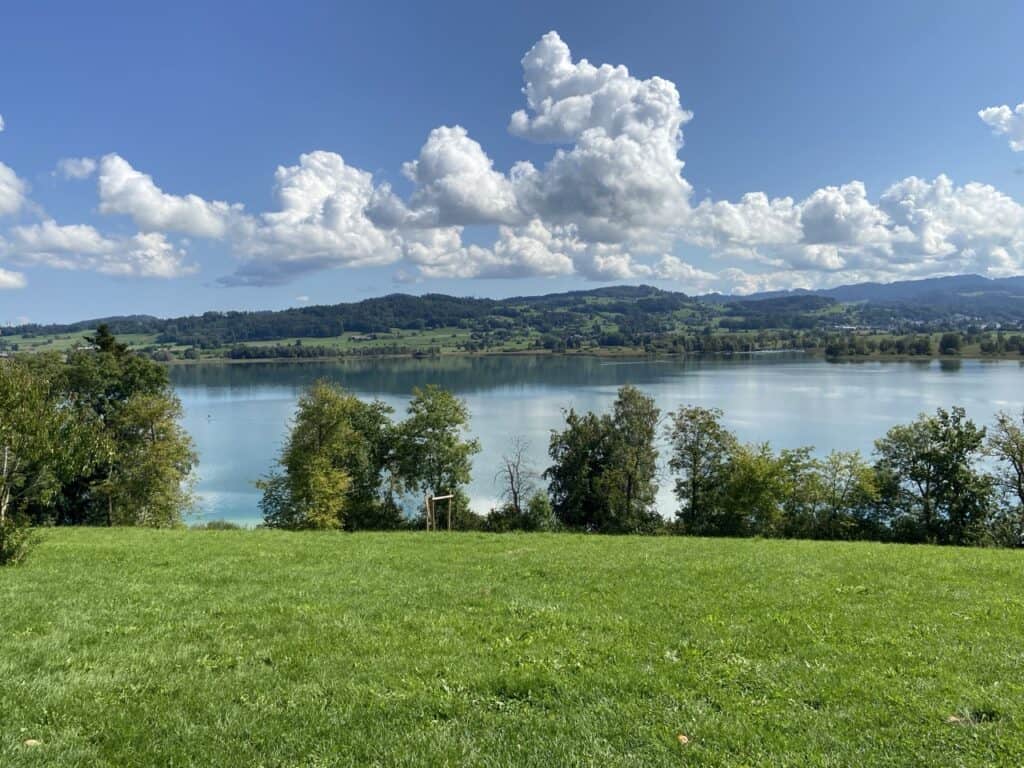
Here, you’ll find a rare mix of nature, history, gentle adventure, and simplicity — all just 30 minutes from the city. No crowds, no rush, just space to breathe, walk, swim, reflect, and reconnect.
Whether you come for a full lake loop, a swim on a summer afternoon, or a quiet winter stroll, Lake Pfäffikon invites you to slow down and experience Switzerland in a more mindful, local way.
And sometimes, that’s exactly the kind of journey we need most need!
Ready for Your Next Day Trip from Zurich?
Now that you’ve discovered the quiet magic of Lake Pfäffikon, you might be feeling inspired to explore even more of the hidden gems just a short train ride from Zurich. There’s so much to see and do — from discovering the charm of the medieval Kyburg Castle, strolling across the wooden bridge in Rapperswil, marveling at the powerful Rhine Falls, to conquering the Bachtel Mountain and enjoying panoramic views on the Uetliberg Planet Trail to Felsenegg. Each of these day trips is easy to reach, full of stories, and perfect for anyone looking to combine a little adventure, nature, and local history.
Whether you’re walking along lakes, climbing to viewpoints, or wandering medieval streets, these trips remind me that even close to Zurich, there’s a world of discovery waiting just around the corner. Lace up your shoes, hop on the train, and let your next adventure begin!