Did you know that hiking is basically the national pastime in Switzerland? Yep—58% of the Swiss population aged 15 and older regularly hit the trails. That’s nearly 4 million people wandering, choosing hiking boots over treadmills.
With an astonishing 65,000 kilometers of marked trails (that’s enough to wrap around the Earth one and a half times!), Switzerland’s hiking scene is as epic as the landscapes it weaves through. Whether you’re a seasoned mountain goat or a casual stroller, there’s a trail for you.
So lace up your boots—we’re about to dive into everything you need to know about hiking in Switzerland, from trail types and signage to safety tips and handy planning tools.
Decoding the Swiss Hiking Trail System
Switzerland takes hiking seriously. So seriously, in fact, there are about 50,000 trail signposts across the country—and maintaining them is a labor of love handled mostly by volunteers from local hiking associations.
To help you navigate this outdoor paradise, trails are classified by difficulty using a color-coded system:
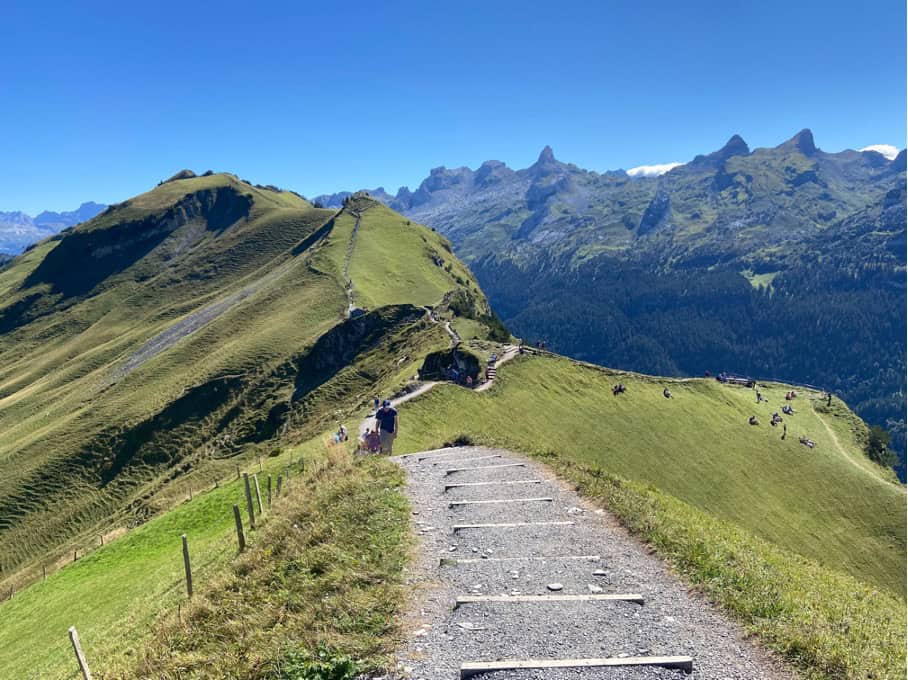
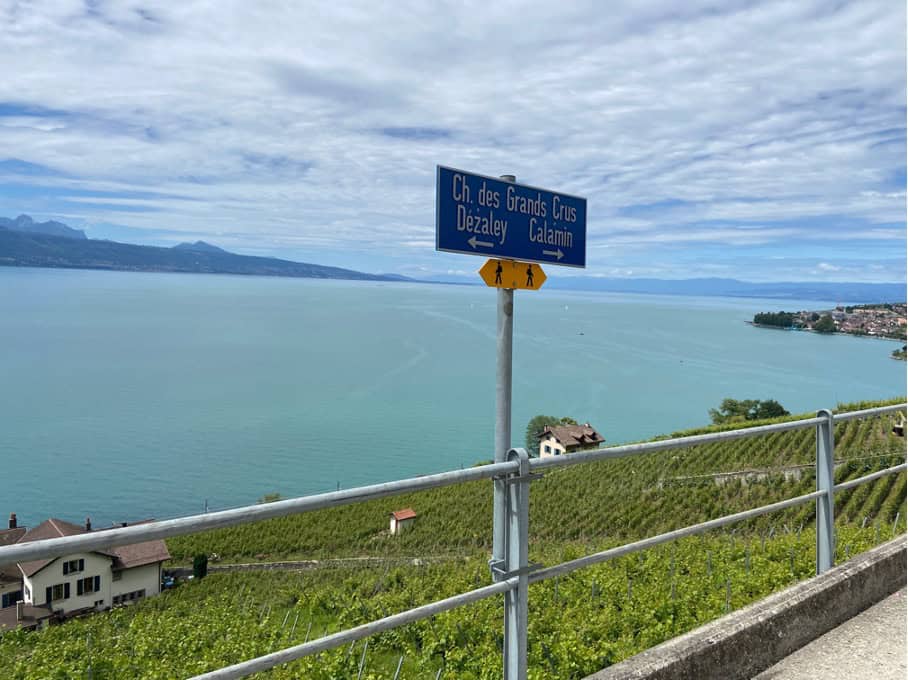
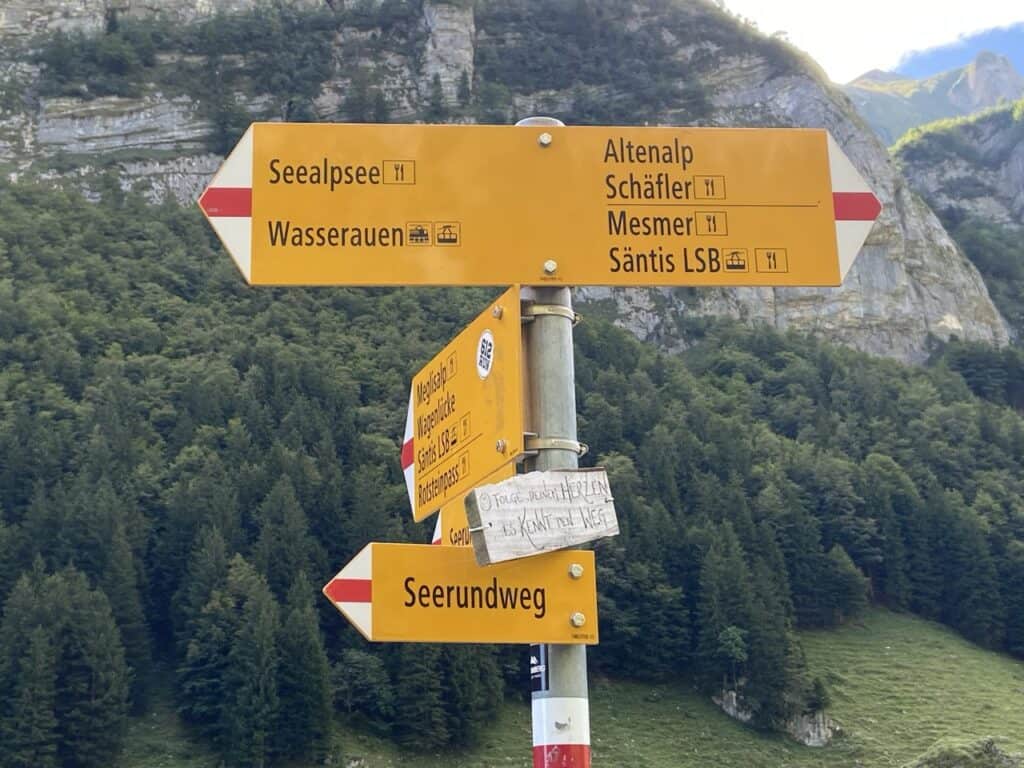
Yellow Signs = Regular Hiking Trails
Mostly wide and well-maintained paths, though they can be narrow and uneven at times. No major experience needed—just common sense, decent footwear, and maybe a walking stick for flair.
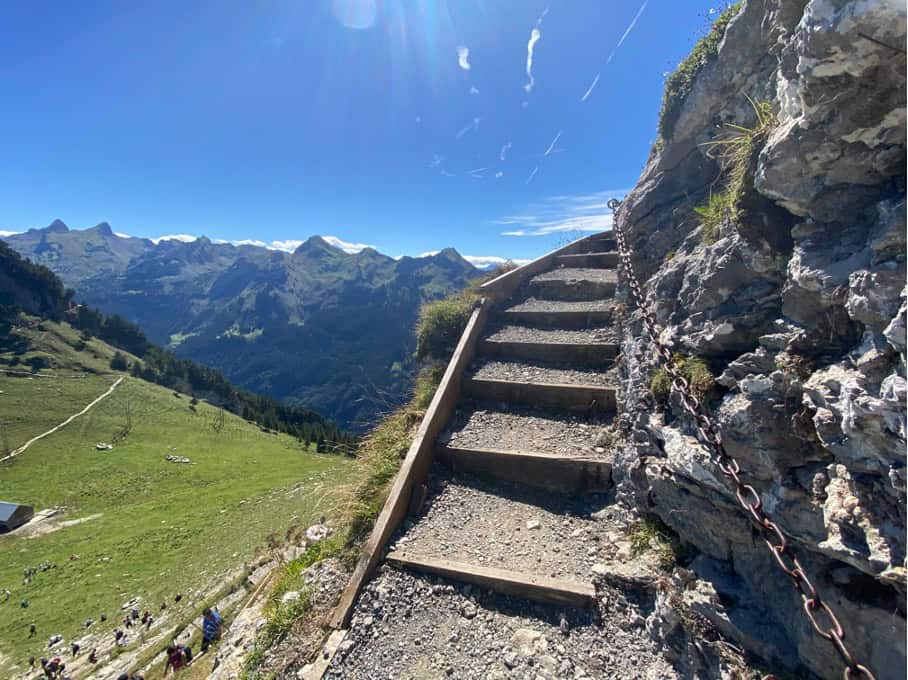
White-Red-White = Mountain Hiking Trails
Things get steeper, narrower, and more exposed here. You’ll need to be surefooted and decently fit. Ropes or chains may be installed in tricky areas.
White-Blue-White = Alpine Hiking Trails
These trails don’t mess around. They may lead over glaciers, snowfields, and scree slopes. You could find yourself doing some light climbing. You’ll need alpine gear, excellent fitness, and a solid dose of courage (and common sense).
Winter Hiking Trails and Snowshoe Routes
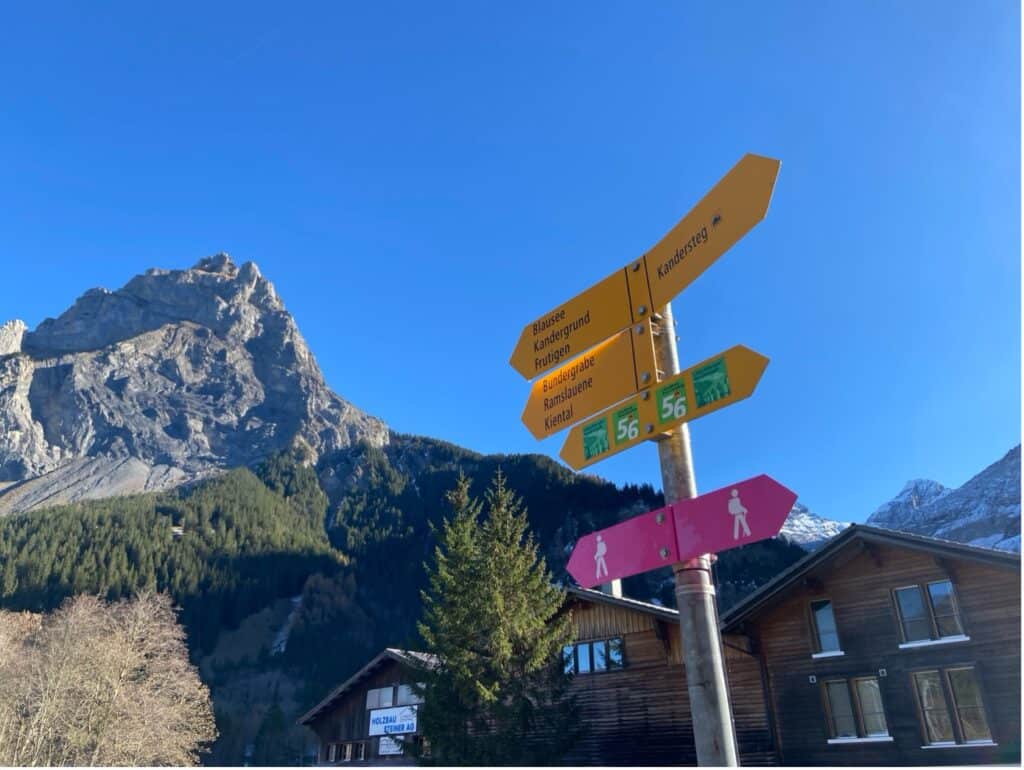
Winter hikes follow trails similar in technical difficulty to regular yellow-marked hiking trails but are marked in pink and require special caution and snow-ready footwear. Snowshoe routes come with their own rating system—blue (easy), red (medium), and black (hard).
Green Stickers on Yellow Signs
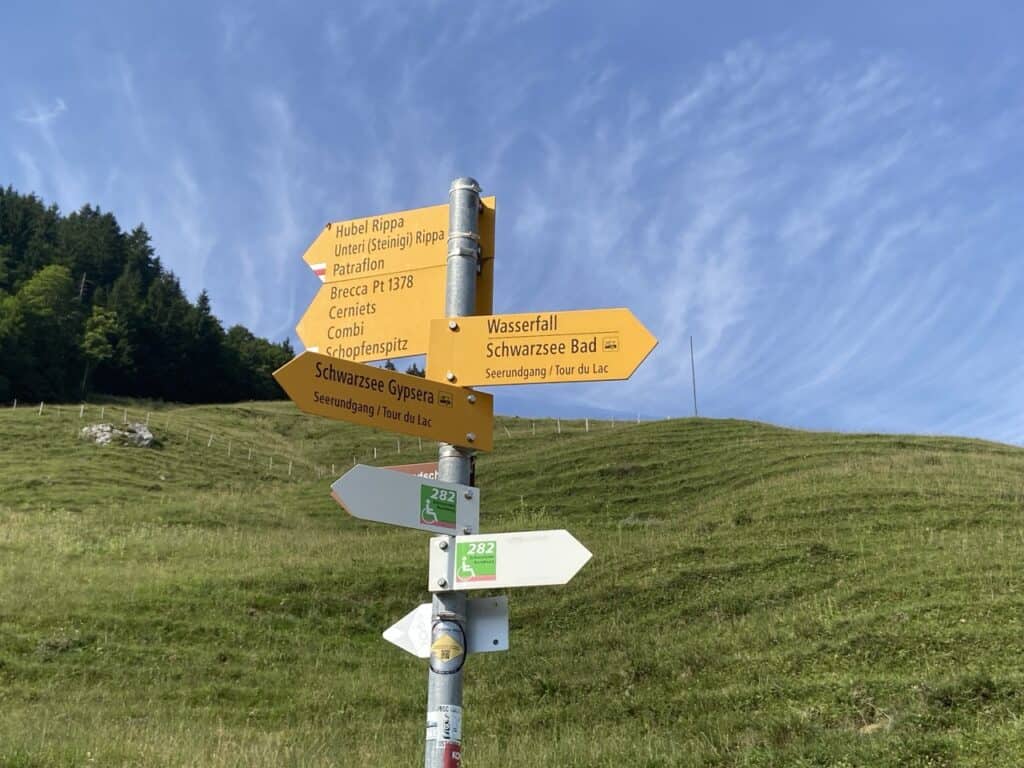
Oh, and don’t be surprised if you see a green sticker on a yellow sign. That means it’s part of the “Hiking in Switzerland” label—some of the country’s most scenic and attractive routes. 1 digit stands for national, 2 for regional, and 3 for local routes. You’ll see them highlighted on www.switzerlandmobility.ch, a fantastic resource if your’re planning your route.
How to Pick Your Hike (When You’ve Got 65,000 km to Choose From)
With a trail network this massive, picking just one hike can feel like trying to pick your favorite chocolate in a Swiss confiserie—overwhelming, in the best way.
But don’t worry. These tools and sites will make your planning a breeze:
SchweizMobil
Your ultimate hike planner. SchweizMobil lets you explore over 386 national, regional, and local routes. Their app shows your location and keeps you on the trail (because even with 50,000 signs, it can happen). You can filter by region, difficulty, or interest, and each trail comes with a detailed breakdown.
Nature Parks
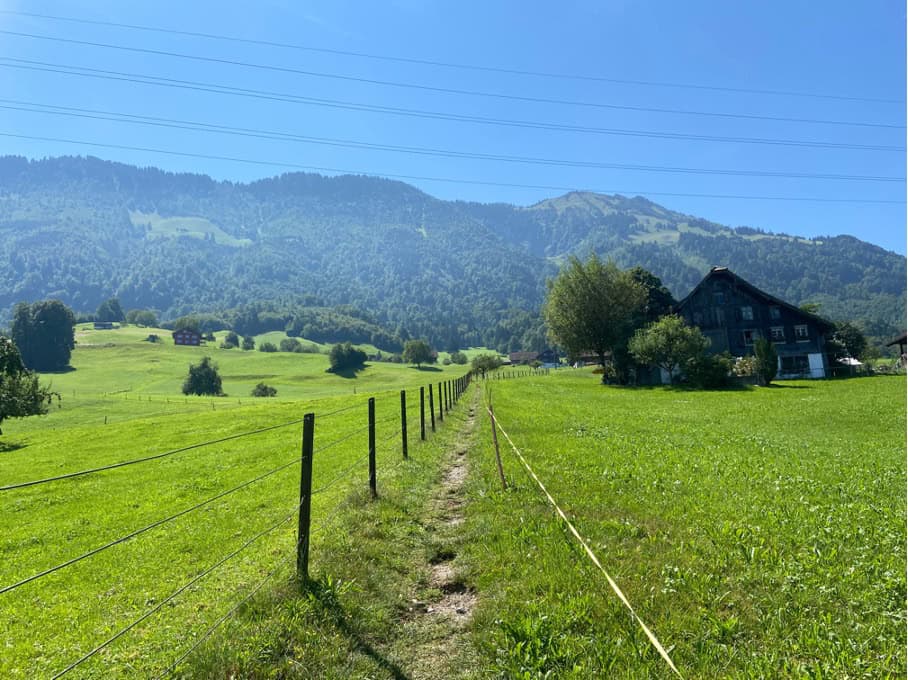
Switzerland has one official national park—but 19 gorgeous nature parks! These areas are bursting with stunning scenery and peaceful hiking options. You’ll find them mostly in the Alps, the pre-Alps, and the Jura Mountains.
Wandern.ch
If you speak German, French, or Italian, this is your go-to site. It’s a treasure trove of trail data and tips. (Full disclosure: we used it for this guide!)
MySwitzerland.com
The Swiss tourism board’s site is packed with inspiration, maps, and beautiful trail ideas. A great place to start if you’re still dreaming up your itinerary.
Bonus Tip: Always check with the local tourism board for current trail conditions, hidden gems, and any area-specific updates. They know what’s up.
Hiking Safety: Don’t Be That Tourist
Let’s have the talk—yes, that talk. Mountains are breathtaking, but they can also be dangerous. Every year, hiking accidents lead to over 100 deaths and 30,000 injuries in Switzerland alone. That’s not to scare you—it’s to prepare you. Here’s how to stay safe and still have the time of your life.
These are the mountain hazards to watch for:
Weather
A quick word on mountain weather—it has a mind of its own. Sunshine one moment, thick fog or a surprise thunderstorm the next. Always check the forecast before you head out, and trust your instincts if things start to shift. If you see a dark, heavy cloud rolling in like a slow-motion wave—don’t walk toward it. Turn back or find shelter if you can. Out here, nature leads the dance, and it’s always wiser to follow her rhythm than to push through blindly.
Tripping Hazards
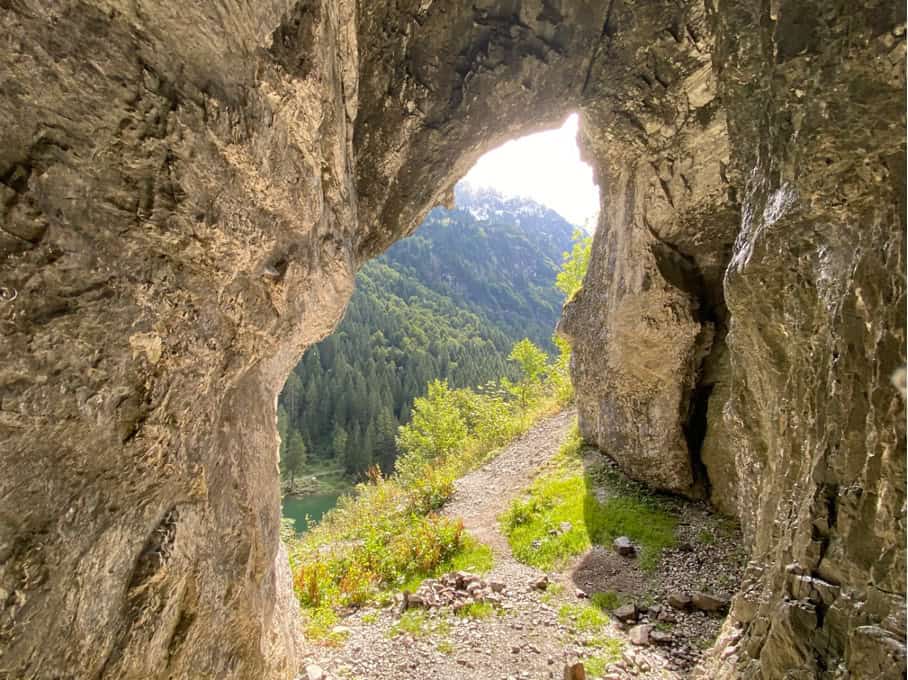
One moment you’re admiring the view, the next you’re face-first in gravel. Watch your step and stay on marked trails.
Hypothermia
The Alps can get cold, even in summer. Always bring a thermal blanket, extra clothes, and a sense of caution. If you’re injured and stuck, body heat disappears quickly.
Dehydration and Exhaustion
Let’s be real—you’re probably going to sweat. Maybe a lot. So make sure you’re staying hydrated, even if you don’t feel super thirsty in the moment. Sip regularly, not just when you’re gasping. And don’t forget to listen to your body. Take breaks now and then, breathe, and check in with yourself. Sometimes you don’t realize how tired you are until you actually stop moving—and that moment you sit down? It hits you. Better to pace yourself than to crash mid-trail.
Cows (No, Seriously?)
Okay, you might be chuckling—but yes, cows can be a real danger, especially if you accidentally get between a mama and her calf. As a general rule, if you’re crossing a pasture with cows, give them space. Don’t approach them, don’t pet them, and definitely don’t try to shoo them along.
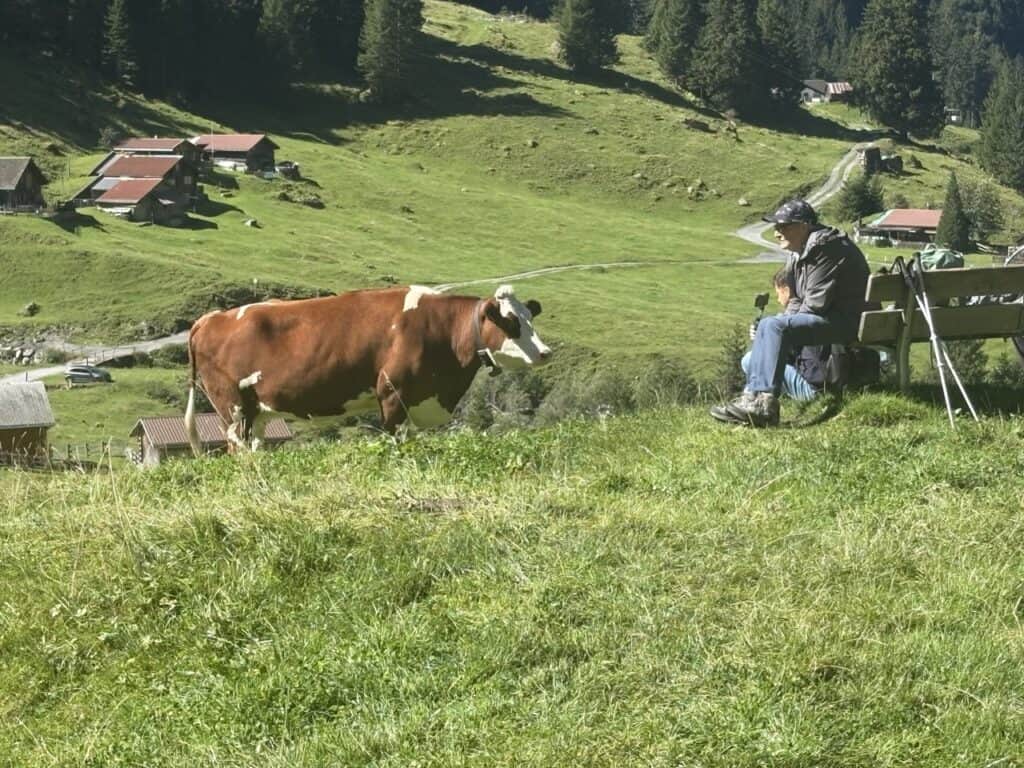
Just move calmly and quietly past them, and let them do their cow thing. Most of the time, they’ll barely glance your way—but it’s always best to respect their space and energy.
Wild Animals
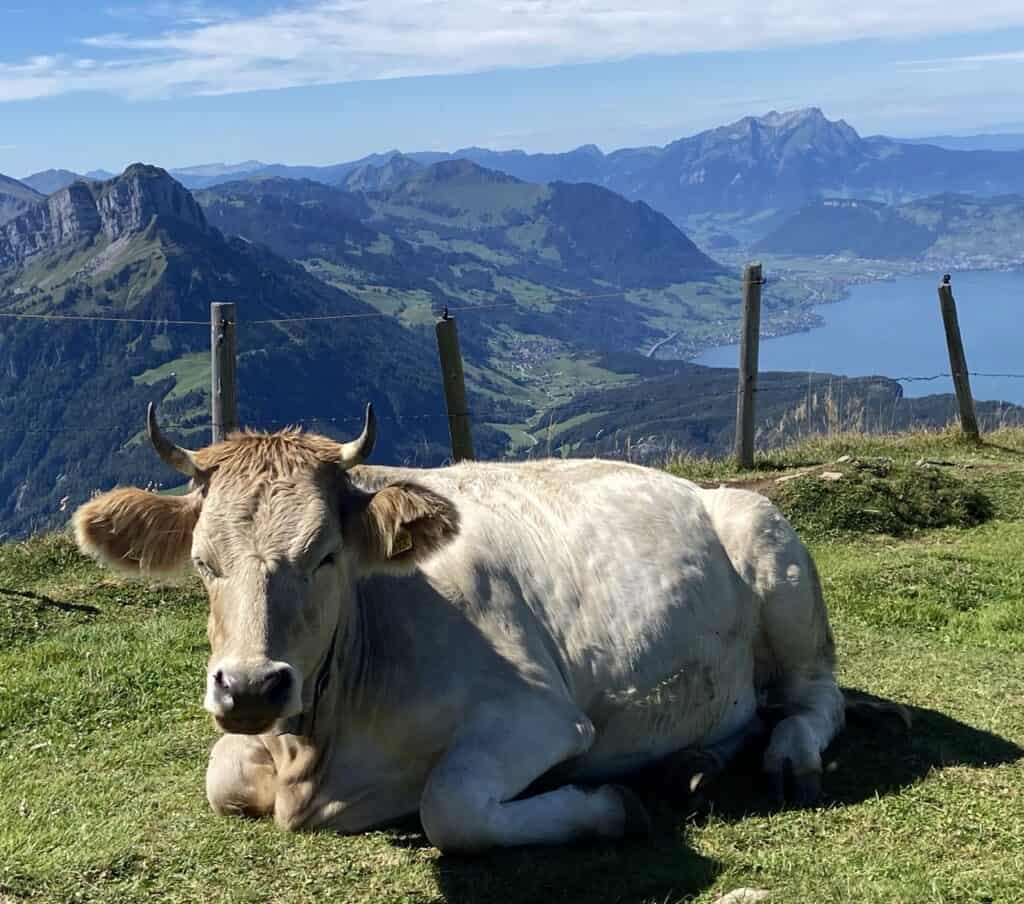
Switzerland isn’t exactly teeming with creatures that want to eat you—but hey, nature has its surprises. Every now and then, a wolf or bear might be spotted roaming the Alps. If you’re lucky (or unlucky?) enough to cross paths with one, stand still and speak calmly so it knows you’re there. Most of the time, they’ll just move on. But please—don’t approach them. I know, it sounds like common sense, but people still do wild things for that perfect photo. Rule of thumb: if it’s wild, let it stay wild.
And while we’re on the topic of wildlife—yes, Switzerland does have snakes. We’ve got five native species, and two of them are venomous: the asp viper (Vipera aspis) and the common European adder (Vipera berus), also known as the adder. Now before you panic—they’re shy, not aggressive, and bites are rare. But it’s good to know where they hang out. The asp viper is fairly widespread and can be found in Western Switzerland, the Central Alps, Bernese Oberland, Valais, and Ticino. The adder also lives in the Bernese Oberland, but is more commonly seen in Eastern Switzerland, particularly in Toggenburg, Glarus, and the Engadin region.
To play it safe, just stick to marked trails, wear proper hiking shoes, and keep your eyes open, especially in sunny rocky spots or tall grass. And if you do spot a snake—don’t worry. Just give it a little space and it’ll likely slither away without a fuss.
Ready to Hit the Trails?
Now that you know what to look out for on Swiss hiking trails — from signposts to trail markings, and the little details that keep your adventure safe and enjoyable — you’re ready to step out and explore. Switzerland’s trails are waiting, and with this guide in hand, you can walk with confidence, curiosity, and a sense of calm, knowing what each path has to offer.
If you’re looking for some gentle inspiration to get started, why not try one of these beautiful hikes I’ve explored myself?
- Lake Pfäffikon Circular Hike – a peaceful lakeside walk perfect for a relaxing day trip.
- Blausee Hike – a relaxing walk from Kandersteg to the crystal clear Blausee mountain lake.
- Lavaux Vineyard Hike – strolling through UNESCO-listed terraced vineyards with breathtaking views.
- Stockhorn Hike – a mountain adventure including a hike from the summit down to the beautiful Hinterstockensee, a mountain lake in Switzerland.
- Fürenalp Hike – gentle alpine meadows and a quiet trail to energize yourself.
- Gletscherseeli Hike – a family-friendly trail to a sparkling glacial lake.
Each of these hikes is a chance to put your newfound trail knowledge into practice — to follow the signs, enjoy the scenery, and discover the kind of quiet moments and small adventures that make hiking in Switzerland so special. Lace up your boots, pack a snack, and let the trails lead you to your next memorable experience.