Let’s address the elephant in the room right away: yes, my beautiful home country is notoriously expensive. I see the look on travelers’ faces when they walk into a local café, order a standard coffee, and realize it costs the same as a light lunch back home. It’s enough to make your wallet want to hide at the bottom of Lake Brienz.
But as someone who lives here and spends almost every day off chasing alpine peaks and swimming in glacier-fed rivers, I’m going to let you in on a little secret: Switzerland does not have to be a budget-killer.
In fact, the absolute best things about this country—the crisp mountain air, the 65,000 kilometers of perfectly marked hiking trails, and the ice-cold, delicious water flowing from our fountains—are 100% free. Nature doesn’t charge an admission fee.
You don’t need a massive bank account to experience the magic of the Alps; you just need to know how the locals navigate the system. From the supermarket hacks that will save your food budget, to the train loopholes that the tourist boards don’t loudly advertise, I’m breaking down exactly how to experience a mindful, adventurous, and genuinely authentic Switzerland without breaking the bank.
Grab a reusable water bottle, pack your favorite hiking boots, and let’s dive into how to do Switzerland on a budget—the local way.
Can You Use Euros in Switzerland? (The Local Currency Reality Check)
Because Switzerland is completely surrounded by countries that use the Euro, one of the most common questions I get from travelers is, “Can I just use my Euros here?”
The short answer is: sometimes, but please don’t!
Our official currency is the Swiss Franc (CHF). Now, if you are at a major train station, an airport, or a souvenir shop in a heavy tourist hub like Interlaken or Zermatt, the cashier will usually accept Euro banknotes. But here is the catch—or what I like to call the “tourist tax.”
They will calculate the conversion at a terrible exchange rate that heavily favors the shop, and by law, they will give you your change back in Swiss Francs. You essentially end up losing money on both sides of the transaction.
The Local Hack: Go Cashless (Mostly)
Honestly, as locals, we barely carry cash anymore. You can pay for almost everything—from a mountain cable car ticket to your morning coffee—with a debit or credit card, or simply by tapping your phone.
If you’re sticking to cities, towns, and the usual tourist attractions, you’ll rarely need cash. A travel-friendly credit card with no foreign transaction fees is usually all you need.
That said, there’s one important exception. If you’re planning to eat in a less touristy mountain restaurant (Bergrestaurant) or spend the night in an alpine guesthouse or hut (SAC hut), it’s worth carrying some Swiss francs. While many huts now accept cards, some are still cash only. Also, if you want to buy some fresh alpine cheese along the way, you’ll have to pay cash.
So my advice? Enjoy the convenience of going cashless most of the time, but tuck a few Swiss banknotes into your backpack before heading into the Alps. Hopefully you won’t need them, but you’ll be glad you have them if your well-earned slice of rösti turns out to be cash only.
Do You Tip in Switzerland? Tipping Etiquette Demystified
Coming from countries where tipping is a major part of a server’s income, many travelers sit down at a Swiss restaurant and feel a wave of anxiety when the bill arrives. Do you leave 15%? 20%? Will the server be upset if you leave nothing?
Take a deep breath and relax. In Switzerland, the short answer is no, tipping is not mandatory.
Here is the local insider knowledge: back in 1974, Switzerland passed a law stating that a service charge must be automatically included in the price of everything you buy. Whether you are ordering a traditional cheese fondue, grabbing a coffee at a cozy café, or riding in a taxi, the price you see on the menu or the meter is exactly what you are expected to pay. Staff are paid a fair, living wage, so they don’t rely on tips to make ends meet.
The Local Nuance: The “Round-Up” Rule
While you never need to calculate percentages, we locals do have a relaxed way of showing appreciation for good service. Instead of tipping 15–20% like in some countries, we usually just round up the bill.
If your coffee and pastry come to CHF 8.20, you might simply round it up to CHF 10.
If dinner comes to CHF 56, paying CHF 60 is a perfectly normal way to say thank you.
If we’ve had an especially lovely meal—perhaps at a nice restaurant with family where the food and service were both very good—I sometimes leave an extra CHF 10–20 depending on how much we consumed. That’s just my personal way of saying thank you, though, and it’s certainly not expected.
Tipping in Switzerland is completely optional, so don’t feel any pressure. Restaurant staff earn fair wages, and good service is already included in the price. Any tip is simply a gesture of appreciation.
I also tend to tip in cash whenever I can because I like knowing the money goes directly to the staff. Whether that’s always the case depends on the restaurant, but it gives me peace of mind.
How to Eat Cheaply in Switzerland
If you sit down at a mid-range Swiss restaurant for lunch or dinner, expect to pay at least 25 to 60 CHF per person for a single main dish and a drink. A single main dish costs roughly 20 to 45 CHF, while a soft drink or beer adds another 5 to 10 CHF. If you do that three times a day, your budget will vanish before your trip even gets off the ground.
The single best way to slash your food costs by 70% is to master the art of the Swiss supermarket picnic 🙂
The Swiss Supermarket Hierarchy
Not all Swiss grocery stores are priced equally. To keep your wallet happy, you need to know where to shop:
Lidl & Aldi Suisse (The Cheapest)
These German discount chains are your absolute holy grail for saving money in Switzerland. In independent tests, Lidl and Aldi consistently clock in as the cheapest supermarkets in the country. They offer incredible prices on everyday staples like bread, eggs, pasta, snacks, and fresh produce.
Migros & Coop (The Standard Giants)
Migros is Switzerland’s largest and most beloved supermarket chain. It is mid-range in price, but here is the golden budget rule: look for the iconic, neon-green M-Budget line. These private-label staples (everything from chocolate to milk) cost up to 50% less than name brands with the exact same quality! Fun quirk: Migros does not sell alcohol or cigarettes due to a century-old health legacy left by its founder.
Pronounced “Co-op” by tourists but “Cope” by locals, this is the other major Swiss giant. Coop has an amazing variety of international foods and great fresh bakeries, but it is generally a bit more expensive than Migros. To save your coins here, look exclusively for their budget line, Prix Garantie (pink packaging), or scope out their massive weekly half-price promotions.
Denner (Great for Discount Brands)
Switzerland’s third-largest supermarket is fantastic for cheap snacks, drinks, and affordable local wines.
Spar and Volg
These are the smaller convenience shops you will run into when you are exploring remote alpine villages. Because they are small and rural, they carry a 10% to 15% price markup over the big supermarkets. Use them for emergency chocolate and snack runs, but do your big hauls elsewhere.
Manor Food & Globus (The Luxury Splurges)
Look, walking into the food hall at Globus or Manor is like walking into a culinary museum—it is beautiful, high-end, and has exotic delicacies from all over the world. But if you are on a budget, treat it like a museum: look, don’t buy! Your bank account will thank you.
The 50% Off Golden Hour
Swiss supermarkets hate wasting food. If you visit a Coop or Migros roughly 1 to 2 hours before closing time, or on Saturday afternoons, look for items with bright orange stickers.
These stickers mark fresh items—like sushi, pre-made salads, sandwiches, and bakery goods—down by 25% to 50%. It is the ultimate budget hack for a cheap dinner.
Download the “Too Good To Go” App
Before you even board your flight, download the Too Good To Go app. This app connects you with local Swiss bakeries, cafes, and grocery stores selling “Surprise Bags” of leftover, perfectly fresh food at the end of the day. You can easily score a massive bag of pastries, sandwiches, or hot meals worth 30 CHF for just 5 to 7 CHF. I love to do this with my local bakery. So far I have never been disappointed.
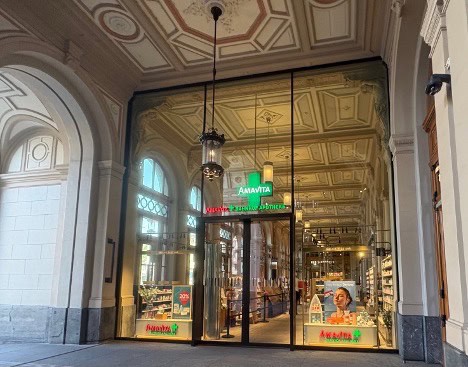
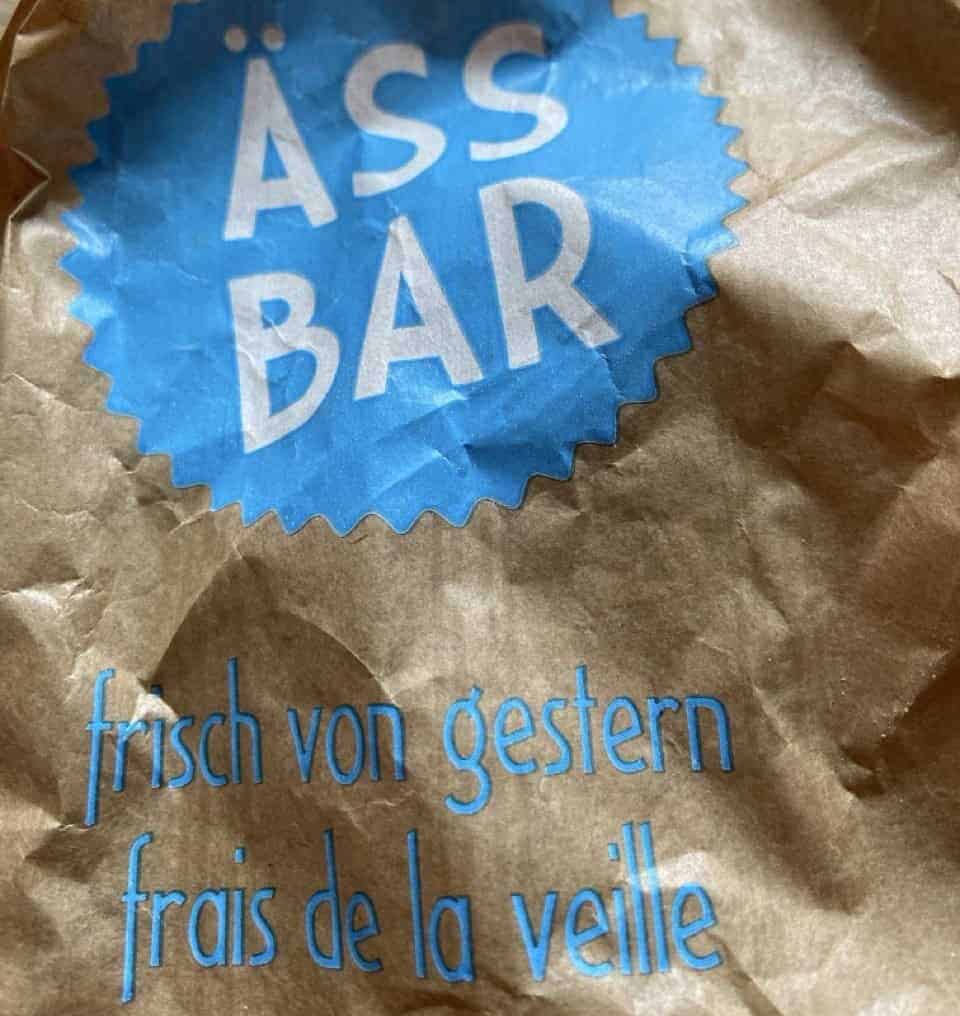
Pick up a Treat at Ässbar
Ässbar is a unique Swiss bakery chain that sells fresh bread, pastries, sandwiches, and other baked goods from the previous day at significantly reduced prices. Instead of letting perfectly good food go to waste, local bakeries deliver their unsold products to Ässbar, where customers can buy them for around 30–70% less than the original price.
The quality is still excellent. Whether you’re looking for a crusty loaf of bread, buttery croissants, sweet pastries, or a quick lunch, you’ll find delicious food at a fraction of the usual Swiss bakery prices.
Money-saving tip: Visit earlier in the day for the best selection, as popular items often sell out quickly.
Stop Buying Bottled Water
A bottle of water at a tourist kiosk can cost up to 4 CHF. Don’t buy it. Switzerland has over 10,000 public water fountains, and roughly 99% of them dispense 100% safe, ice-cold, delicious Alpine spring water. Bring a reusable water bottle, fill it up for free anywhere, and only stop if a fountain specifically says “Kein Trinkwasser” (No drinking water).
Look for the Tagesteller (Daily Lunch Menu)
Let’s be real—sometimes you just want a warm, sit-down meal without having to wash the dishes in an Airbnb kitchen. Eating out in Switzerland is pricey, with a basic dinner easily costing CHF 25 to CHF 40 per person. But here is the ultimate insider hack: always eat out at lunchtime instead of dinner.
Between 11:30 AM and 2:00 PM from Monday to Friday, almost every local Swiss restaurant offers a Tagesteller (Daily Menu) or Plat du Jour. This is a fixed lunch special that usually includes a hearty main course, a side soup or salad, and sometimes even a dessert—all bundled together at a fraction of the normal à la carte price and usually ranging between CHF 18-25.
Migros, Coop & Manor Restaurants: A Local Favourite
If you ask me where locals go for a good-value lunch, Migros Restaurant, Coop Restaurant, and the restaurants inside Manor department stores are right near the top of the list.
Don’t let the department store location fool you. The food is freshly prepared, the portions are generous, and you’ll usually find everything from Swiss classics and pasta dishes to curries, salads, and vegetarian options.
They’re incredibly popular with locals and a fantastic choice if you’re looking for a cheap lunch in Switzerland. Expect to pay around CHF 12–20 for a satisfying meal.
University Mensas: One of Switzerland’s Best-Kept Budget Secrets
Here’s one that many visitors don’t know about.
Almost every Swiss university has a Mensa (student cafeteria), and most are open to the public. While students receive the biggest discount, visitors can also eat there by paying the slightly higher external guest price.
Even so, it’s one of the best places to find budget restaurants in Switzerland, with hearty, freshly prepared meals usually costing between CHF 11 and CHF 16.
If you’re visiting Zurich, I especially recommend the ETH Polyterrasse Mensa. Not only is the food excellent, but the terrace offers one of my favorite panoramic views over the rooftops of Zurich. The cafeteria in the Botanical Garden is also a great location. For more options, check out this website.
The SBB Staff Restaurant Most Tourists Never Find
Here’s another little local secret.
Some SBB staff restaurants are also open to the public, even though they’re primarily designed for railway employees.
One of the best-known is Chez SBB (Restaurant Oase), tucked away on the upper floor of Zurich Main Station. While many travellers downstairs are paying well over CHF 30 for lunch, you can enjoy freshly prepared daily specials, international dishes, or help yourself to a generous salad and soup buffet for around CHF 15–18.
Kebab Shops: The Ultimate Filling Budget Meal
If you’re after something quick, delicious, and filling, head to one of Switzerland’s many kebab shops.
You’ll find them near almost every train station, and a generously filled dürüm or kebab usually costs around CHF 11–14. After a long day hiking or exploring, it’s hard to beat. Vegetarian Falafel versions are also available.
Massive Asian Fusion Bowls Under CHF 18
If you’re looking for a hearty, budget-friendly meal in Switzerland, Rice Up is an absolute lifesaver. This vibrant, fast-casual chain features a “mix-it-your-way” concept where you can customize massive, nutrient-dense Asian fusion bowls with your choice of base (like red rice or rice noodles), proteins (including local Swiss-made Planted meat and tofu), fresh veggies, and rich house-made sauces. In a country where eating out can easily drain your wallet, a giant, steaming bowl here costs between CHF 13 and CHF 18—giving you maximum value for your money and enough fuel to keep you exploring all day.
Don’t Skip the Local Bakeries
Finally, don’t overlook Switzerland’s traditional bakeries (Bäckerei).
Instead of heading to an international coffee chain, pop into an independent local bakery. They often sell freshly made sandwiches, pretzel rolls, savoury pastries, and other delicious snacks.
Pair one with a drink from the supermarket and you’ve got yourself a delicious budget lunch to enjoy beside a lake, on a mountain bench, or in one of Switzerland’s beautiful parks—which, if you ask me, is one of the best ways to eat while traveling here.
Transportation Budget Hacks: Navigating Swiss Transit Without the Premium Price
Switzerland boasts one of the most efficient public transportation networks in the world, but it is also famously pricey. If you walk up to a ticket counter on the day of travel, a one-way ticket from Zurich to Interlaken can easily cost over 50 CHF.
Fortunately, the Swiss federal railway system (SBB) has built-in loopholes that can save you a fortune if you know where to look.
Download the SBB Mobile App Immediately
The SBB Mobile app is your most powerful tool for saving money. It is free, available in English, and handles every train, bus, boat, and tram in the country. The app is also where you will find the best hidden discounts.
Hunt for “Supersaver Tickets” (Spartickets)
If you know exactly what day and time you want to travel, you can lock in discounts of up to 70% off standard fares.
- How they work: SBB releases discounted tickets for specific, non-peak train times to fill empty seats.
- The Catch: These tickets are strictly tied to a specific train time. If you miss that exact train, your ticket becomes completely invalid.
- When to buy: They go on sale up to 6 months in advance. The earlier you book via the app, the cheaper they are. Look for the small percentage (%) icon next to the journey time.
Swiss Travel Pass vs. Half-Fare Card: Which Saves You More?
Navigating Switzerland’s pristine transit system doesn’t have to break the bank if you choose the right travel card. For travelers packing their itinerary with daily, long-distance journeys, panoramic trains, and spontaneous city-hopping, the Swiss Travel Pass is the ultimate choice; it offers unlimited travel on trains, buses, and public lake ferries, plus free entry to over 500 museums.
However, if your trip involves staying mostly in one or two regions with fewer long-distance trips, the Half Fare Card is often the smarter budget move. The Half Fare Card costs a flat fee of around CHF 120 and gives you a strict 50% discount on all train, bus, boat, and even most mountain cable car tickets, allowing you to pay-as-you-go for half the price.
For intensive, localized travel in Switzerland, regional passes like the Berner Oberland Pass or Tell-Pass are the most economical choice when covering multiple expensive, high-altitude cable cars. They offer superior value compared to the Swiss Travel Pass for single-region exploration, as they often cover high-altitude lifts for free rather than at a discounted rate. You can find detailed information on these regional passes through local providers.
Claim Your Free “Guest Card” at Check-In
Never pay for local city transit. If you stay overnight in a hotel, hostel, or Airbnb in major tourist hubs (such as Lucerne, Basel, Geneva, Bern, Lugano, Locarno or Interlaken), you are legally entitled to a free local Guest Card (Mobility Ticket).
- What it covers: Unlimited free travel on all local city buses, trams, and sometimes small regional trains for the entire duration of your stay. There are also discounts on cable cars, mountain railways, boats and attractions.
- How to get it: The accommodation will either email it to you digitally or print it out at check-in. Always ask for it if they forget to hand it over.
Upgrade Your Commute to a Scenic Cruise
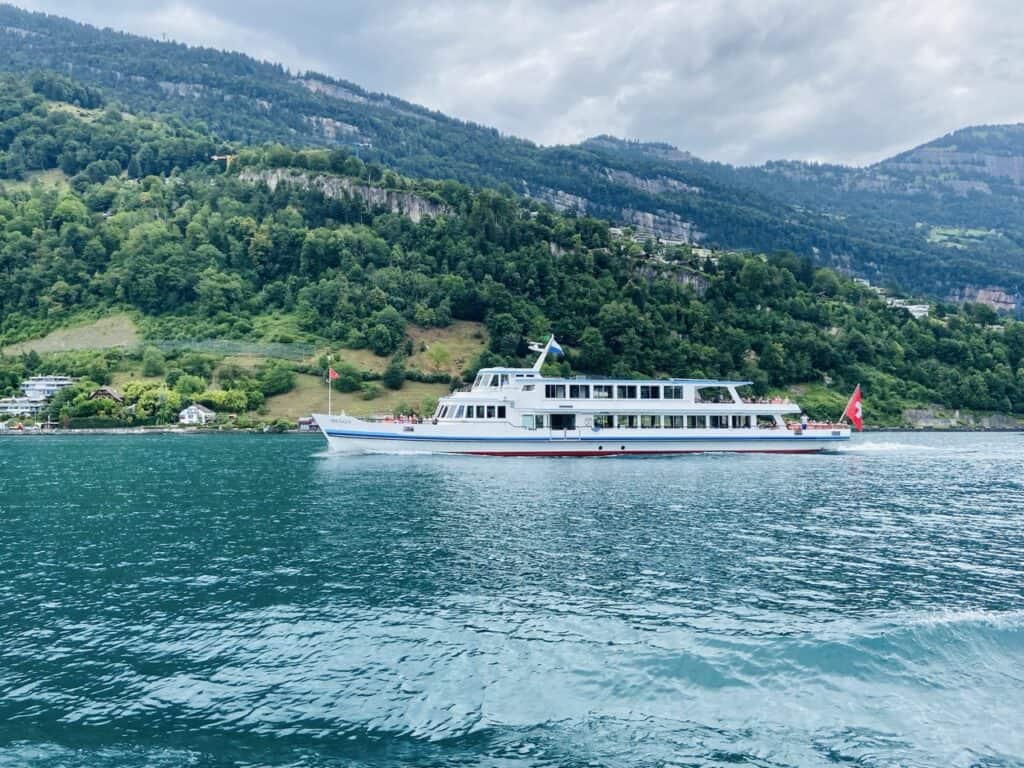
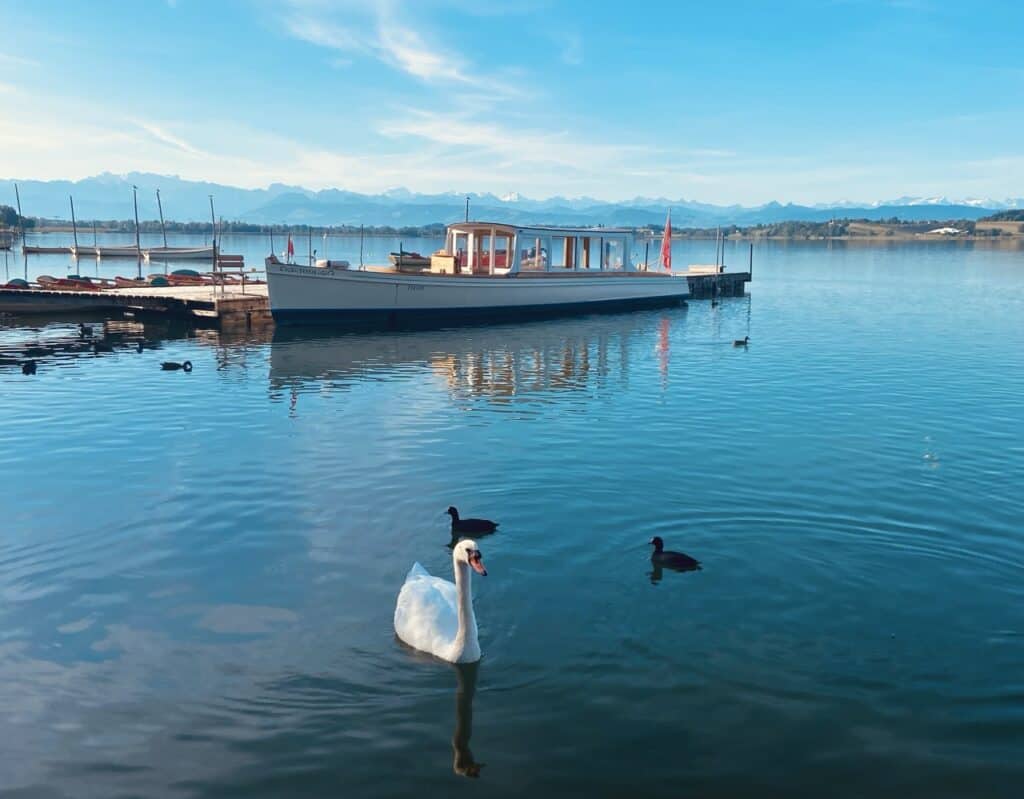
Many tourists spend large sums of money on private, tourist-heavy boat tours. In Switzerland, many lakes (like Lake Thun, Lake Brienz, and Lake Lucerne) have regular passenger ferries run directly by the public transit network.
- The Hack: These ferries are fully covered by the Swiss Travel Pass or eligible for a 50% discount with the Half-Fare Card. You get the exact same stunning Alpine lake views as a commercial cruise for a fraction of the cost.
Free & Low-Cost Experiences: The Best of Switzerland for Zero Francs
It is easy to look at the price of a Swiss mountain gondola ticket (which can easily top 100 CHF) and think that the Swiss Alps are only for the wealthy. But here is the ultimate insider secret: Switzerland’s greatest asset—its jaw-dropping nature—is 100% free.
You do not need to spend a single franc to stand in a field of wildflowers, marvel at a waterfall, or swim in crystal-clear Alpine lakes. Here is how to experience the best of the Swiss outdoors on a zero-dollar budget.
Hike the World’s Best Trail Network
Switzerland has over 65,000 kilometers of perfectly marked hiking trails, and accessing them does not cost a single cent.
- The Markings: Iconic trail signs point the way in every village and trail fork, telling you exactly how many hours and minutes it takes to reach your destination. While standard paths feature solid yellow signs, steeper mountain trails are designated by white-red-white stripes, and alpine routes use white-blue-white markers. To make sure you know how to read these different trail colors and navigate the Alps securely, check out my comprehensive guide on Swiss trail markings and hiking safety.
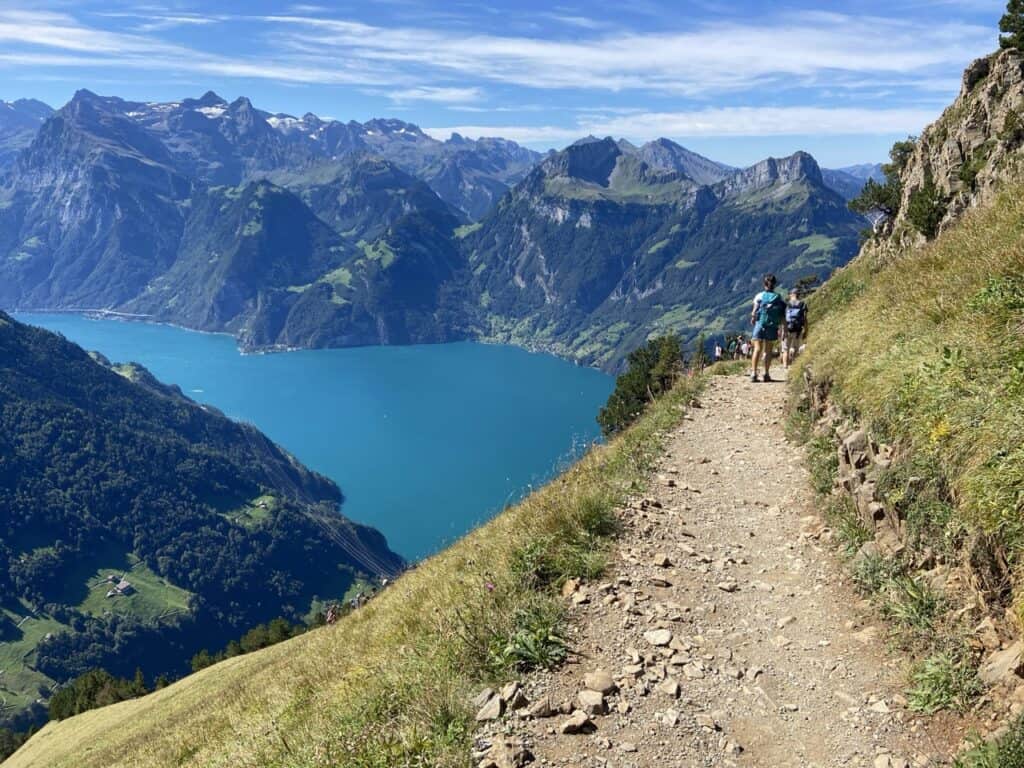
- Budget Hack: Instead of paying for an expensive cable car both up and down a mountain, choose a route where you hike up from a valley floor. Alternatively, take a standard train or post bus to a high-altitude station and hike the downhill portions completely for free.
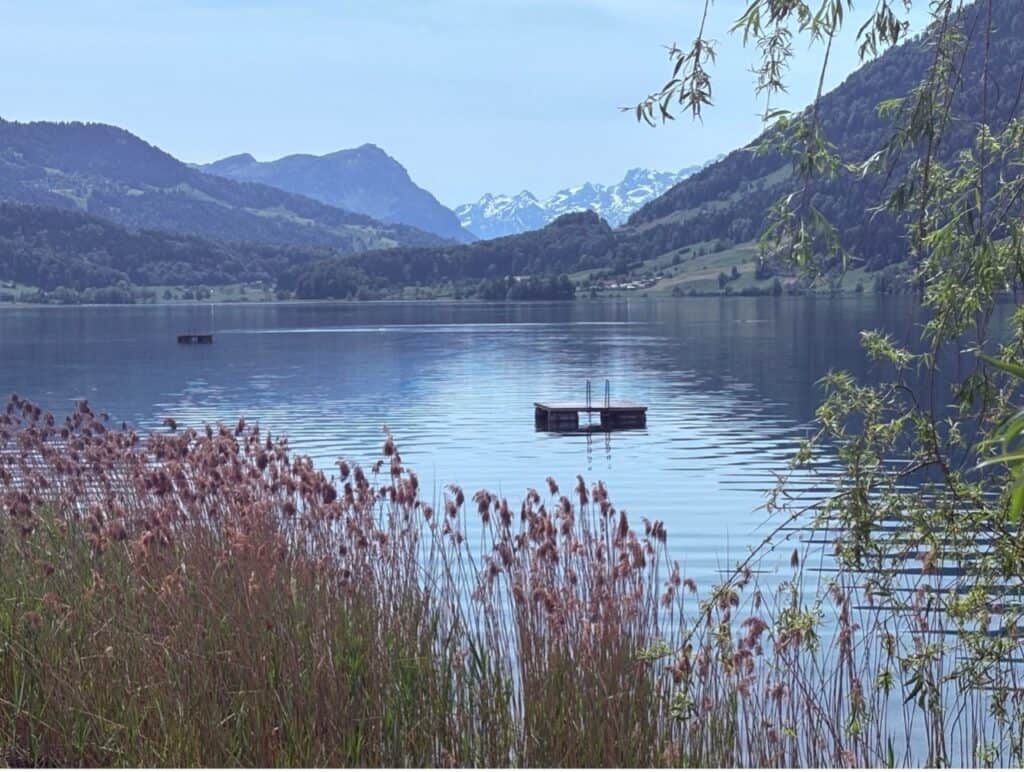
- Top Free Route Ideas: If you are looking for specific trail inspiration, make sure to check out my various blog posts about popular Swiss hikes. For a peaceful, flat trek close to Zürich, I highly recommend reading my guide on the hike around Lake Pfäffikon, which takes you through beautiful nature reserves and reed landscapes. For those heading into the Alps, the classic Lauterbrunnen Valley floor walk is an absolute must—you can stroll past 72 thundering waterfalls, massive cliff faces, and traditional Swiss chalets without spending a dime.
Swim in Crystal-Clear Lakes and Rivers
While many organized, premium public bathing areas (Badis) charge a small entry fee for amenities, free lake access and wild swimming spots can be found all over the country. You do not need to spend money to enjoy Switzerland’s crystal-clear waters; you simply have to look for public lawns (Liegewiese), docks, or stone beaches where you can drop a towel for free.
Here are just a few prime examples of what you can find in major cities:
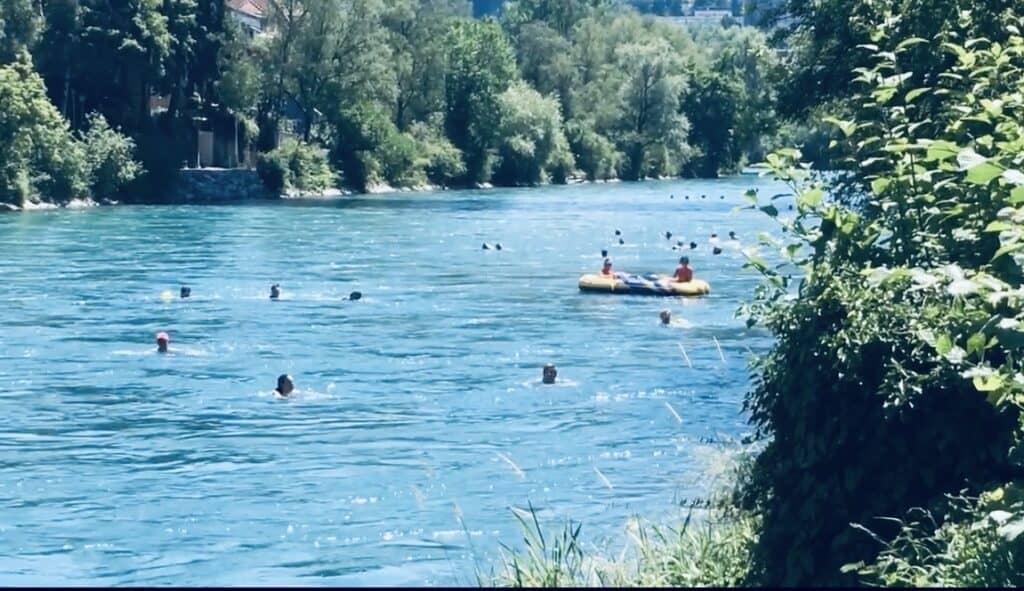
The Marzili Pool & River Float (Bern): Bern offers another incredible free exception. The iconic Freibad Marzili is a massive public outdoor bathing facility located right below the Swiss Parliament building (Bundeshaus). Entry is entirely free, and it serves as the ultimate exit point for locals floating down the cold, clean currents of the Aare River.
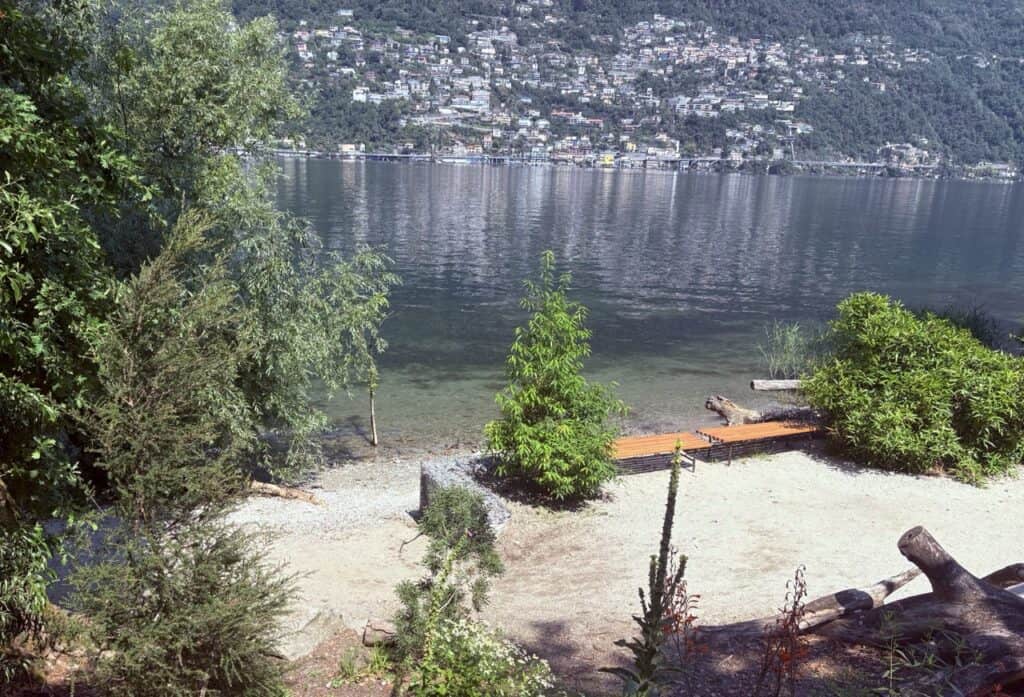
Free Urban Lake Access (Lucerne): Just a short walk from the main train station lies Ufschöttig Luzern, a sprawling, tree-lined lakeside park. It features a massive public lawn, a sandy beach, and incredible mountain views—all completely free to access.
The Letten River Pools (Zürich): In the heart of Zürich, you can experience a legendary local tradition at the Letten badis. Both Flussbad Oberer Letten and Flussbad Unterer Letten offer sunbathing decks, diving platforms, and safe access points to jump into the clean Limmat River to let the current carry you downstream. Entry to both is 100% free of charge, complete with free access to public showers and changing areas.
Explore Castles and Old Towns
You don’t need a museum ticket to experience Switzerland’s rich history.
- Free Old Towns: Wandering through the medieval, UNESCO-listed old town of Bern, exploring the covered wooden bridges of Lucerne, strolling through the Niederdorf in Zurich, or walking the lakeside promenade of Montreux is entirely free.
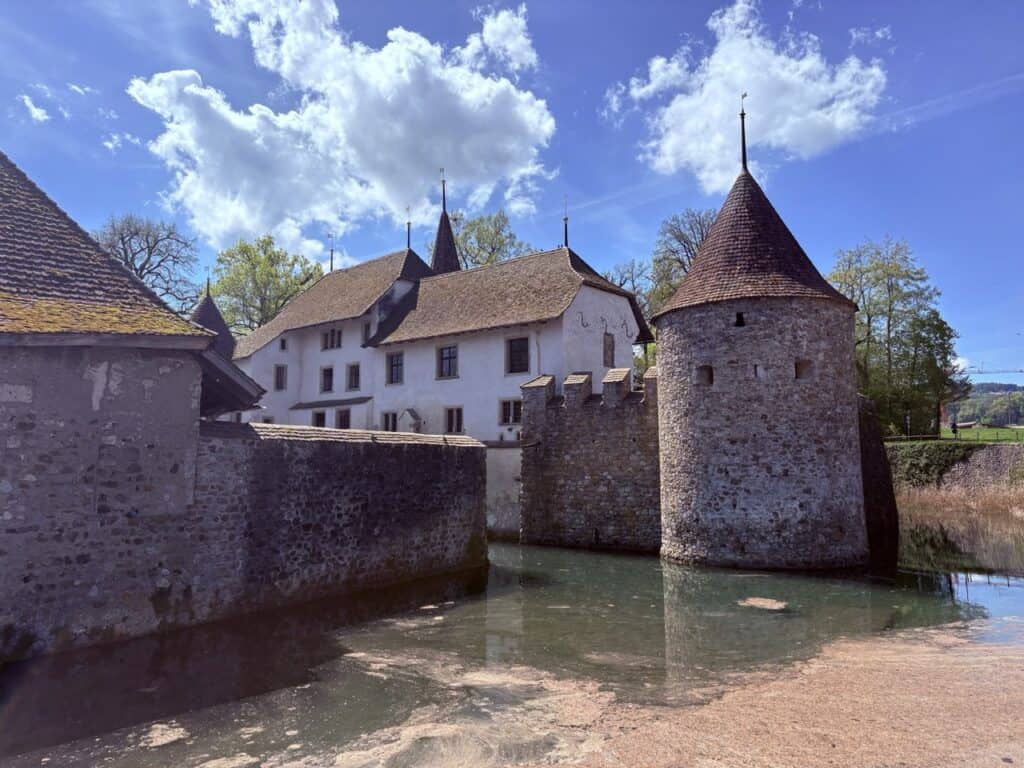
- Castle Grounds: While entering the interior museums of most castles requires a fee, walking around the dramatic grounds of places like Schloss Oberhofen on Lake Thun or the exterior of Chillon Castle costs nothing and offers incredible photo opportunities.
- Free Museum Days: While Swiss museum tickets can be pricey, strategic timing unlocks them for free. For instance, the world-class Kunsthaus Zürich art gallery offers entirely free admission to its permanent collection every Wednesday. If you are visiting Bern, the city opens the doors to its diverse museums completely free of charge on Saturdays every August. Beyond these windows, keep an eye out for incredible public sculptures and open-air art installations scattered across Swiss city centers.
- The Swiss Parliament House (Bern): When the federal legislature is not actively in session (typically during parts of March, June, September, and December), you can join a free one-hour guided tour of the iconic Bundeshaus. This behind-the-scenes look guides you through the grand domed hall, the historic council chambers, and the elegant Wandelhalle (lobby) without spending a dime.
Free Wildlife Parks and Zoos
While commercial city zoos charge high admission fees, Switzerland is packed with heavily subsidized, sprawling wildlife preserves that focus on native Alpine and European animals. These are 100% free to enter:
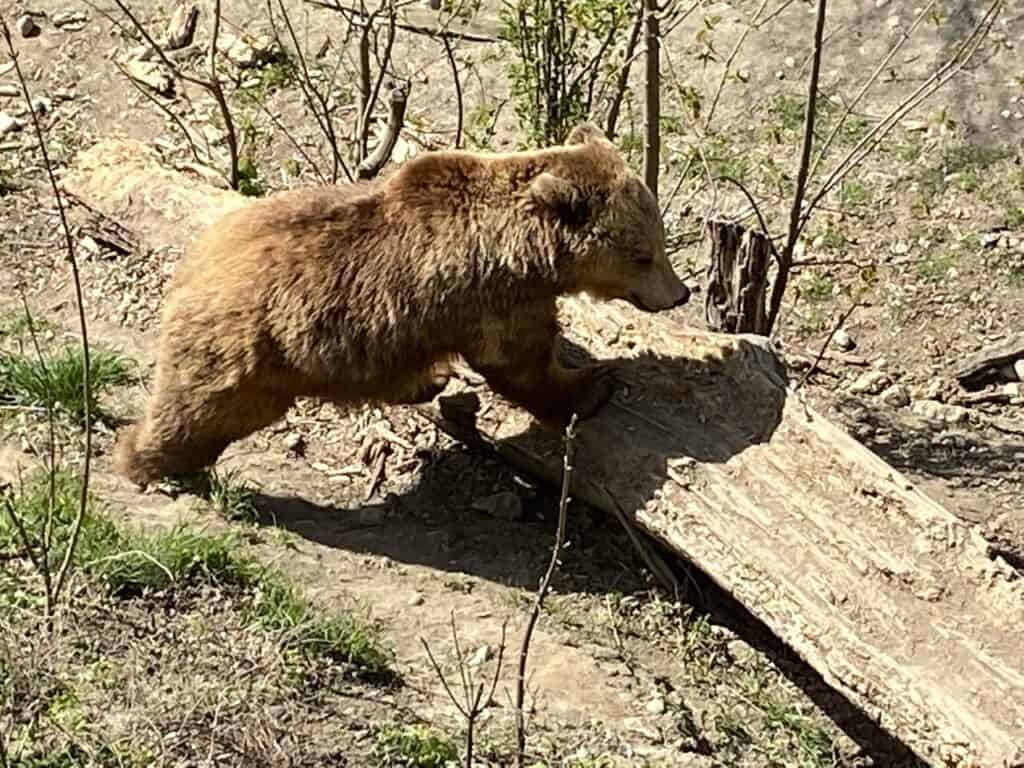
- Bear Park (Bern: Located right on the banks of the Aare River, this 5,000-square-meter natural enclosure lets you watch Bern’s symbolic brown bears climb trees and swim entirely for free.
- Wildpark Peter und Paul (St. Gallen): Perched on a scenic hilltop, this beautiful park is home to virtually all of Switzerland’s native mountain animal species, including majestic Alpine ibex with massive curved horns, chamois, deer, and wildcats.
- Lange Erlen Wildlife Park (Basel): Located in a peaceful forest setting along the Wiese river, this completely free park lets you spot over 80 different types of animals, including native birds, deer, and farm animals.
- Bois du Petit-Château (La Chaux-de-Fonds): A wonderful, free-admission woodland zoo and nature facility where you can observe around 250 different animals, showcasing regional biodiversity.
- Wildnispark Zürich Langenberg (Langnau am Albis): The oldest wildlife park in Switzerland, featuring forested hiking trails where you can spot wolves, brown bears, lynx, and elk in sprawling habitats. (Entry is free; you only pay a fee for the parking lot).
- Tierpark Dählhölzli (Bern): While the inner zoo enclosure requires a paid ticket, a generous portion of the riverside park remains entirely open and free to the public. You can stroll the pathways to see European bison, flamingos, wild goats, and a kid-friendly petting zoo.
- Wildpark Brienz: A small, charming park tucked just above the alpine village of Brienz. You can purchase a CHF 1 box of food pellets from a vending machine to feed the resident red deer and mountain goats by hand.
Botanical Gardens and Green Oases
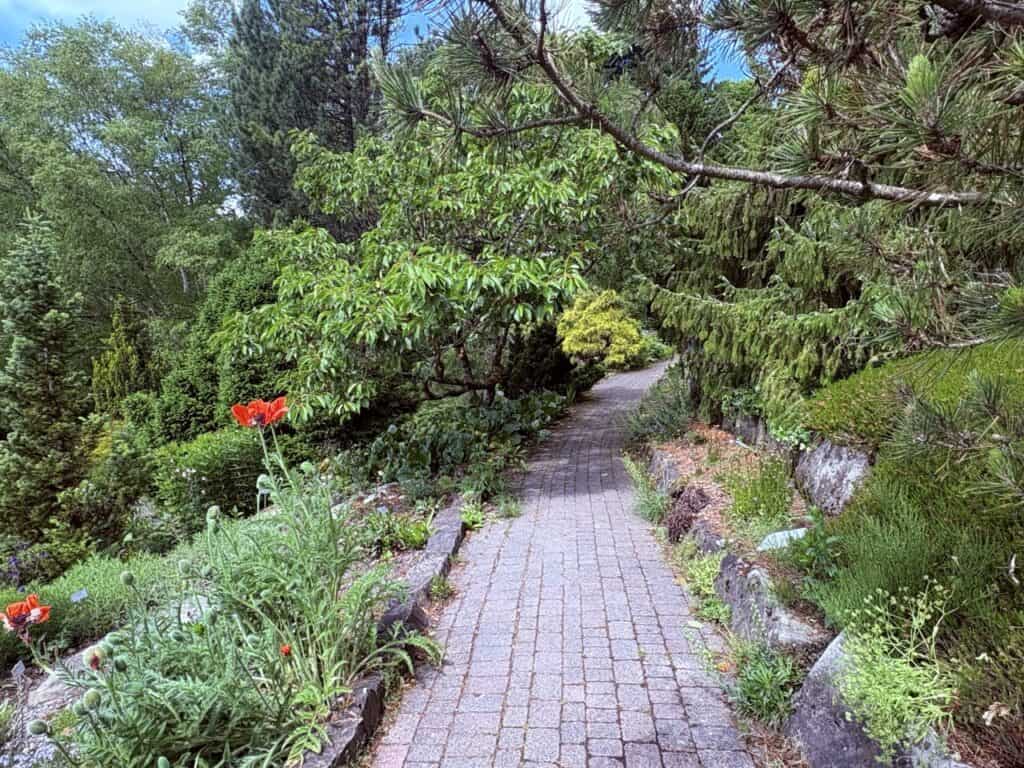
Swiss cities are globally famous for their immaculately maintained public parks and university-run botanical gardens, which feature free entry and premium botanical experiences.
- The Zurich Succulent Plant Collection: Plant lovers cannot miss this spectacular lakeside facility, which houses the largest cactus and succulent collection in the world. It features over 4,500 species from 78 different plant families, all free to explore.
- The Rose Garden (Rosengarten) (Bern): Sitting high on a ridge overlooking the looping Aare River and the medieval Old Town, this park features hundreds of rose varieties and offers the absolute best panoramic sunset views of Bern.
- Lindenhof (Zürich): A historic, elevated oasis shaded by massive trees on the site of an ancient Roman fort. It is a favorite local spot to take in postcard views of the Limmat River or watch giant games of outdoor chess.
- Parc de l’Indépendance (Morges): Nestled right on the shores of Lake Geneva, this public park explodes into a sea of vibrant colors every spring during the famous Tulip Festival, showcasing over 140,000 tulips with zero admission fees.
Free Urban Transit: “Zürich Rollt”
To connect all free city sights without paying for tram tickets, take advantage of the brilliant Züri rollt program. In the city of Zürich, bicycles can be rented entirely free of charge all year round. You simply need to show a valid ID, leave a fully refundable cash deposit of CHF 20, and you can ride around the city for the day for free.
Beat the Crowds: Timing and Location Tips
To get the best value, avoid the high summer season (July and August) and the peak winter ski months (January to March). Instead, plan your trip for the shoulder seasons—like April to May or September to October —when room rates drop significantly. Additionally, swap out expensive tourist hot spots like Interlaken, Zermatt, or Lucerne for neighboring local towns. Because Switzerland’s public transit network is incredibly fast and efficient, staying in a quiet village 15 minutes outside a major hub gets you a much cheaper room without sacrificing convenience.
What Does Accommodation Actually Cost?
Accommodation will swallow most of your budget, so navigating your options from lowest to highest is essential for financial survival. At the baseline, a dorm bed in Switzerland’s immaculate hostel network is the cheapest route at CHF 40–85 per night, while private hostel rooms step up to CHF 90–150. For more space and self-catering kitchens, holiday apartments and Airbnbs average CHF 150–300, closely followed by standard mid-range three-star hotels at CHF 180–300.
However, these baseline averages only apply if you book months in advance. If you search mainstream booking platforms on short notice during the summer or winter high seasons, you will face a brutal last-minute penalty. Available rooms evaporate, and remaining inventory routinely skyrockets by 50% to 100%, pushing basic rooms well past CHF 400.
To beat these extreme price spikes, look for functional budget-chain hotels rather than independent boutique properties. Chains like ibis budget and easyHotel offer ultra-minimalist, clean private rooms starting as low as CHF 65–120 [6782, easyhotel, 120]. If you want a step up in comfort, B&B HOTELS and the stylish Motel One offer excellent value, while MEININGER Hotels provide a brilliant hybrid concept with guest-accessible kitchens where you can cook your own meals to save even more. For the best rates, always anchor your stay in smaller commuter towns just three or four train stops outside major hotspots. Budgeting for Swiss lodging requires realistic expectations, as even budget options are clean, safe, and modern.
Frequently Asked Questions About Budgeting in Switzerland
To wrap up this guide, here are quick, direct answers to the most common questions travelers search on Google when trying to save money in Switzerland.
Is tap water safe to drink in Switzerland?
Yes, Swiss tap water is completely safe, exceptionally clean, and tastes better than bottled water. Over 10,000 public water fountains dispense 100% fresh Alpine spring water for free. Bring a reusable bottle to avoid paying 3 to 4 CHF per bottle at kiosks.
What is the cheapest month to visit Switzerland?
The cheapest times to visit are the shoulder seasons: April to May and October to November. During these months, flights and hotel prices drop significantly because ski resorts have closed and summer hiking hasn’t peaked yet. Be aware that some mountain cable cars close for maintenance during these weeks.
Can you use Euros in Switzerland?
The official currency is the Swiss Franc (CHF). While major train stations, airports, and hotels accept Euros, they will give you a terrible exchange rate and give you your change back in Swiss Francs. It is always cheaper to pay with a zero-fee credit card or withdraw a small amount of CHF cash.
Do I need to tip at Swiss restaurants?
No, tipping is not required. By Swiss law, a 15% service charge is automatically included in the price of your meal, taxi ride, or bar bill. If the service was exceptional, local etiquette is simply to round up the bill to the nearest 5 or 10 CHF.
Is a Swiss Travel Pass worth it if I am on a budget?
If you plan to cover vast distances and take multiple trains every single day, it can save you money. However, if you are staying in one or two regions, buying the Swiss Half-Fare Card combined with Supersaver Tickets via the SBB mobile app is almost always significantly cheaper.